

Asynchronous Transmission
Asynchronous Transmission Definition
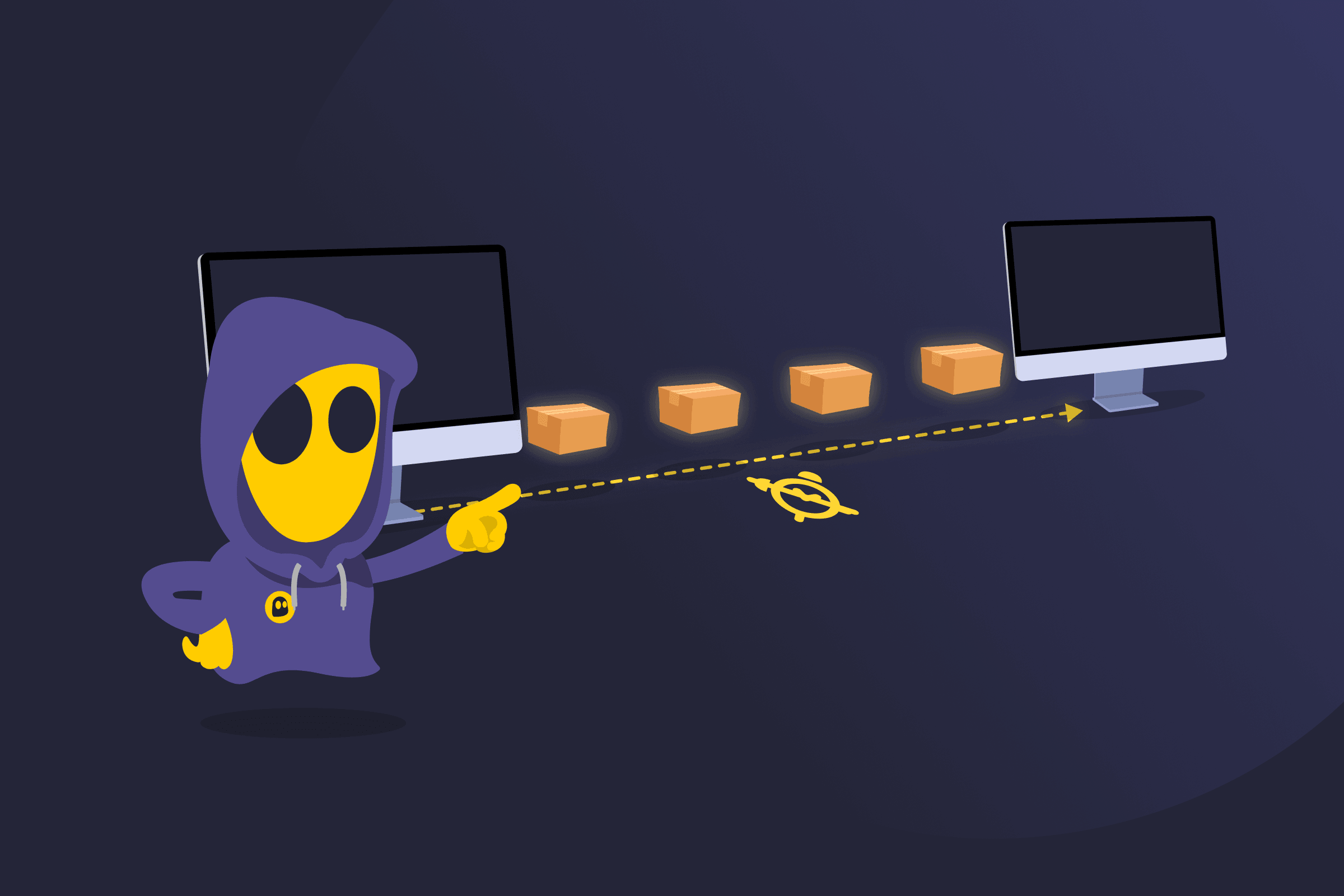
Asynchronous transmission is a method of sending data in small units, typically one byte (or character) at a time, rather than as a continuous stream. It was developed to enable simple communication between devices without requiring precise timing or a shared clock.
Data is sent only when needed, rather than continuously, so gaps between transmissions are expected. Each unit includes start and stop bits for synchronization. A start bit marks the beginning of the data, and a stop bit marks the end. These signals help the receiver identify and process each unit correctly without relying on a shared clock.
How Asynchronous Transmission Works
Asynchronous transmission sends data in a start-and-stop pattern, with each unit handled independently. The process begins with a start bit, which alerts the receiver that incoming data is about to arrive. The data bits follow and carry the actual information. In some cases, a parity bit is added to help detect simple errors. The transmission ends with one or more stop bits, which signal completion and create a short pause before the next unit.
This structure allows the receiver to stay synchronized and read each unit correctly, even when there are gaps between transmissions.
When to Use Asynchronous Transmission
Asynchronous transmission is typically used in systems that send data intermittently over simple communication channels, often without requiring continuous synchronization:
- Industrial automation systems: Used for communication between sensors, controllers, and machines to monitor and manage operations.
- Peripheral communication systems: Used for connecting computers with devices like keyboards, mice, and printers.
- Serial communication (UART): Used for device-to-device communication in electronics, development boards, and low-level system interfaces.
- Embedded systems: Used in microcontrollers and simple hardware where data is sent intermittently.
- Monitoring systems: Used in applications where devices send data periodically rather than continuously.
- Legacy modem communication: Older dial-up modems used asynchronous transmission over telephone lines to send data in discrete units.
Asynchronous vs Synchronous Transmission
Asynchronous transmission sends data in separate units without a shared clock, making it simpler but less efficient. Synchronous transmission uses a shared clock to send data continuously, which improves speed and efficiency for larger transfers but requires precise synchronization between devices.
Read More
FAQ
Asynchronous transmission is best suited for small, simple, and irregular data transfers. It works well for data that is sent one piece at a time, such as text characters, keyboard input, or sensor readings. It’s also suitable when data doesn’t need to be sent continuously and when slight delays between transmissions are acceptable.
Asynchronous transmission can handle large amounts of data, but it isn’t efficient for that purpose. It sends data one unit at a time and adds extra bits to each unit, which slows down transmission. This makes it better suited for small or occasional data rather than continuous, high-volume transfers.
Asynchronous transmission doesn’t require a shared clock between the sender and the receiver. Each data unit includes start and stop bits for synchronization, which allow the receiver to stay in sync and read the data correctly.

 45-Day Money-Back Guarantee