

MiFi
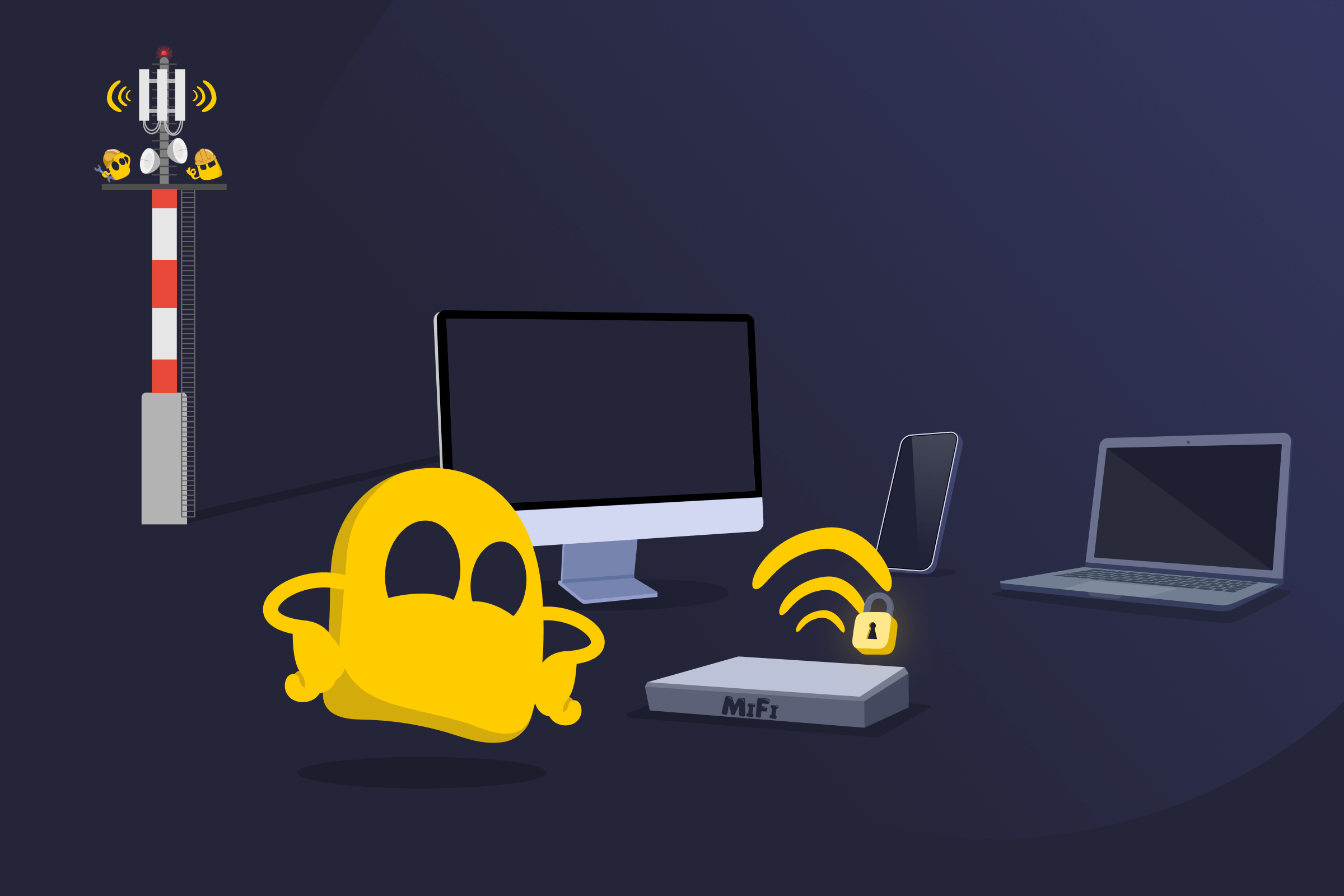
MiFi Definition
MiFi (short for “My Wi-Fi” or “Mobile Wi-Fi”) is a small, portable device that connects to a cellular network and creates a personal Wi-Fi hotspot. Other devices, such as phones, laptops, or tablets, can connect to it to access the internet. MiFi works like a mobile router with a SIM card and mobile data, allowing wireless internet coverage anywhere cellular service is available. People often use MiFi devices while traveling, working remotely, during internet outages, or when multiple people need to share a single data connection.
Advantages of MiFi
- Portable internet access: Lets users get online almost anywhere with cellular service.
- Connects multiple devices: Supports several devices at once, making it ideal for large families or small teams.
- Easy setup: Requires only a SIM card and power, with no complex configuration.
- Secure connection: Offers a private, password-protected network Wi-Fi, which is safer than public hotspots.
- Flexible and independent: Works without relying on fixed broadband or public networks.
Disadvantages of MiFi
- Dependent on mobile signal: Performance drops or stops entirely in areas with weak cellular signal.
- Battery life: Requires regular charging, especially with heavy usage.
- Extra cost: Usually needs its own SIM card and a separate data plan.
- Slower than wired internet: Often slower than fiber or cable, especially during periods of network congestion.
Is a MiFi Secure to Use?
Yes, a MiFi is generally secure to use, especially when set up correctly. Unlike public Wi-Fi networks, a MiFi creates a private connection that’s accessible only with the correct password. However, its level of security depends on how users configure it. Attackers can sometimes turn on GPS on a MiFi device without triggering any alerts and figure out where it is.
To keep a MiFi connection safe:
- Use a strong, unique password to prevent unauthorized access.
- Enable encryption such as WPA2 or WPA3 for secure data transmission.
- Avoid sharing Wi-Fi credentials with too many.
- Update the device firmware regularly to fix security vulnerabilities.
- Monitor connected devices to ensure only allowed devices are using the network.
Read More:
FAQ
Yes. A MiFi needs a SIM card with a mobile data plan to connect to the internet. The SIM card lets the device access a cellular network and share that connection with other devices through Wi-Fi.
Most MiFi devices let you connect between 5 and 15 devices at the same time. The exact number depends on the model. High-end MiFi units can connect even more devices without losing speed or stability.
Battery life usually lasts between 5 and 10 hours on a full charge. It depends on how you use the device. Streaming, gaming, or connecting many devices can drain the battery faster than light browsing or messaging.

 45-Day Money-Back Guarantee