

Phreaking
Phreaking Definition
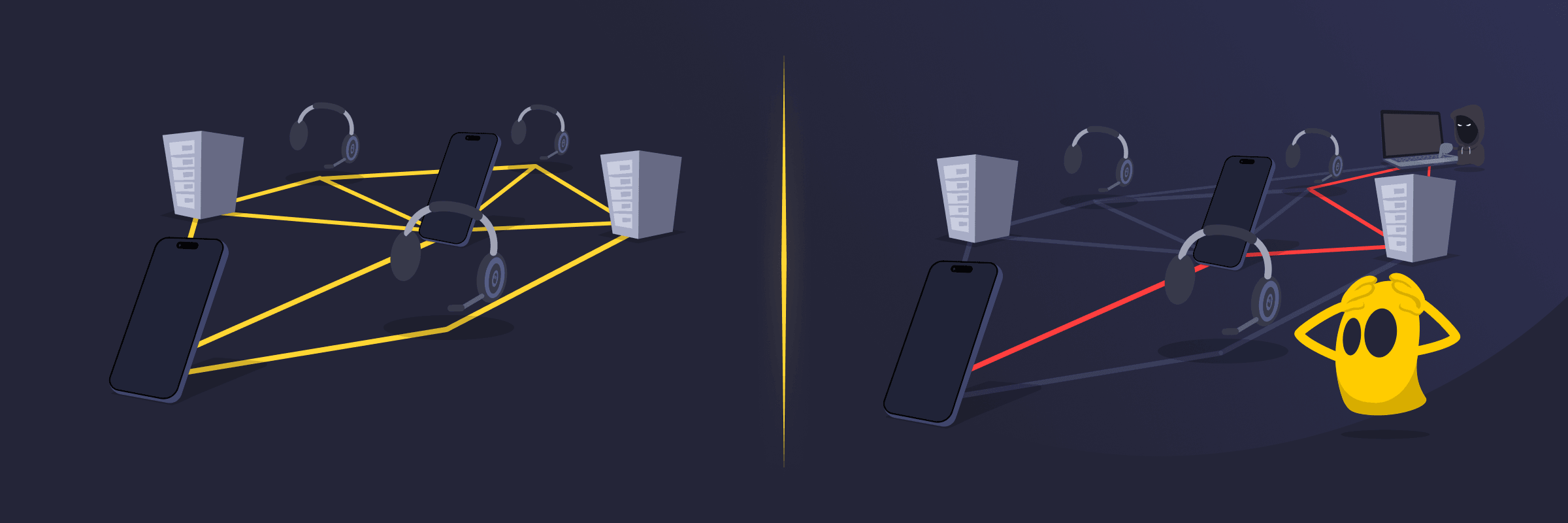
Phreaking is the act of manipulating or hacking telephone systems to gain unauthorized access to calls or telecom services. Early phreakers used special tones and homemade devices to trick analog phone networks into allowing free long-distance calls. Today, phreaking mostly targets digital phone systems, VoIP services, and business telecom networks for fraud, unauthorized access, or call interception.
How Phreaking Works
Phreaking exploits weaknesses in phone and communication systems. In the past, attackers copied the audio tones used by analog telephone networks to control and route calls. This allowed them to bypass billing systems, open phone lines, or make free calls without permission.
Modern phreaking targets digital telecom systems instead of tone-based landline networks. Attackers may exploit weak passwords, outdated software, unsecured voicemail accounts, or vulnerable PBX and VoIP systems to gain remote access. Once inside, they can make unauthorized calls, reroute traffic, steal sensitive information, or commit telecom fraud.
Some attacks also rely on social engineering. For example, an attacker may pretend to be a telecom employee or service provider to trick someone into sharing login credentials or system access.
Common Phreaking Techniques
- Tone manipulation: Attackers used audio tones to trick analog phone systems into routing calls for free.
- Blue box attacks: Special electronic devices copied telecom control tones to bypass billing systems.
- Voicemail hacking: Weak PINs and default passwords can expose voicemail accounts.
- PBX exploitation: Attackers abuse business phone systems to make unauthorized calls.
- VoIP attacks: Poorly secured internet phone systems can be exploited for fraud or call interception.
- Caller ID spoofing: Attackers fake phone numbers to appear trustworthy or hide their identity.
- Social engineering: Some phreakers trick employees or users into sharing login credentials or system access.
Phreaking vs Hacking
Phreaking is the manipulation of telephone and telecom systems to gain unauthorized access to calls or communication services. Early phreakers mainly targeted analog phone networks using special tones or electronic devices, while modern phreaking focuses more on VoIP, PBX, and digital telecom systems.
Hacking is a much broader term that refers to modifying, exploring, testing, or interacting with computer systems, networks, software, or devices in ways that weren’t originally intended. Hacking can be authorized or unauthorized and may be used for legitimate purposes, like security testing and research, or for malicious activity such as data theft, malware deployment, or exploiting vulnerabilities.
Read More
FAQ
Yes, mobile phones can still be vulnerable to modern phreaking techniques, especially through VoIP apps, voicemail systems, caller ID spoofing, and SIM-related attacks. Attackers may exploit weak passwords, social engineering, or poorly secured telecom services to intercept calls, access accounts, or commit fraud.
Yes, weak voicemail passwords can make phreaking attacks much easier. Attackers may guess simple PINs or use default voicemail codes to access messages, reset accounts, intercept sensitive information, or use the phone system for fraud.
Analog telephone systems once relied on audio tones to manage and route calls. Phreakers learned how these tones worked and recreated them using electronic devices or simple tools to make unauthorized calls and manipulate phone network functions.

 45-Day Money-Back Guarantee