

Rotating Proxy
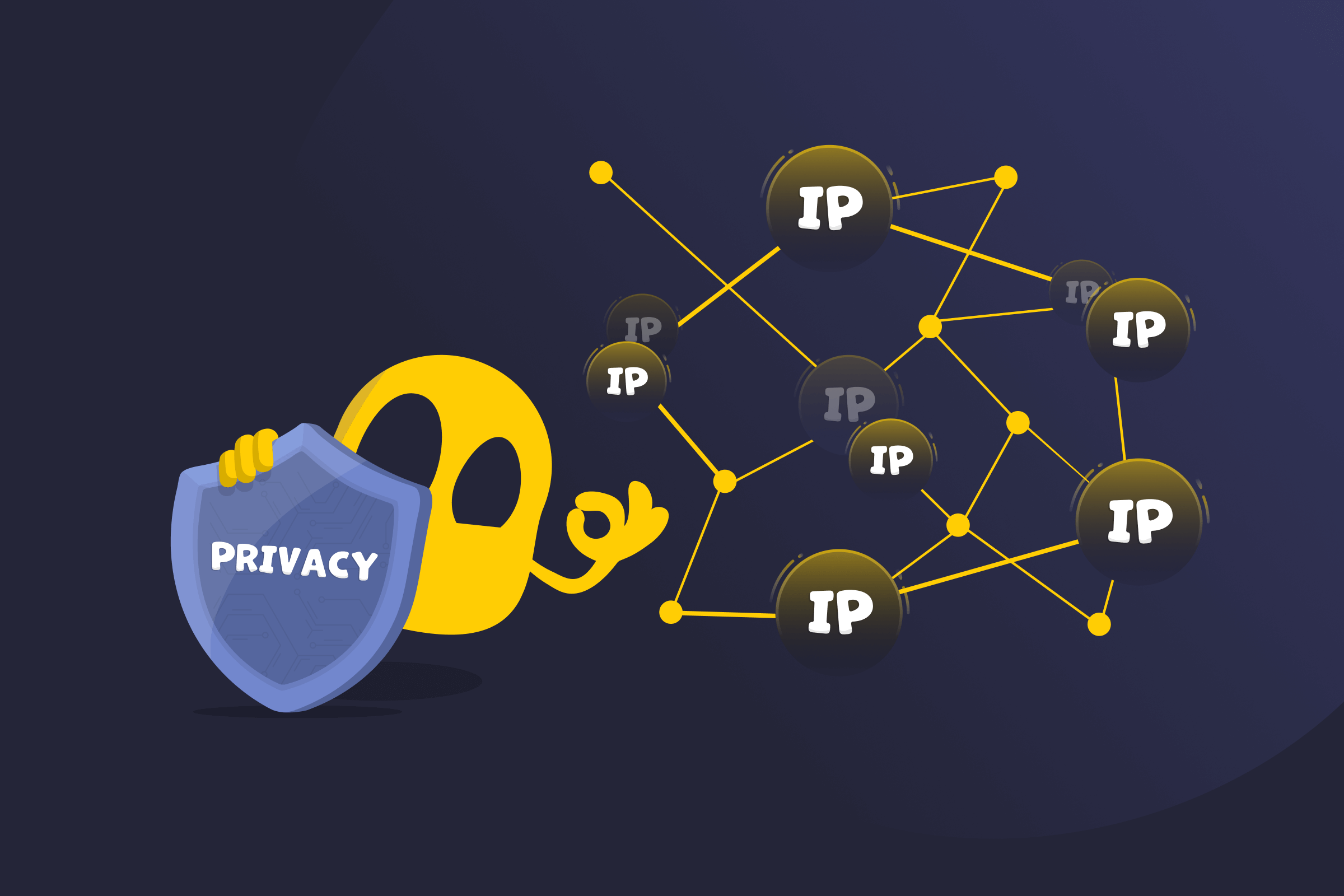
Rotating Proxy Definition
A rotating proxy, or rotating IP proxy, is a proxy server that automatically changes its IP address at regular intervals or with each new request. Instead of using one fixed IP address, the user is assigned different IPs over time. This helps reduce blocks during repeated online requests and supports tasks that require frequent connections. Rotating proxies are often used for web scraping, collecting data, verifying ads, and other automated online tasks that rely on steady access without repeated IP-based interruptions.
Common Types of Rotating Proxies
- Datacenter rotating proxy: Uses IP addresses hosted on large cloud or data center servers.
- Residential rotating proxy: Routes traffic through real household internet connections provided by ISPs.
- Mobile rotating proxy: Rely on IP addresses from mobile carriers on 4G or 5G networks.
- ISP rotating proxy: Runs on data center hardware but uses IPs assigned by internet service providers.
Examples of Rotating Proxies
- Time-based rotation: Changes the IP address after a fixed period, such as every 10 or 15 minutes.
- Request-based rotation: Gives a new IP for each connection or web request.
- Session-based rotation: Keeps the same IP address during a short session before switching.
- Location-based rotation: Rotates IPs from specific countries or regions.
Benefits of Rotating Proxies
- Improves anonymity: Makes it harder for websites to track activity by frequently changing IP addresses.
- Lowers the risk of blocks: Reduces chances of getting blocked when sending many repeated requests.
- Supports stable sessions: Allows the same IP to be used briefly when a task requires consistency.
- Enables location-based access: Helps a device appear as if its traffic is coming from different regions.
- Keeps automated tasks running: Lets scraping, testing, and monitoring tools work without interruptions.
Limitations of Rotating Proxies
- Higher cost: Services with large rotating IP pools usually cost more than static proxy options.
- Slower connections: Constant IP switching can lead to drops in speed or brief connection delays.
- Session disruption: Some logins or tasks may break when the IP changes unexpectedly.
- Possible detection: Shared or low-quality IPs can still be flagged and blocked by websites.
- Tricky setup: Configuring rotation rules and managing proxy behavior can take time.
Rotating Proxy vs Static Proxy
A rotating proxy changes its IP address automatically, either on a timer or with every new request. This makes it better for tasks that involve many repeated connections, such as web scraping, price tracking, or ad verification.
A static proxy keeps the same IP address at all times. This makes it more suitable for activities that require consistency, such as account logins, secure sessions, or website management.
Read More
FAQ
Use a trusted proxy provider with clear privacy policies and a large IP pool. Steer clear of free or public proxies, because they may log activity or reveal data. Make sure your connections use HTTPS and limit requests to prevent being flagged or blocked by websites.
Yes, rotating proxies are legal in most countries when used for lawful purposes. They become a problem only if used to break terms of service, access restricted data, or hide illegal activity. Always follow local laws and the rules of the websites you connect to.
Yes, rotating proxies can help with SEO tasks like checking search rankings or tracking competitors. By changing IPs, they lessen blocks and make it easier to collect accurate results from different locations.

 45-Day Money-Back Guarantee