

Baiting
Baiting Definition
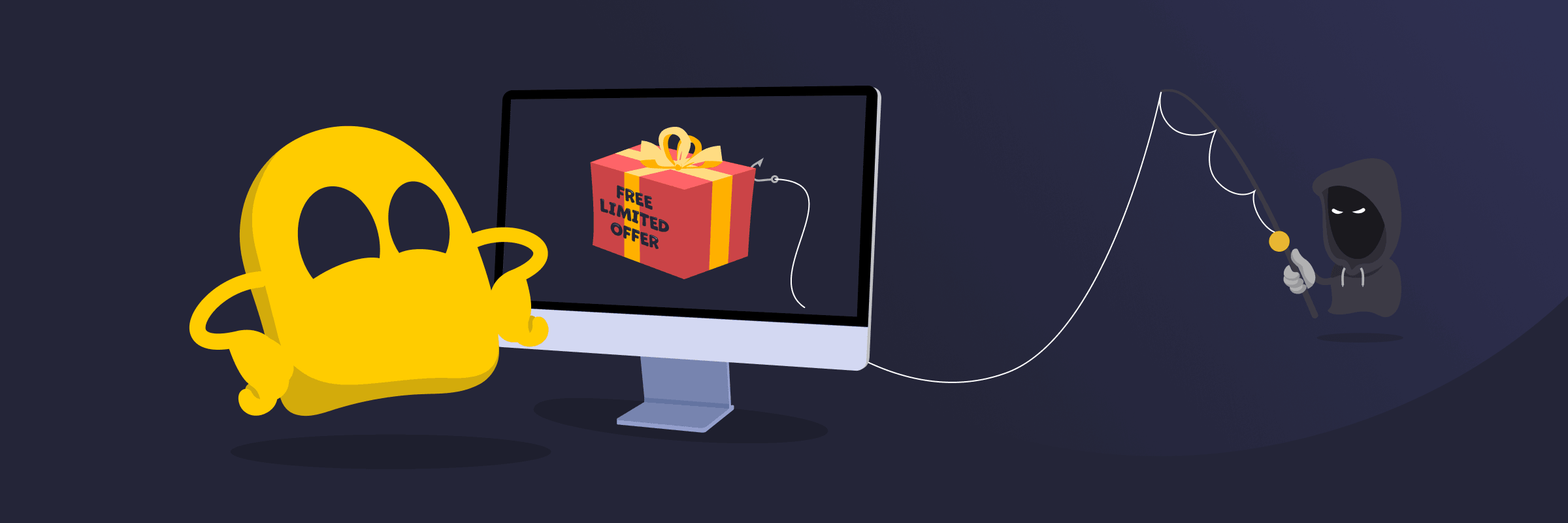
Baiting is the act of using a tempting offer to manipulate someone into taking an action that benefits the baiter and likely harms the victim. In cybersecurity, baiting usually involves tricking a person into installing malicious software on their device by advertising it as an urgent or limited offer.
How Baiting Works
Baiting exploits basic human psychology — specifically curiosity, greed, and urgency. A successful baiting attack typically follows three stages:
- The lure: The attacker crafts an appealing offer, such as a free software download, a prize notification, or a “confidential” USB drive left in a parking lot.
- The hook: The victim interacts with the bait, clicking a link, downloading a file, or plugging in a device.
- The payload: Malware is installed on the victim's device, giving the attacker access to sensitive data, login credentials, or system controls.
Types of Baiting
- Physical baiting: Infected storage devices like USB drives or SD cards left in public places where someone is likely to pick them up.
- Digital baiting: Pop-up ads, fake download buttons, or links promising free software or exclusive content.
How to Protect Yourself from Baiting
- Never plug in unknown USB drives or storage media.
- Avoid clicking on pop-ups or ads offering free downloads or prizes if you’re not 100% sure the offer is legitimate.
- Keep your operating system and antivirus software up to date.
- Verify download sources and only use official or trusted websites.
- Activate CyberGhost VPN’s Content Blocker to automatically filter out known malware and tracker domains before they reach your device.
Read More
FAQ
Baiting and phishing are both social engineering attacks, but baiting specifically uses a material incentive (a free item or prize) to lure victims. Phishing typically relies on impersonation and urgency without necessarily offering something desirable in return.
Bait-and-switch is primarily a general advertising/retail tactic where a business lures customers with an attractive offer they have no intention of honoring, then pushes them toward a pricier or different alternative. This can range from a cheaper, lower-quality product to something outright malicious, like malware disguised as the advertised software.
Watch for download buttons that don't match the surrounding page design, URLs that mimic legitimate sites but have slight misspellings, and offers that require you to disable your antivirus before installing. The best defense is following basic security hygiene, like using good antivirus software and only downloading from official sources.

 45-Day Money-Back Guarantee