
Antivirus
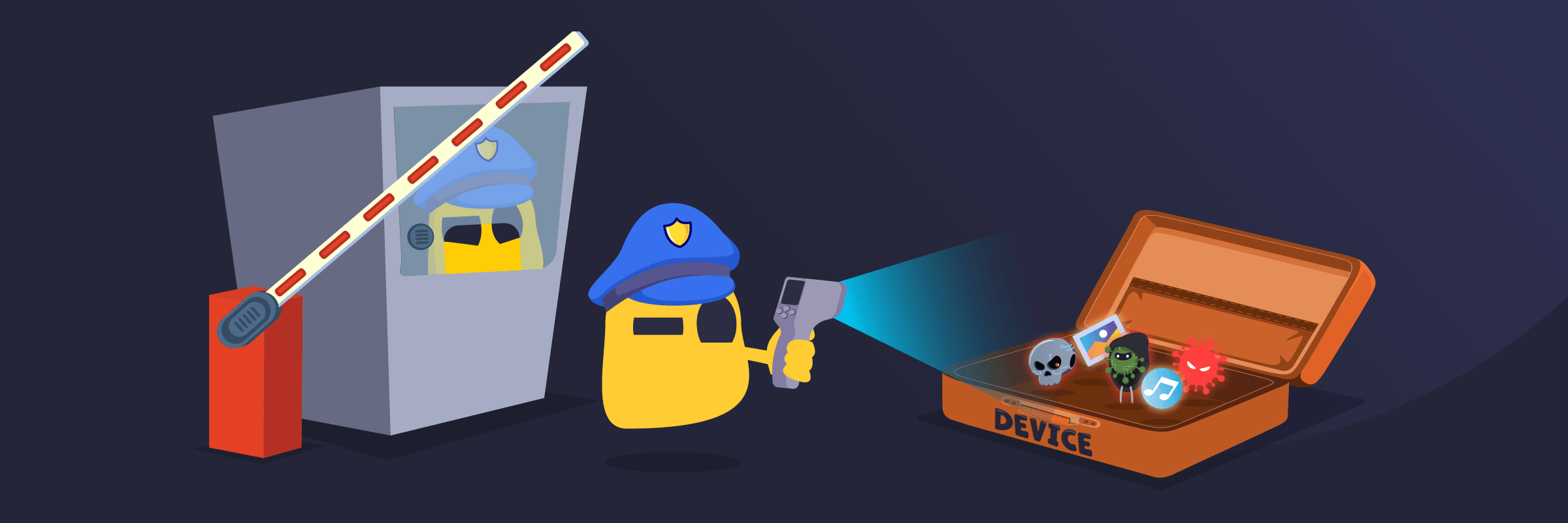
Antivirus Definition
Antivirus (also called antivirus software, anti-virus software, or AV software) is a security program that helps find, block, and remove viruses and other types of malware from a device. It usually runs in the background and provides ongoing protection while files, apps, and downloads are checked. Although the name refers to viruses, most modern antivirus tools also help defend against threats such as spyware, worms, trojans, and ransomware.
How Antivirus Works
Antivirus checks files, programs, and system activity for signs of malicious code. Many tools compare what they find against a database of known malware patterns. They also look for suspicious behavior, like a program trying to change important system files or run commands it shouldn’t be running. When an antivirus detects something unsafe, it may block the file, move it to quarantine, or delete it. Most tools also rely on regular updates so they can recognize newer threats.
Older antivirus tools were much simpler and often built to stop a single known threat. One early example is The Reaper, created in 1972 to deal with The Creeper. In 1987, Bernd Robert Fix wrote a tool to remove the Vienna virus, which is one of the first documented examples of dedicated virus removal software.
Limitations of Antivirus
- New threats: Some malware appears before antivirus companies have time to add it to their databases.
- False positives: Legitimate files or apps can sometimes get flagged and blocked by mistake.
- Fileless attacks: Some threats work through trusted system tools and operate directly in the system’s memory (RAM) instead of infected files, which makes them harder to spot.
- System slowdown: Scans and background checks can use up system resources, especially on older devices.
- Incomplete protection: Antivirus is useful, but it can’t cover every risk on its own.
Read More
FAQ
Not exactly. Anti-malware is the broader term because it covers many kinds of harmful software, not just viruses. Antivirus originally referred to tools made to stop computer viruses, but today most antivirus products also detect other threats. Because of that, the two terms are often used interchangeably.
Sometimes. Phones often come with built-in security features, app store checks, and system protections. However, an extra antivirus can still help if you download a lot of apps, open unknown links, or allow software from outside official app stores. It's more useful on Android than on iPhone because Android gives users more freedom to install apps from different sources.
Sometimes. A free antivirus can be enough for basic everyday use, especially on a device that’s updated regularly and used with care. It usually covers the main essentials, but paid versions often include more features and broader support. For people with higher risk or more sensitive data, free protection may feel too limited.
Not always. Antivirus can help block known malicious websites, infected attachments, and some scam links. Phishing often depends on tricking someone into trusting a fake message or website. That means antivirus software can reduce the risk, but it can’t stop every phishing attack on its own.
No. A VPN and antivirus do different jobs. A VPN helps protect internet traffic and hide your IP address, while an antivirus looks for harmful software on a device. One supports privacy, and the other helps protect the system itself.
 45-Day Money-Back Guarantee