
Anti-Malware
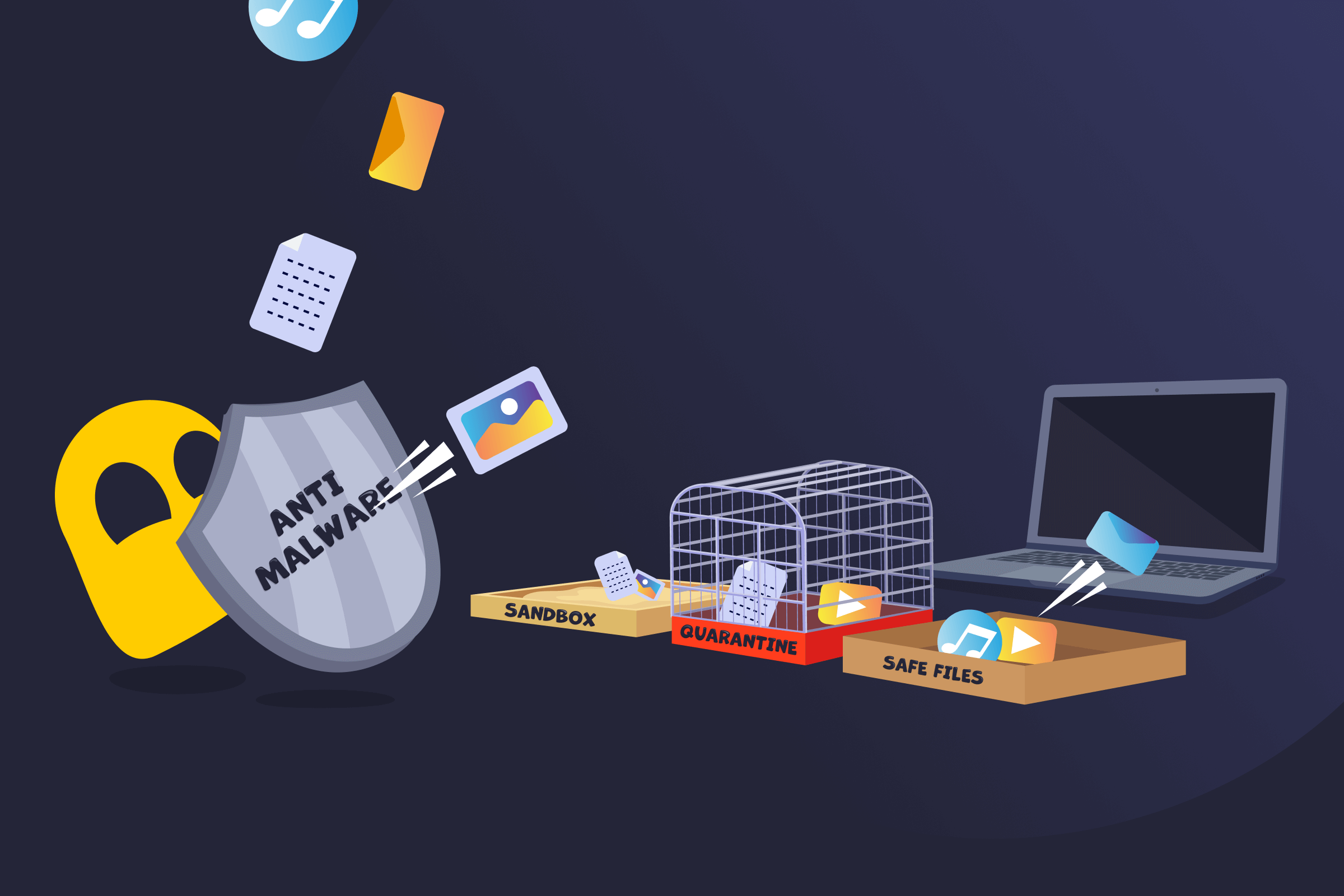
Anti-Malware Definition
Anti-malware is security software designed to identify, block, and remove malicious programs before they can harm a device or steal information. It works by scanning files, apps, and activity patterns for signs of known threats or suspicious behavior. Modern anti-malware tools are built to protect against a wide range of threats, including ransomware, spyware, trojans, worms, and other forms of malicious software.
How Anti-Malware Works
Anti-malware tools combine multiple detection methods at once. Some compare files against databases of known malware fingerprints or signatures. Others monitor how programs behave, looking for unusual actions such as modifying system settings or attempting to access sensitive files. In some cases, suspicious files are tested in isolated environments (sandboxes) before they’re allowed to run. This multi-layered defense helps anti-malware identify both known and emerging threats, enhancing detection accuracy.
Common Types of Anti-Malware Detection
- Real-time scanning: Checks files and downloads as they appear instead of waiting for a manual scan.
- Behavior-based (heuristic) monitoring: Observes how programs act once they start running. If a file begins encrypting data, modifying system settings, or attempting to hide itself, it gets flagged even if it has no known signature.
- Signature-based detection: Compares files against a database of previously identified malware and blocks any confirmed matches.
- Sandboxing: Opens suspicious files in a secure, isolated environment to see what they do before allowing them to run on the actual system.
- Cloud threat intelligence: Uses shared threat data collected from many devices to quickly identify and respond to newly discovered risks.
- Recursive unpacking: Unpacks compressed or layered files step by step to scan what is hidden inside.
Real-World Anti-Malware Examples
Anti-malware protection is commonly included in consumer and business security solutions. Most typically, they come as antivirus software.
For example, CyberGhost Security Suite for Windows includes anti-malware capabilities designed to detect, block, and remove threats before they can compromise a device. It scans files in real time, monitors suspicious behavior, and helps prevent malicious software from installing or executing.
Read More
FAQ
Antivirus software was originally built to detect and remove computer viruses. Anti-malware is a broader term that covers protection against many types of threats, including ransomware, spyware, trojans, worms, and more. Today, most modern security tools combine antivirus and anti-malware features into a single solution.
It can. While signature-based detection works best for known malware, modern anti-malware tools also rely on behavior monitoring, heuristics, and sandbox testing to identify suspicious activity. This allows them to catch new or modified threats even before a formal signature is created.
Yes. Even cautious users can encounter malicious files through compromised websites, phishing emails, software downloads, or infected advertisements. Anti-malware provides an additional layer of protection in case a threat bypasses user judgment or other defenses.
 45-Day Money-Back Guarantee