
Binary Code Analysis
Binary Code Analysis Definition
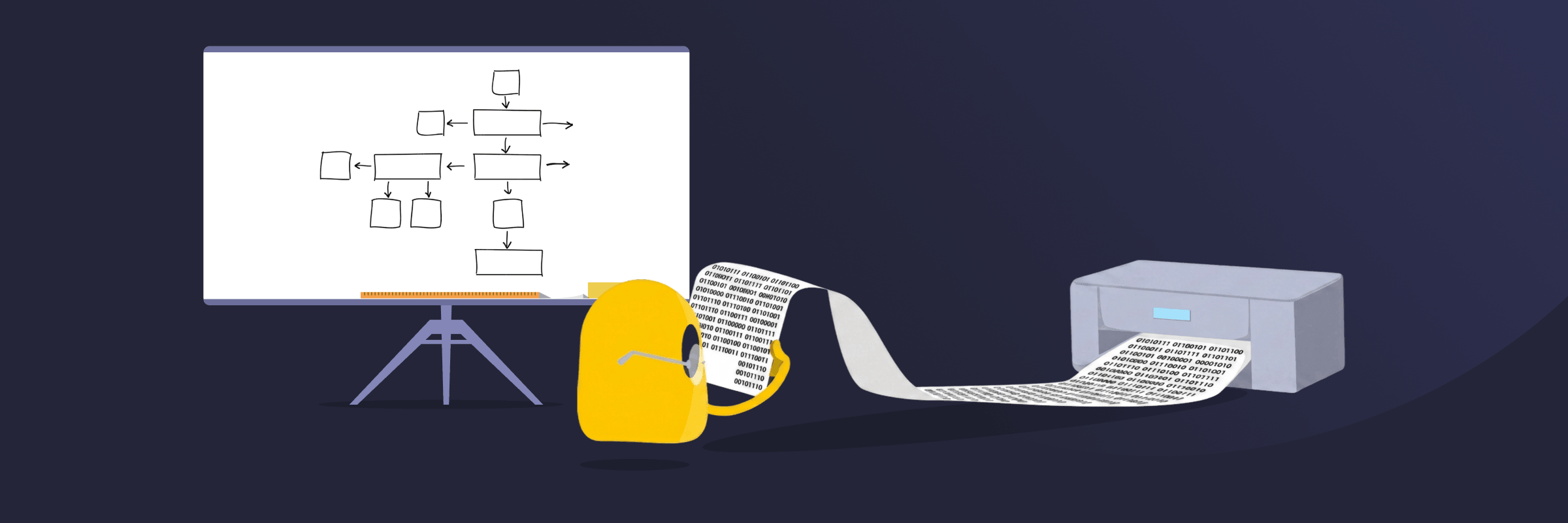
Binary code analysis (also shortened to just binary analysis) is the process of examining compiled software without access to its original source code. Rather than analyzing human-readable code, analysts examine the executable machine code that the processor runs, often using tools like disassemblers and decompilers.
How Binary Code Analysis Works
Binary code analysis follows two main methods:
- Static analysis: Examining the binary code without running it. Analysts inspect instructions, control flow, data structures, imported libraries, and other characteristics that may reveal how the program works or indicate potential vulnerabilities.
- Dynamic analysis: Running the code in a controlled, isolated environment (called a sandbox). The analysts monitor how the code behaves, paying attention to modified or created files, changed registries, or API calls.
Depending on the method used and the purpose of analysis, the process can use the following techniques:
- Disassembly: Converts the raw binary code into assembly language that a human can read.
- Decompilation: Translates machine code into higher-level pseudocode, making the program's logic easier to understand even though the result isn't the original source code.
- Text string extraction: Extracts readable text embedded in a program, such as URLs, file paths, or error messages.
- Data flow model analysis: Follows how data moves through the program, from input, through processing, to output.
- Binary diffing: Compares two versions of the same program to identify what changed, often to analyze software updates or security patches.
Common Uses for Binary Code Analysis
- Debugging and troubleshooting: Fixing bugs in software when the source code isn’t available or when the bug only appears in its compiled version.
- Security analysis: Finding security vulnerabilities in software without available source code.
- Reverse engineering software: Recovering program logic or figuring out how to make incompatible software packages work together.
- Malware analysis: Figuring out what a piece of malware does to make it easier to reliably detect, remove, or defend against.
- Supply chain analysis: Detecting tampering, malware, and license violations at different steps of distributing code.
Binary Code Analysis Drawbacks
Binary code analysis can reveal useful information about a piece of software, but it has limitations. It can be time-consuming and complex because the code is typically analyzed through assembly language or pseudo code, which work with memory addresses rather than variables. Also, compilers often optimize code to make it smaller or speed up its execution time. This can make the binary form look different from the original logic that the source code follows.
Read More
FAQ
Binary code analysis can help in situations where a program’s source code isn’t available. This can often be the case for third-party software or legacy programs. It can also help detect bugs that occur after compiling the code and malware that’s been injected at some point along the code’s supply chain.
While it’s important in cybersecurity, binary code analysis is useful across many areas of expertise. This can include software developers, malware specialists, cybersecurity professionals, quality assurance teams, or researchers. For example, it can be used to reverse engineer the source code for a program whose original code is lost.
Yes. Many tools automate parts of the binary analysis process, such as disassembly and decompilation, string extraction, and binary comparison. Examples include Ghidra, a free and open-source reverse engineering suite developed by the U.S. National Security Agency (NSA), and BinDiff, an open-source binary comparison tool maintained by Google. Security researchers and reverse engineers also often use commercial tools such as IDA Pro and Binary Ninja.
 45-Day Money-Back Guarantee