
COMSEC
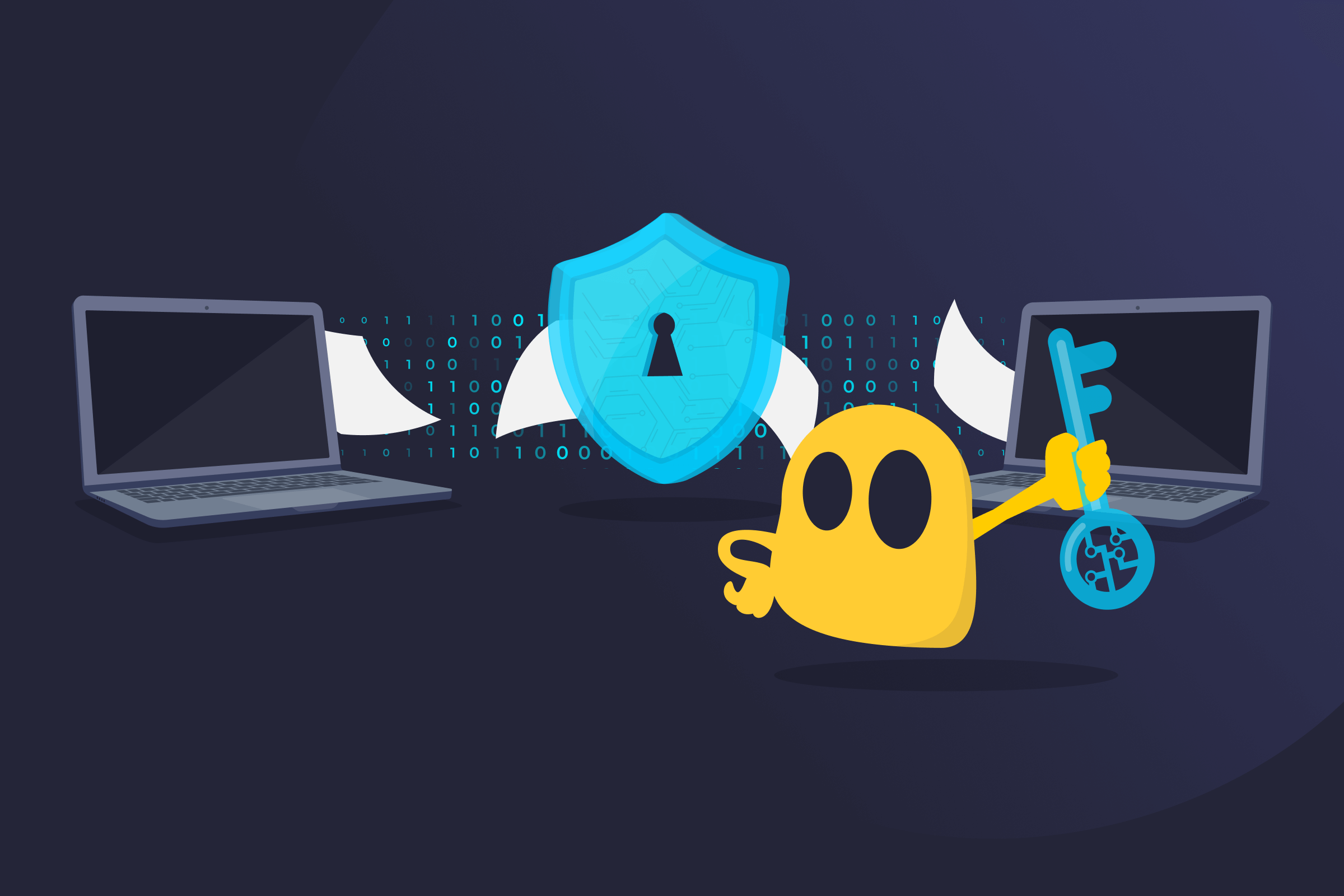
COMSEC Definition
COMSEC, short for Communications Security, is the practice of keeping digital information safe while it’s transmitted. Its goal is to prevent messages from being intercepted, altered, or read by anyone else except the intended recipient. Originally developed for government and military use, COMSEC now applies to everyday digital security, from encrypted phone calls and emails to VPNs and online banking.
How COMSEC Works
COMSEC secures data at every stage of transmission. At the core is data encryption, which scrambles information into unreadable code before it leaves the sender’s device. Only the receiver with the right cryptographic key can restore it to its original form. Even if an attacker intercepts the signal, they can’t understand it.
Beyond encryption, COMSEC relies on secure communication protocols, like SSL (Secure Sockets Layer) and TLS (Transport Layer Security). These establish protected connections between devices and servers so that data remains confidential.
The process also uses authentication to verify the identity of senders and receivers, preventing impersonation or tampering. COMSEC also uses signal protection and secure handling, covering the physical and electronic pathways that carry the data, like radios, cables, routers, or satellites.
Where COMSEC Is Used
- Personal privacy: Everyday tools like encrypted messaging apps, secure email, and VPNs use COMSEC principles to protect users from eavesdropping.
- Critical infrastructure: Industries like energy, transport, and telecommunications rely on COMSEC to protect control systems and networks from disruption.
- Law enforcement: Police and investigative units use COMSEC to keep case details and surveillance data hidden from third parties.
- Defense and intelligence agencies: Military and intelligence units encrypt field reports, mission data, and classified communication.
- Corporate communications: Businesses use COMSEC to protect internal messages, remote meetings, and stored data from leaks or espionage.
- Healthcare systems: Hospitals and insurers rely on COMSEC to secure patient records and medical data exchanges.
- Financial institutions: Banks and payment providers secure transactions, account details, and communications through encryption and authentication.
- Governments and military operations: COMSEC protects classified communications used for national defense and intelligence sharing.
Read More
FAQ
COMSEC technology is essential for any organization that handles sensitive information or relies on secure communications. Governments, military agencies, banks, healthcare systems, and corporations all use COMSEC to prevent data leaks. Even individuals benefit from this technology through tools like VPNs and encrypted messaging apps.
COMSEC focuses on protecting the confidentiality and integrity of communications. It ensures that messages can’t be intercepted, altered, or read by unauthorized parties. Cybersecurity is much broader and covers a wider range of possible data protection layers. That can include network defense, malware prevention, system monitoring, and more. In short, COMSEC is one branch of overall cybersecurity.
Modern examples of COMSEC include end-to-end encrypted messaging, secure email services, and VPN technologies that protect online traffic. All those tools use encryption and authentication to make sure communications remain private.
 45-Day Money-Back Guarantee