
Control Network
Control Network Definition
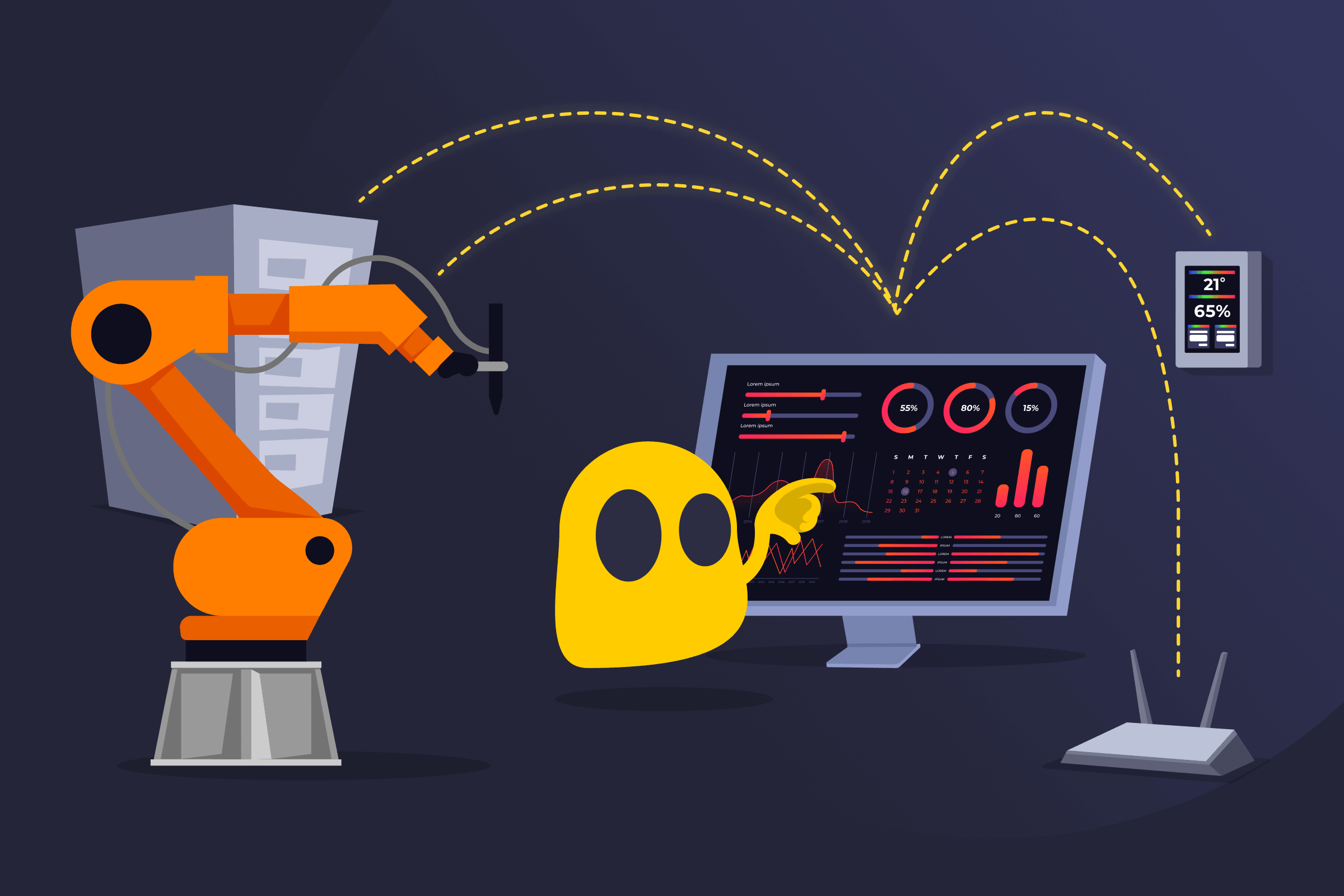
A control network is a network used to manage, monitor, and coordinate devices within a larger system. It allows administrators or automated systems to configure equipment, collect operational data, and send commands that control how devices behave.
Control networks are commonly used in environments where many devices must operate together, such as industrial systems, building automation, and large IT infrastructures. Without them, managing large numbers of connected devices individually would be slow, complex, and prone to error.
How Control Networks Work
A control network allows management systems to communicate with connected devices and coordinate how they operate. Administrators or automated platforms can apply configuration settings like IP addresses, routing rules, and system permissions across multiple devices at once. The network also collects operational data, including device health, performance metrics, and traffic activity, so administrators can monitor how the system is functioning.
Control networks also enable direct control and coordination between devices. Management systems can send commands that determine how equipment behaves or responds to specific conditions. Synchronization features help multiple components operate together as part of a larger system. Logging, alerts, and diagnostic data provide visibility into faults or performance issues, while access controls help prevent unauthorized changes to the system.
Common Uses of Control Network
- Industrial automation: Connects sensors, controllers, and machines in manufacturing environments.
- Energy infrastructure: Supports monitoring and management of smart grids and power distribution systems.
- Building automation: Controls lighting, heating, ventilation, and security systems in smart buildings.
- Enterprise IT networks: Monitors and manages routers, switches, servers, and other network infrastructure.
- Transportation systems: Coordinates signaling and monitoring systems used in rail or traffic networks.
- Data center operations: Manages infrastructure components such as cooling systems, power equipment, and networking devices connected through a LAN (local area network).
Limitations and Security Considerations
- Security exposure: If compromised, attackers could manipulate connected devices or disrupt operations.
- Single-point risks: Centralized control components may create operational dependencies.
- Access control challenges: Misconfigured permissions can allow unauthorized system changes.
- System complexity: Large infrastructures can make troubleshooting and monitoring more difficult.
- Operational impact: Failures in the control network may disrupt the systems it manages.
Read More
FAQ
Control networks focus on managing device behavior and system operations, while regular networks mainly carry user traffic, like emails, files, and web requests. In other words, control networks handle commands and monitoring data rather than everyday communication between users.
Control networks can be secured using measures such as network segmentation, strong authentication, access controls, and continuous monitoring. However, because they often manage critical systems, they require careful configuration and regular security updates. access controls, monitoring, and network segmentation.
Yes. While control networks are common in large infrastructures, they can also be used in smaller environments such as smart homes, building automation systems, and small industrial setups where multiple devices must be coordinated or monitored.
 45-Day Money-Back Guarantee