
Cyberthreat
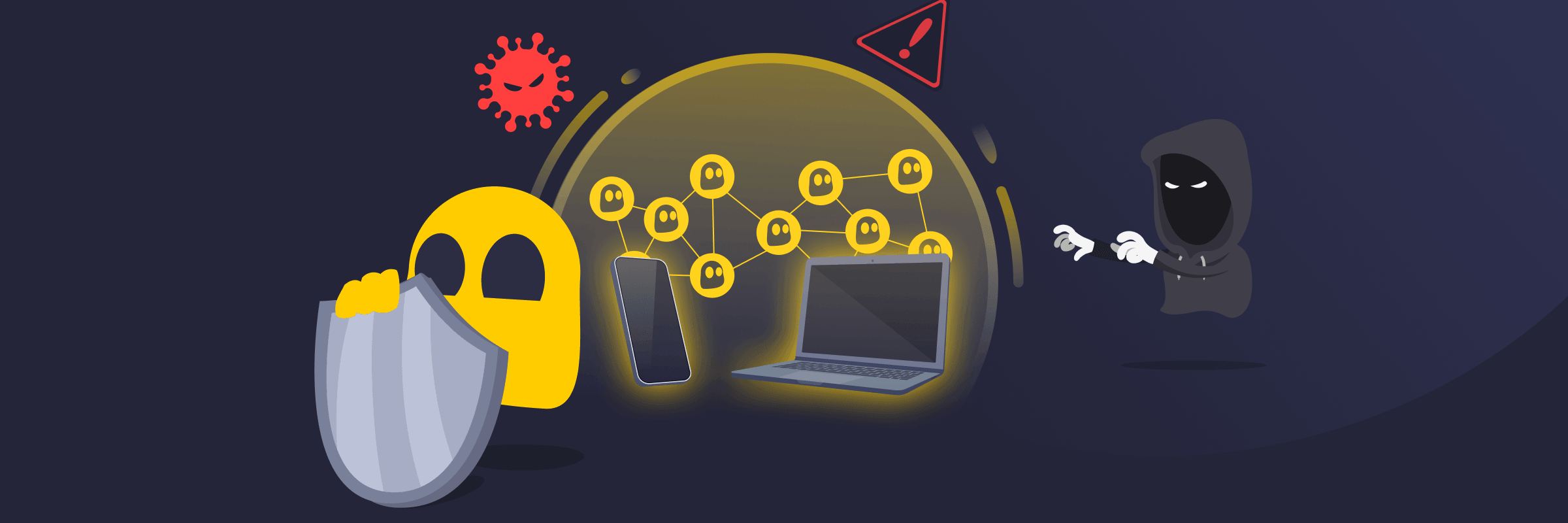
Cyberthreat Definition
A cyberthreat is any potential malicious act, actor, or circumstance that seeks to compromise the security of digital systems, networks, or data. It aims to gain unauthorized access, steal, alter, disrupt, or destroy information without permission. Cyberthreats represent the risk before an actual attack occurs.
How Cyberthreats Work
Cyberthreats take advantage of weak points in software, networks, and user behavior. Attackers first look for vulnerabilities, such as outdated systems, poor security settings, or human mistakes like clicking unsafe links. They then use methods like social engineering, phishing, malware, or network interception to break into systems.
If a cyberthreat is realized, attackers can steal sensitive data, monitor activity, or disrupt services. In many cases, they try to stay hidden for as long as possible to maximize the damage. This makes cyberthreats dangerous even before an attack is detected, as the risk can exist without clear warning signs.
Common Types of Cyberthreats
- Malware: Malicious software like viruses, worms, or spyware can damage systems or allow unauthorized access to data.
- Ransomware: Attackers use this type of threat (a form of malware) to lock files or systems and demand payment to restore access.
- Phishing: Fake emails or websites are used to trick users into revealing sensitive information like passwords or financial details.
- Brute force: Repeated attempts to guess passwords or keys are made until the correct combination is found, often succeeding with weak credentials.
- DDoS (Distributed Denial of Service): Large volumes of traffic are sent to overwhelm websites or networks and make them unavailable.
- SQL injection: Malicious code is inserted into input fields to access, change, or delete data stored in databases.
- Zero-day exploits: Previously unknown vulnerabilities are targeted before developers release a fix, making these attacks harder to detect and stop.
Potential Consequences of Cyberthreats
- Financial losses: Costs can arise from ransom payments, recovery efforts, legal fees, and lost revenue due to downtime.
- Reputational damage: Trust in a brand may decline, leading to lost customers and long-term harm to business relationships.
- Operational disruption: Systems may shut down or slow significantly, interrupting normal activities and essential services.
- Data loss and privacy breaches: Sensitive information may be exposed, increasing the risk of identity theft, fraud, and data misuse.
- Regulatory and legal consequences: Fines, lawsuits, or increased oversight may result when organizations fail to protect user data.
- Erosion of trust: Confidence in digital services may weaken, slowing adoption and ongoing use.
How to Reduce Cyberthreat Risks
Reducing cyberthreat risks usually involves a mix of technical safeguards and user awareness. Common measures include keeping software up to date, using strong authentication, and limiting access to sensitive systems. Security tools like firewalls and antivirus software can help detect malicious activity, while monitoring systems can identify unusual behavior early. Together, these practices may help lower the risk of threats becoming active attacks.
Read More
FAQ
Signs vary depending on the type of cyberthreat but may include slow system performance, unexpected pop-ups, unknown logins, or unusual account activity. Missing files or unauthorized transactions can also indicate a breach. Some attacks remain hidden, so security tools and monitoring systems play a key role in early detection.
A cyberthreat is the possibility of a malicious action that could harm systems or data, while a cyberattack occurs when that threat is carried out. In simple terms, a cyberthreat represents the risk, and a cyberattack is the actual event that causes damage or disruption.
Cyberthreat protection refers to solutions that help prevent, detect, and respond to potential cyberthreats. It includes tools and practices designed to reduce the risk of attacks. This includes antivirus software, firewalls, regular updates, strong passwords, and secure networks. It also involves user awareness, since many threats rely on human error.
 45-Day Money-Back Guarantee