
Data Hiding
Data Hiding Definition
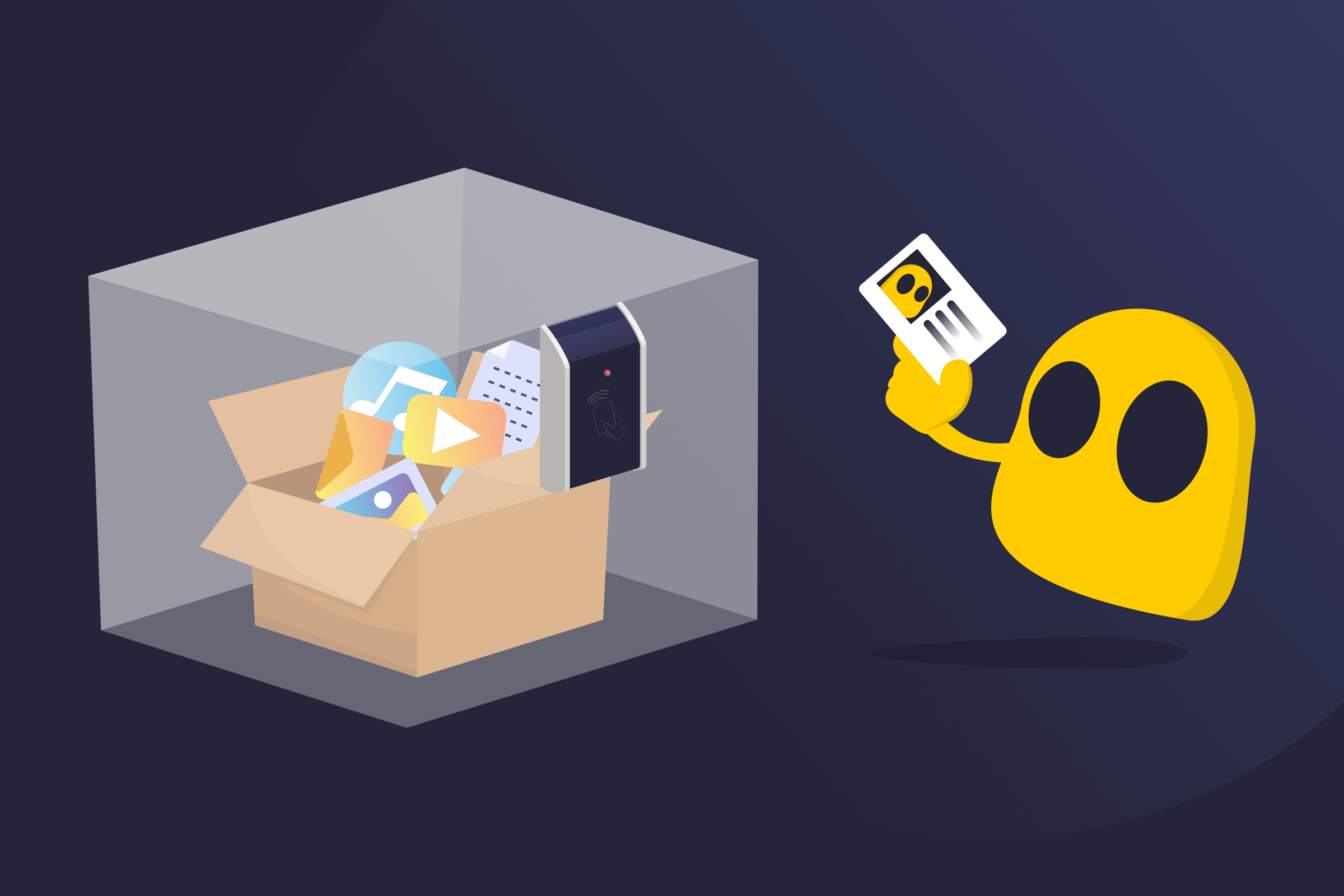
Data hiding, or information hiding, is a way to keep information from being seen or accessed by unauthorized people or systems. It places data behind a controlled boundary and prevents direct interaction with it. Only approved methods or interfaces can read or change the data, while everything else remains blocked.
Types of Data Hiding
- Data hiding in software design: Controls how parts of a program interact with internal data. Developers expose only what other parts of the program need to use and hide internal details.
- Data hiding in security: Conceals sensitive information so it doesn't appear in plain form. Systems use this approach to lower the risk of unwanted exposure during storage, processing, or communication.
Common Data Hiding Techniques
- Encryption: Scrambles data so it can’t be read in its original form. Only someone with the right key can turn it back into usable information.
- Data masking: Swaps real values with altered ones that look similar. This lets systems use the data without revealing the original details.
- Obfuscation: Rearranges data or code so it’s difficult to follow. The information still works the same way, but it’s harder to understand.
- Steganography: Hides information inside other files, like images or audio. To most people, the file looks normal and unchanged.
Limitations of Data Hiding
- Doesn’t stop all threats: Hidden data may still be exposed when other parts of the system are weak or poorly protected.
- Adds complexity: Extra layers of separation increase the effort needed to understand, debug, or change a system.
- Hides problems: Limited visibility slows down the discovery of errors or unexpected behavior.
- Requires correct setup: Design or implementation mistakes lessen how well data hiding works.
- Needs other protections: Data hiding is most effective when combined with encryption, access controls, and monitoring tools.
Read More
FAQ
No. They're related, but they're not the same. Data hiding focuses on restricting access to information. It decides what data stays hidden and what can be used. Encapsulation is a broader idea in software design. It groups data and the code that works with it into one unit. Encapsulation often uses data hiding, but data hiding can exist without full encapsulation.
Sometimes, but only in small ways. Data hiding isn't meant to speed up software. Its main goal is to keep data organized and protected. In some cases, clearer data boundaries reduce mistakes and rework, which can help a system run more smoothly. Any performance improvement is indirect and not guaranteed.
Not in every case, but it’s still widely useful. Data hiding works best in larger programs where many parts share the same data. In small scripts or quick tools, it may feel unnecessary. Even so, keeping data separate from the rest of the code often makes programs easier to read, update, and fix later.
Usually not. Data hiding works quietly behind the scenes, so users don’t see it directly. People only notice the parts of a system that are meant for them to use.
Not by itself. Data hiding helps reduce how much information is visible, which supports security. On its own, it doesn't stop attacks or protect data from being stolen. Systems still need tools like encryption, access checks, and monitoring to stay safe.
 45-Day Money-Back Guarantee