
Data Segregation
Data Segregation Definition
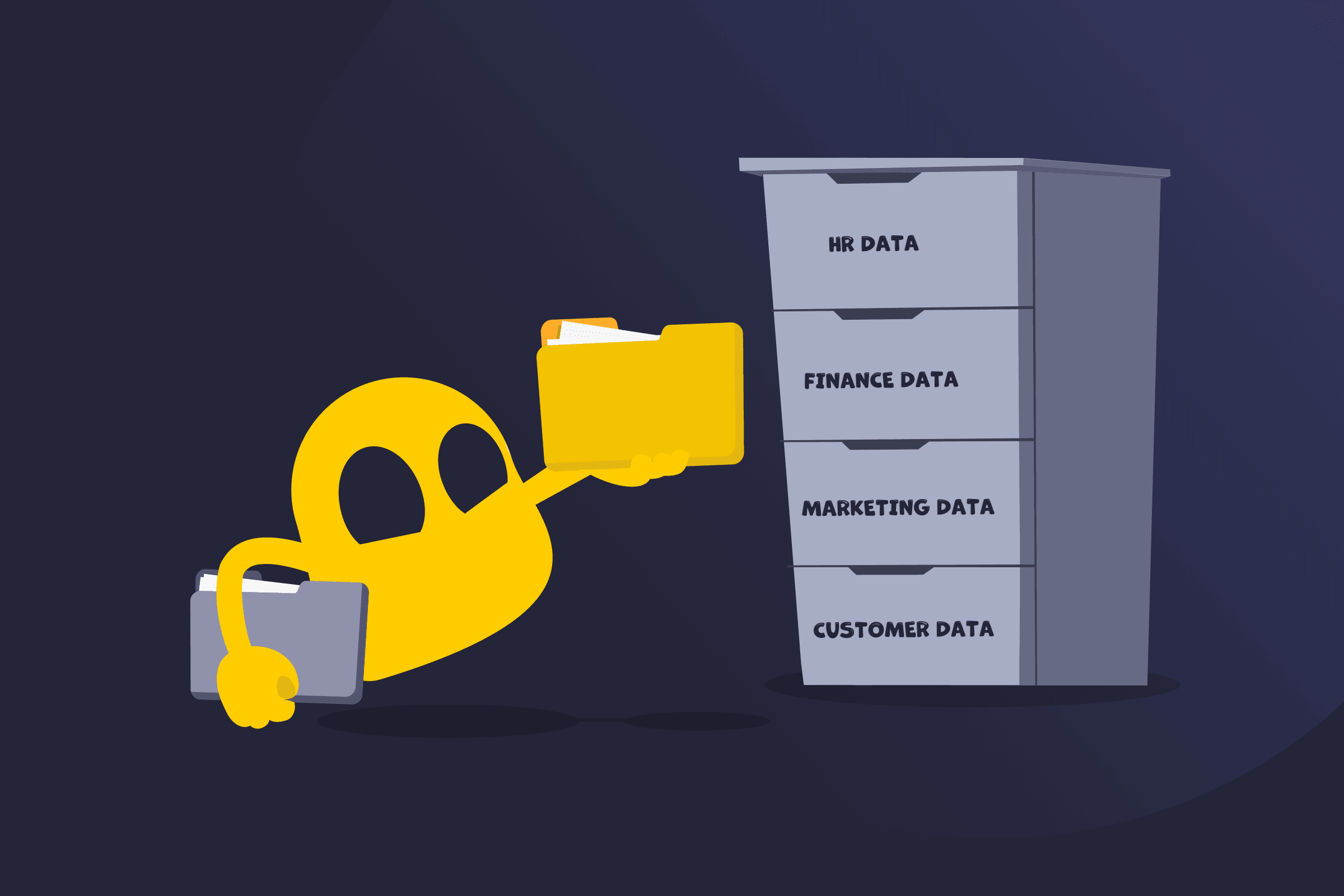
Data segregation is the practice of organizing data into distinct groups based on criteria such as purpose, priority, sensitivity, and access level. Instead of storing all data together, organizations divide it into clearly defined categories or environments to improve security, management, and compliance.
Data segregation is an important part of modern cybersecurity and data governance. By separating data into controlled environments, organizations reduce the likelihood of widespread exposure during a breach. It also ensures that helps ensure users only access the information necessary for their role, supporting the principle of least privilege and helps strengthen overall system security.
Types of Data Segregation
- Physical segregation: Stores data on separate hardware or devices (e.g., different servers or data center storage systems).
- Logical segregation: Uses software controls such as databases, schemas, or access permissions within the same infrastructure.
- Network segregation: Divides systems into separate network segments with controlled access between them.
Examples of Data Segregation
- Departmental data separation: HR, finance, and marketing data stored in separate systems or folders.
- Cloud environments: Multi-tenant platforms are designed to isolate customer data so users can only access their own information.
- Healthcare systems: Doctors, nurses, and lab staff access only relevant patient data.
- Banking systems: Different departments (loans, credit cards, investments) access only the data they need.
Read More
FAQ
Data segregation makes data retrieval more efficient and helps improve data security and privacy in storage. Restrictions can be applied to the data, meaning it’s less vulnerable to unauthorized access or accidental exposure. It also helps meet data protection standards.
Data segregation focuses on controlling access by separating data into distinct groups or environments, while data encryption protects data by converting it into an unreadable format. Segregation determines who can access the data, and encryption ensures that even if accessed, the data remains protected. Both methods are often used together for stronger security.
Implementing data segregation can increase system complexity and require additional resources to manage separate environments. It may also create challenges when integrating or sharing data across systems. Without careful planning, over-segmentation can lead to inefficiencies, slower workflows, and higher operational costs.
 45-Day Money-Back Guarantee