
Distorting Proxy
Distorting Proxy Definition
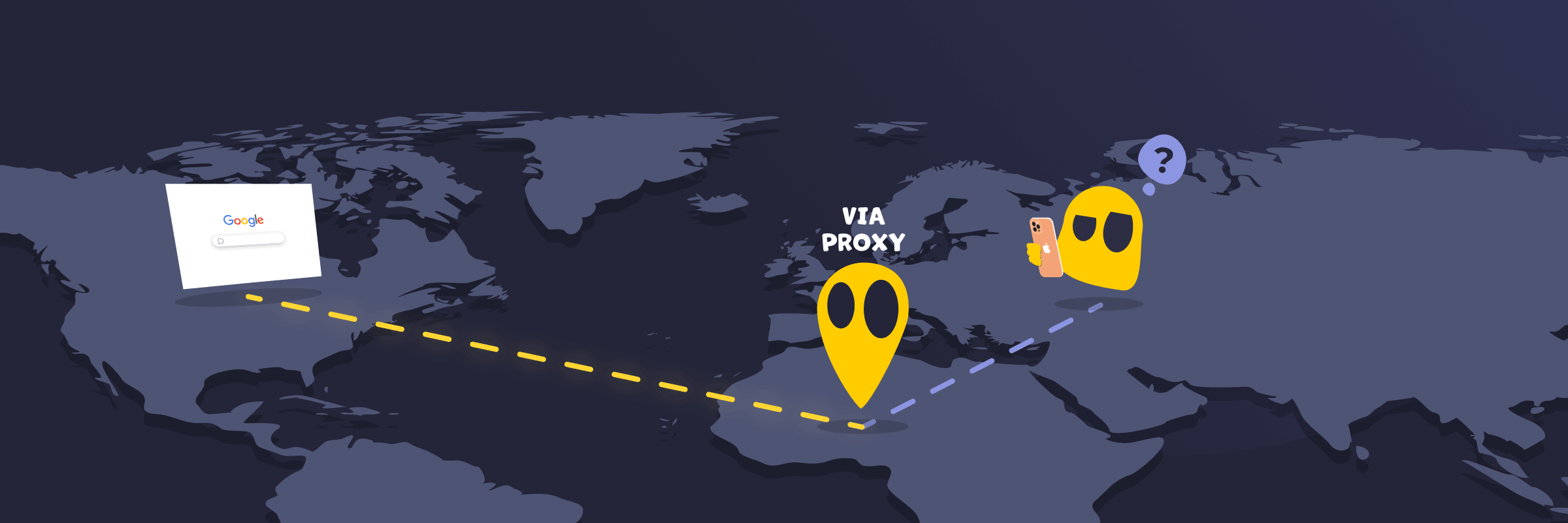
A distorting proxy is a type of proxy server that hides the client’s real IP address by replacing it with a false one. Unlike a transparent proxy, which forwards the client's original IP address, a distorting proxy reports an incorrect or misleading client IP through proxy-related headers. This allows the destination server to detect that a proxy is being used without revealing the client's actual IP address.
How a Distorting Proxy Works
A distorting proxy receives requests from a client and forwards them to the destination server on the client's behalf. As part of this process, it identifies itself as a proxy server but replaces the client's original IP address in proxy-related headers with an incorrect or misleading value.
The destination server processes the request and returns its response to the proxy, which then forwards it to the client. Because the server communicates with the proxy rather than directly with the client, it doesn’t receive the client's actual IP address, although it can typically detect that a proxy is being used.
Benefits of a Distorting Proxy
- Improved privacy: A distorting proxy swaps a real IP address for a false one, so websites have a harder time tracking a user’s location or activity.
- Localized browsing: Showing an IP from another area lets a user test how a site appears to local visitors there.
- Stronger security: A user’s traffic goes through a middleman server, so the visited sites can’t see real network details directly.
Risks of a Distorting Proxy
- Easy detection: Websites can tell a proxy is in use and may slow, limit, or block the connection as a result.
- Provider dependence: A poorly run or untrustworthy provider could log activity or expose data.
- Free proxy risks: Many free distorting proxies lack encryption, run slowly, or are operated by bad actors who inject ads or malware.
Read More
FAQ
Legality depends on how you use it. In most places, using a distorting proxy is legal when it’s for improving privacy or other legitimate purposes like conducting market research or testing security. Breaking a website’s terms of service or accessing illegal content can still lead to consequences, no matter which tool you use.
Yes, you can, but it’s risky. Free proxies often lack encryption, which can leave your data exposed to anyone watching the connection. Some are run by bad actors who log your activity, inject ads, or even spread malware. They also tend to be slow and unreliable, and shared free IPs are blocked more often because of other users’ behavior.
The difference comes down to what each proxy reveals. A transparent proxy passes along your real IP, so it gives no anonymity. A distorting proxy admits a proxy is in use but reports a false IP, hiding your location. An elite (high-anonymity) proxy hides both your IP and the fact that a proxy is used at all.
 45-Day Money-Back Guarantee