
DNS Round-Robin
DNS Round-Robin Definition
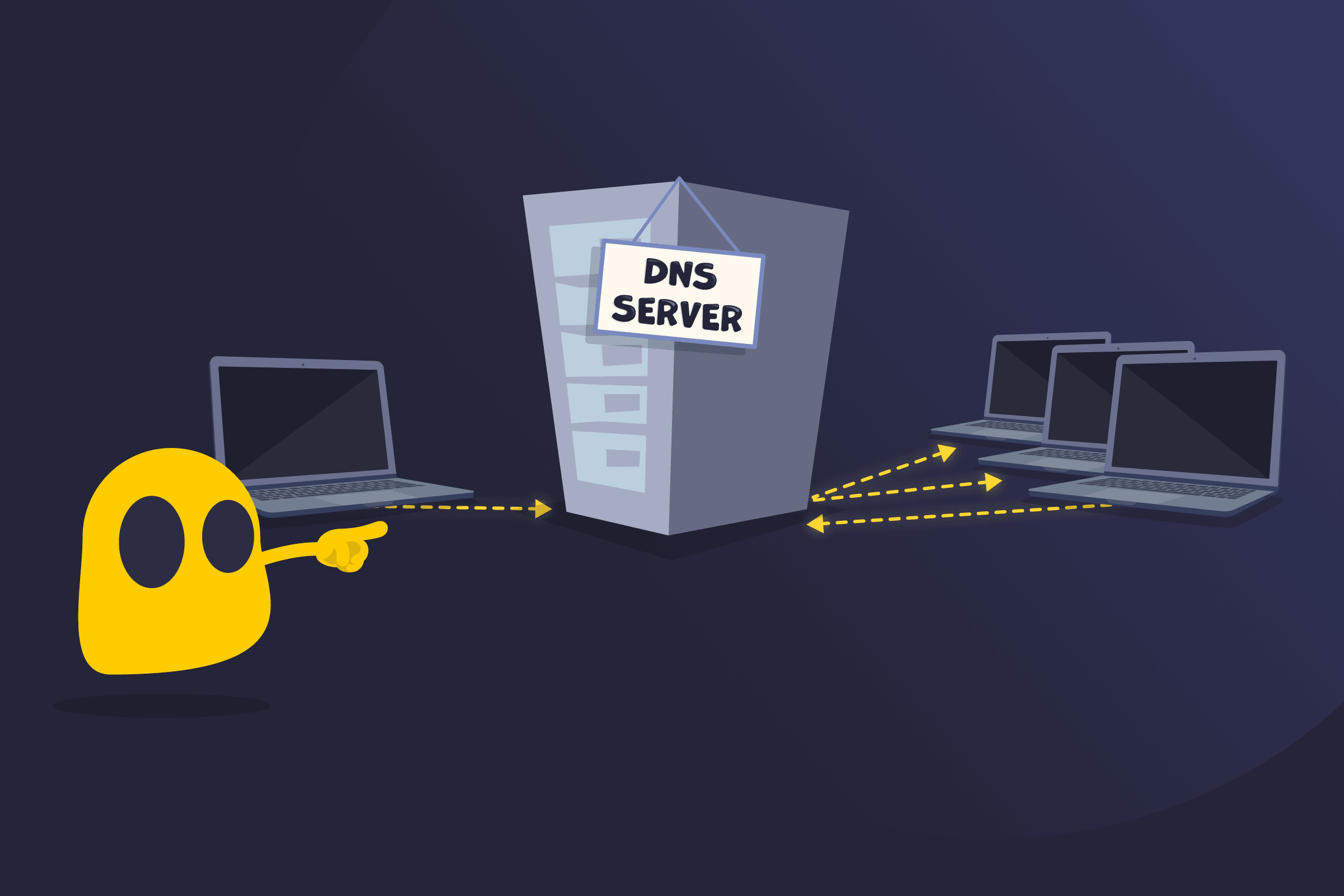
DNS round-robin is a method of distributing traffic by assigning multiple IP addresses to a single domain name. When users request that domain, the DNS server cycles through the available addresses so different servers respond to different requests. By spreading traffic across several machines, DNS round-robin can reduce server overload and help websites or applications remain responsive during periods of high demand. While it’s simpler than dedicated load-balancing tools, it’s still widely used to share traffic across identical services.
How DNS Round-Robin Works
DNS round-robin relies on storing multiple IP addresses for the same domain, usually using several DNS A records. When someone tries to access the domain, the DNS server returns one of these IP addresses. With each new request, the order of the addresses rotates, directing different users to different servers. This distributes incoming traffic across multiple machines without requiring additional load-balancing infrastructure.
For example, imagine a domain linked to three servers. The first DNS response may return the address of Server A. The next user may receive Server B, followed by Server C. After the final address is returned, the sequence starts again.
However, distribution isn’t always even. DNS caching by browsers, operating systems, and resolvers can cause some users to connect to the same server repeatedly.
Pros of DNS Round-Robin
- Distributes traffic across servers: It can lower the chance of overload on a single server.
- Improves basic availability: If one server becomes overloaded, other servers in the rotation can continue handling requests.
- Simplifies deployment: DNS round-robin can usually be configured directly in DNS settings without additional infrastructure.
- Reduces implementation costs: It often avoids the need for dedicated load-balancing hardware or software.
Cons of DNS Round-Robin
- Relies on DNS caching behavior: Browsers, operating systems, and DNS resolvers often cache DNS responses. This may cause some users to repeatedly connect to the same server.
- Lacks built-in server health monitoring: DNS round-robin doesn’t automatically check whether servers are online or functioning properly.
- Provides limited traffic control: It can’t adjust traffic based on server load, response time, or capacity.
When DNS Round-Robin Is Used
Organizations often use DNS round-robin for:
- Websites with moderate traffic
- Web applications hosted on multiple machines
- Services that need basic load sharing without deploying dedicated load-balancing infrastructure
However, DNS round-robin alone doesn’t provide real-time traffic monitoring or automatic failure detection. Because of this, larger platforms often combine it with other tools such as load balancers, health checks, or DNS failover systems. These technologies can detect server outages and redirect traffic when problems occur.
Read More
FAQ
By cycling through multiple IP addresses, DNS round-robin can spread requests across more than one server, which may improve responsiveness during busy periods. Because distribution depends on caching and resolver behavior, it isn’t always perfectly even. It doesn’t automatically remove offline servers, so additional measures are often needed for tighter reliability.
However, DNS round-robin can help spread the workload more evenly, reducing the risk of a single server becoming overloaded. It’s commonly used for websites, cloud services, and applications that need basic traffic distribution without complex load-balancing infrastructure.
Not entirely. DNS round-robin distributes requests by rotating through multiple IP addresses, but it doesn’t monitor server performance or adjust traffic based on load. Because DNS responses are cached by devices and networks, some users may repeatedly connect to the same server. For more precise load balancing, organizations often combine DNS round-robin with dedicated load balancers or health-checking systems.
If one server fails, the DNS system may still return its IP address until the DNS record is updated or removed. This means some users could be directed to a server that is offline, causing connection errors. To reduce this risk, many organizations use additional tools such as DNS failover, health monitoring, or load balancers that automatically remove unavailable servers from the rotation.
 45-Day Money-Back Guarantee