
Exterior Gateway Protocol
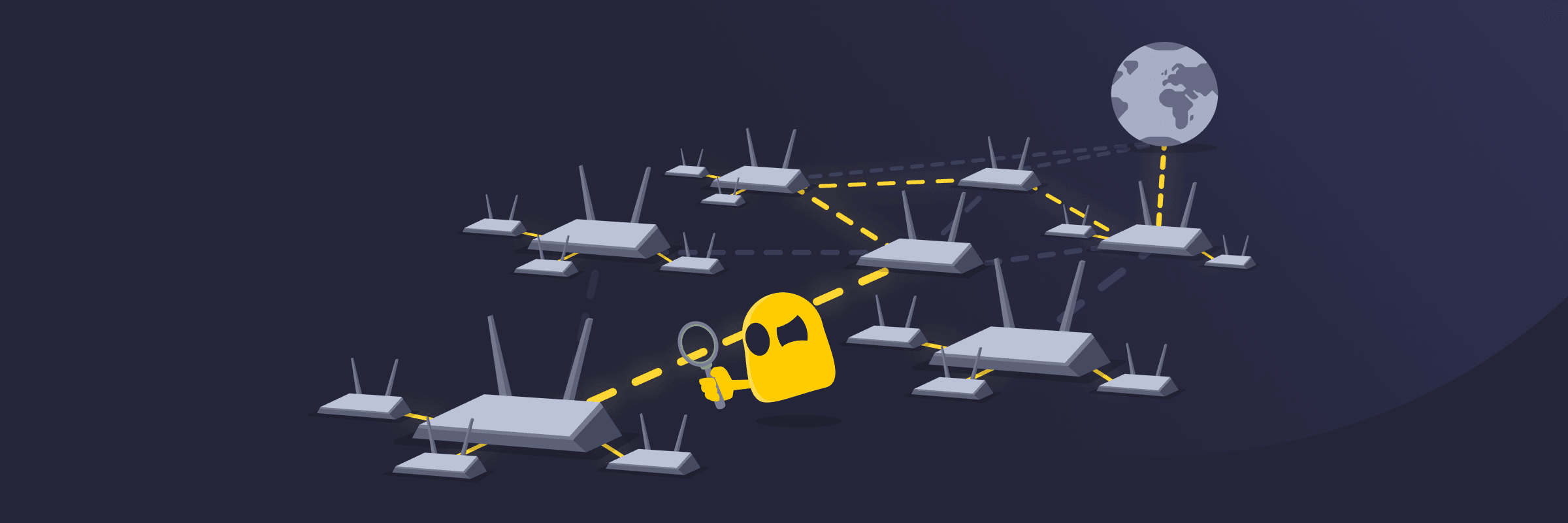
Exterior Gateway Protocol Definition
Exterior Gateway Protocol (EGPs) is a IP routing protocol used to exchange routing information between separate networks, known as autonomous systems (ASes). The term can refer to either the general class of inter-domain routing protocols or to the original protocol named Exterior Gateway Protocol (EGP), which has been replaced by the Border Gateway Protocol (BGP).
How Exterior Gateway Protocol Works
Exterior gateway protocols allow routers in different autonomous systems to exchange reachability information. Routers establish neighboring relationships, advertise which networks they can reach, and use that information to determine how traffic should travel between autonomous systems.
The original EGP protocol primarily advertised network reachability but couldn’t calculate optimal paths through complex network topologies. Modern exterior routing is almost entirely performed by BGP, which uses path-vector routing and routing policies to exchange routes across the Internet.
History of the Exterior Gateway Protocol
The EGP was one of the first widely used standardized protocols of its kind, specified under RFC 904 (1984). It was originally developed to advertise router reachability between ASes and the Advanced Research Projects Agency Network (ARPANET), an early precursor to the modern Internet. As an early inter-domain routing protocol, EGP lacked rules for computing optimal paths between ASes and had scalability limitations.
Advantages of the Original Exterior Gateway Protocol
- Standardization: Provided a common method for exchanging routing information between ASes.
- Connectivity: Helped connect early Internet networks to enable inter-domain communication.
- Simplicity: Required minimal configuration and was easy to manage in centrally controlled networks.
Disadvantages of the Original Exterior Gateway Protocols
- Inefficient routing: Lacked support for sophisticated routing policies that enable optimal path selection.
- Poor scalability: Centralized control hampered scalability, especially in distributed networks such as the internet.
- Rigid topology: Only worked for a tree-like topology, not for a multipath network architecture.
Read More
FAQ
Historically, the original Exterior Gateway Protocol (EGP) was used to exchange routing information between autonomous systems. Today, the Border Gateway Protocol (BGP) is the standard exterior gateway protocol used on the Internet.
IGPs exchange routing information and determine optimal paths between routers that share a single administrative domain. They serve a similar function to EGPs but handle routing within a single autonomous system rather than between different ones.
The term EGP may refer either to the original routing protocol or to the broader class of exterior gateway protocols. BGP is a specific exterior gateway protocol and is the standard protocol used for inter-domain routing on the modern Internet.
 45-Day Money-Back Guarantee