
Frape
Frape Definition
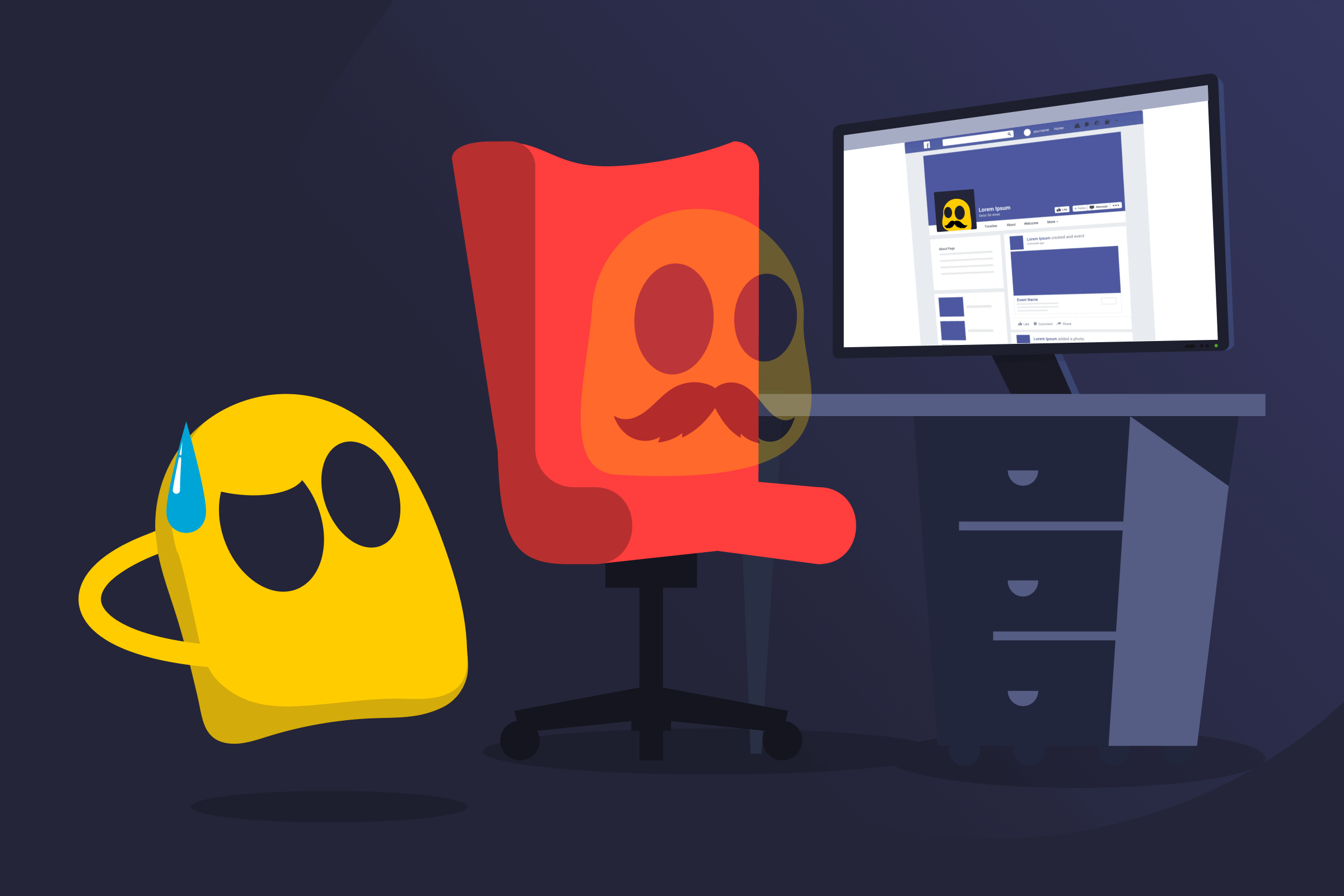
Frape (sometimes spelled “frapeage”) is an informal slang term used to describe accessing and altering someone’s social media account without their permission. The term became popular in connection with Facebook, where it was commonly used to describe posting from a friend’s account as a prank.
Although it is often associated with Facebook, the behavior can occur on any social media platform. This usually involves posting content, changing profile details, or sending messages while the account owner is unaware. Even when framed as a joke between friends, frape itself still involves unauthorized account access and can undermine privacy and trust.
How Frape Works
Fraping typically occurs when someone gains access to a social media account that has been left logged in on a shared device or when login details have been shared casually. Unlike traditional hacking, it usually does not involve bypassing technical security measures. Instead, the person takes advantage of existing access to post updates, edit information, or message others. Although it’s often described as a prank, it still involves unauthorized account use and is considered a form of account hijacking.
Common Examples of Frape Activity
- Profile edits: Changing a name, bio, or profile photo to something the owner didn’t choose.
- Public posts: Writing a post or status update from someone else’s account without asking.
- Private messages: Sending messages to friends or contacts while posing as the account owner.
- Personal details: Altering settings like relationship status or basic personal info.
Read More
FAQ
No, it’s not. Hacking usually refers to bypassing technical security measures to gain access to an account. Fraping involves using access that was already available, such as an unlocked phone or a shared login session, without permission.
It depends. In many cases, fraping breaks platform rules, not the law. It may become illegal if it involves threats, harassment, or real harm. The outcome is based on the situation and local laws.
No. Although the term became popular in connection with Facebook, the behavior can occur on any social media platform where someone leaves an account open or shares access.
You can avoid fraping by keeping your accounts private and secure. You should always log out of your accounts on shared devices and keep your login details private. These simple habits lower the chance of someone using your account without approval.
 45-Day Money-Back Guarantee