
ILOVEYOU
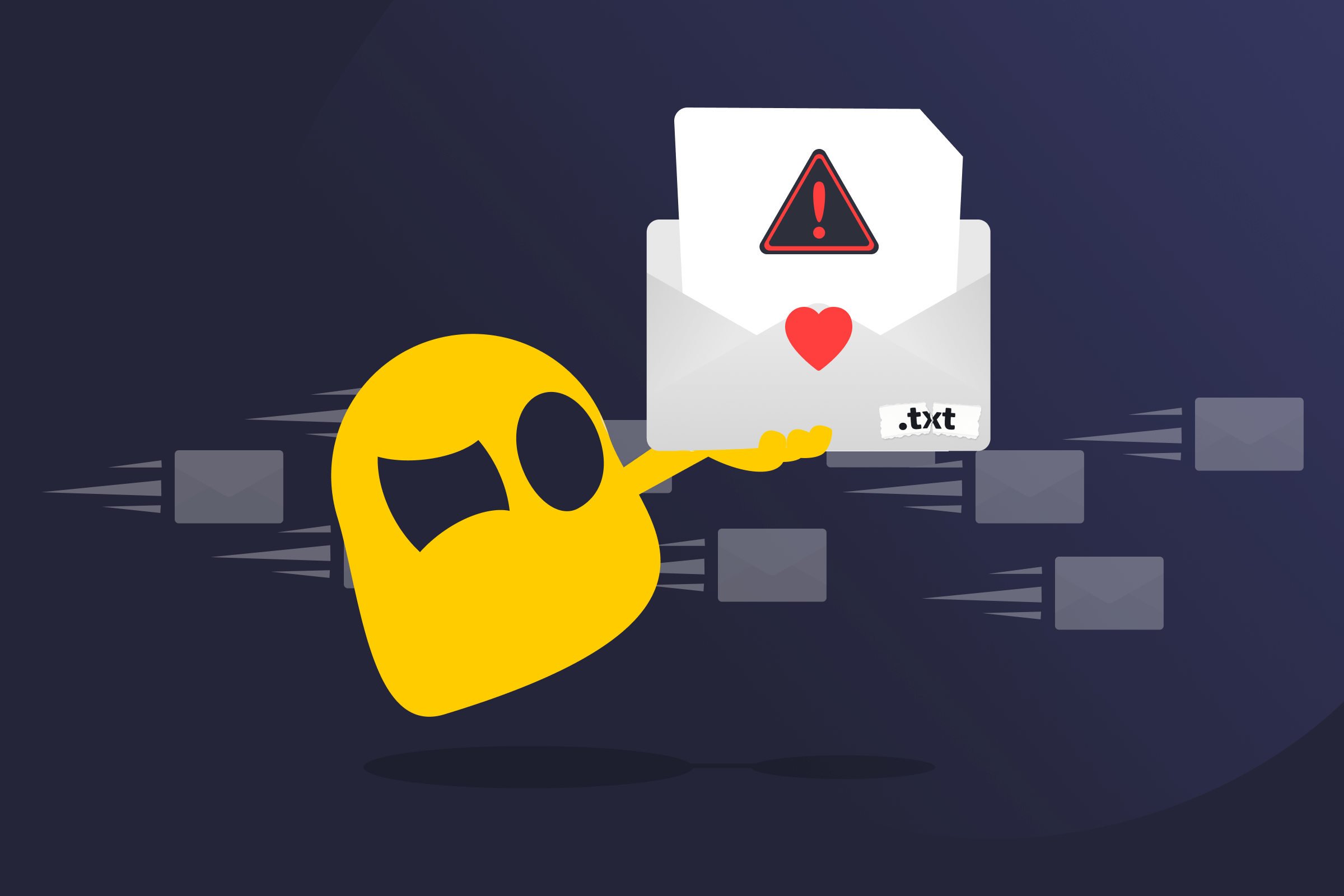
ILOVEYOU Definition
ILOVEYOU is a computer worm that spread through email in May 2000, primarily affecting Microsoft Windows systems that used Microsoft Outlook. Also known as the Love Bug or Love Letter, it became one of the most widespread malware outbreaks of the early internet era. Although many people call it a virus, ILOVEYOU was technically a worm, as it could spread itself from one system to another after a single file was opened.
How ILOVEYOU Worked
ILOVEYOU arrived as an email with a subject line “ILOVEYOU,” containing a file attachment that appeared to be a harmless text document. In reality, the attachment was a script file. On many Windows systems at the time, file extensions were hidden by default, so users saw what looked like a simple “.txt” file instead of a script.
When someone opened the file, the script ran automatically. It searched the victim’s Microsoft Outlook address book and sent copies of itself to every contact. Since the email came from a familiar address, the recipients were more likely to open it and click on the script file attached.
The worm also modified or overwrote certain files on the infected computer, including images, music files, and scripts, making them unusable. In some cases, it downloaded additional malicious programs and changed system settings. As it spread across offices and government networks, organizations had to shut down email systems to stop further infections, causing major disruption. The cleanup process took significant time and cost millions of dollars globally.
How the ILOVEYOU Outbreak Was Stopped
- Antivirus companies released updated virus definitions to detect and remove the worm from infected computers.
- Email providers and workplaces introduced filtering rules to block similar attachments.
- Security warnings were shared widely to alert users not to open suspicious files.
- Investigations traced the worm’s origin, though legal action was limited due to gaps in cybercrime laws at the time.
Read More
FAQ
ILOVEYOU was linked to Onel de Guzman, a computer student in the Philippines. Investigators traced the worm to him shortly after the outbreak. However, local laws at the time didn’t clearly criminalize this type of cyber activity, so no formal charges were filed.
ILOVEYOU mainly affected Windows computers that used Microsoft Outlook for email. Home users, businesses, and government offices were all impacted. Any system that opened the attachment and used Outlook contacts could help spread the worm further.
The original ILOVEYOU worm wouldn't spread the same way today. Email services now warn users about risky files and block many dangerous messages before they arrive. Antivirus software also spots this type of threat much faster.
However, similar attacks still exist. Instead of fake love letters, attackers now use links or files that pretend to be invoices, delivery updates, or account alerts.
The attachment appeared to be a simple text file because of its name. It included “.txt,” which made people think it was safe to open. On many Windows systems, the real file ending stayed hidden, so users couldn’t see that it was actually a script.
In most cases, no. The worm overwrote files instead of just hiding them, which made recovery very difficult. People who had backups could restore their data, but many home users didn't. Once the files were replaced, they were usually lost for good.
 45-Day Money-Back Guarantee