
Intelligent Network
Intelligent Network Definition
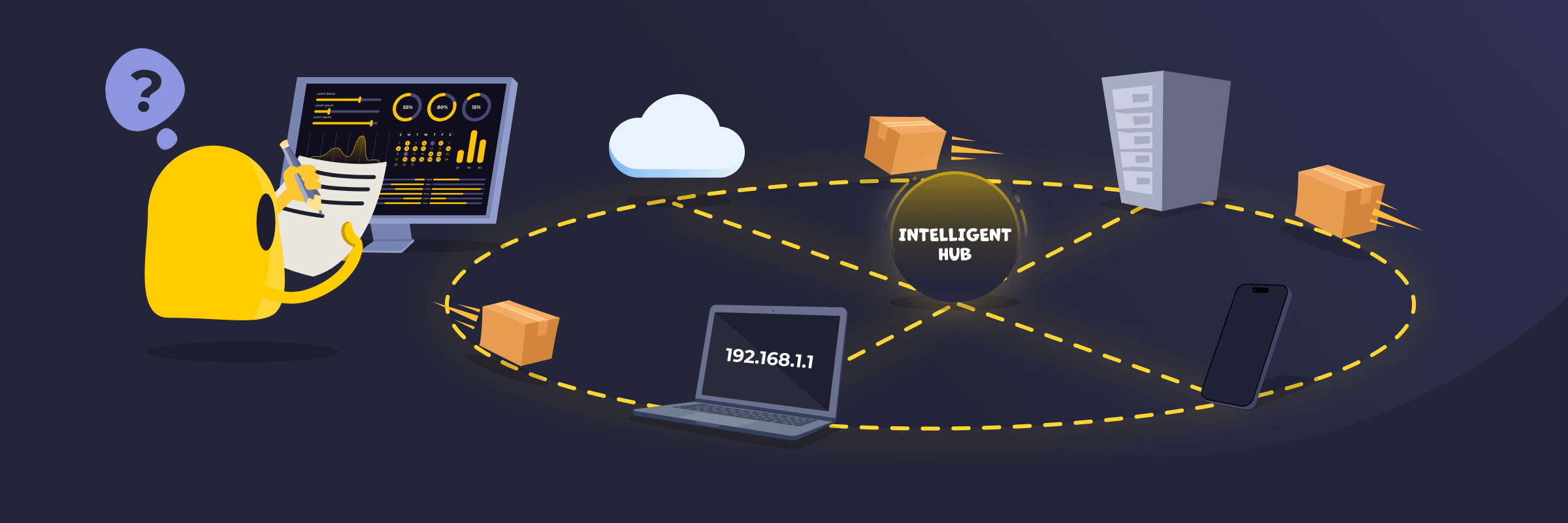
An intelligent network is a communication network that uses software, automation, analytics, and sometimes artificial intelligence to manage and optimize network activity automatically. It can monitor traffic, improve performance, detect issues, and adjust network resources in real time with less need for manual control.
How an Intelligent Network Works
An intelligent network collects and analyzes real-time network data to keep systems running efficiently. It can automatically route traffic, balance workloads, prioritize important data, and respond to connection problems as they happen. Some intelligent networks also use artificial intelligence and machine learning to identify patterns, predict potential issues, and improve network performance over time.
Types of Intelligent Networks
- AI-powered networks: Use artificial intelligence and machine learning to analyze network activity, detect unusual behavior, predict issues, and improve performance automatically over time.
- Cloud-intelligent networks: Help manage data and applications across cloud environments. They can balance workloads automatically and improve connection reliability between users and cloud services.
- IoT intelligent networks: Support connected smart devices such as sensors, cameras, and smart home systems. They help devices communicate efficiently while handling large amounts of real-time data.
- Self-healing networks: Can automatically detect connection failures or system issues and reroute traffic to reduce downtime and maintain stable network performance.
Benefits of Intelligent Networks
- Better network performance: Intelligent networks can monitor traffic in real time and adjust data routes automatically to reduce congestion and improve connection stability.
- Improved automation: These networks automate many network management tasks, which reduces manual work and helps systems operate more efficiently.
- Stronger security monitoring: Intelligent networks can detect suspicious activity, unusual traffic patterns, and potential cyber threats as they happen.
- Reduced downtime: Some intelligent networks can automatically reroute traffic during outages or connection failures to help keep services running.
Challenges of Intelligent Networks
- Complex management: Intelligent networks can be harder to set up and manage because they rely on advanced software and automation.
- Security risks: Connected devices and automated systems can create more opportunities for cyber threats and security vulnerabilities.
Intelligent Network vs Traditional Network
An intelligent network can automatically monitor traffic, adjust performance, detect issues, and manage resources using software and automation. A traditional network relies more on fixed hardware settings and manual management, which makes it less flexible and slower to respond to changing network conditions.
How to Make the Most of Intelligent Networks
- Monitor network performance regularly.
- Use automation tools to manage traffic efficiently.
- Keep network software updated.
- Detect and fix issues quickly.
- Protect the network with strong security settings.
- Use real-time data to improve performance.
Read More
FAQ
Yes, some intelligent networks use artificial intelligence and machine learning to analyze network activity, detect unusual behavior, predict issues, and improve performance automatically. However, not all intelligent networks rely on AI, as some use standard automation and software-based management instead.
Yes, intelligent networks are important for 5G technology because they help manage large amounts of data traffic, connected devices, and real-time communication more efficiently. They also support automation, traffic optimization, and low-latency performance, which are key features of 5G networks.
Automation helps intelligent networks manage tasks without constant manual control. It can automatically monitor traffic, adjust network performance, detect issues, reroute data, and respond to changing network conditions in real time.
 45-Day Money-Back Guarantee