
Internet Routing
Internet Routing Definition
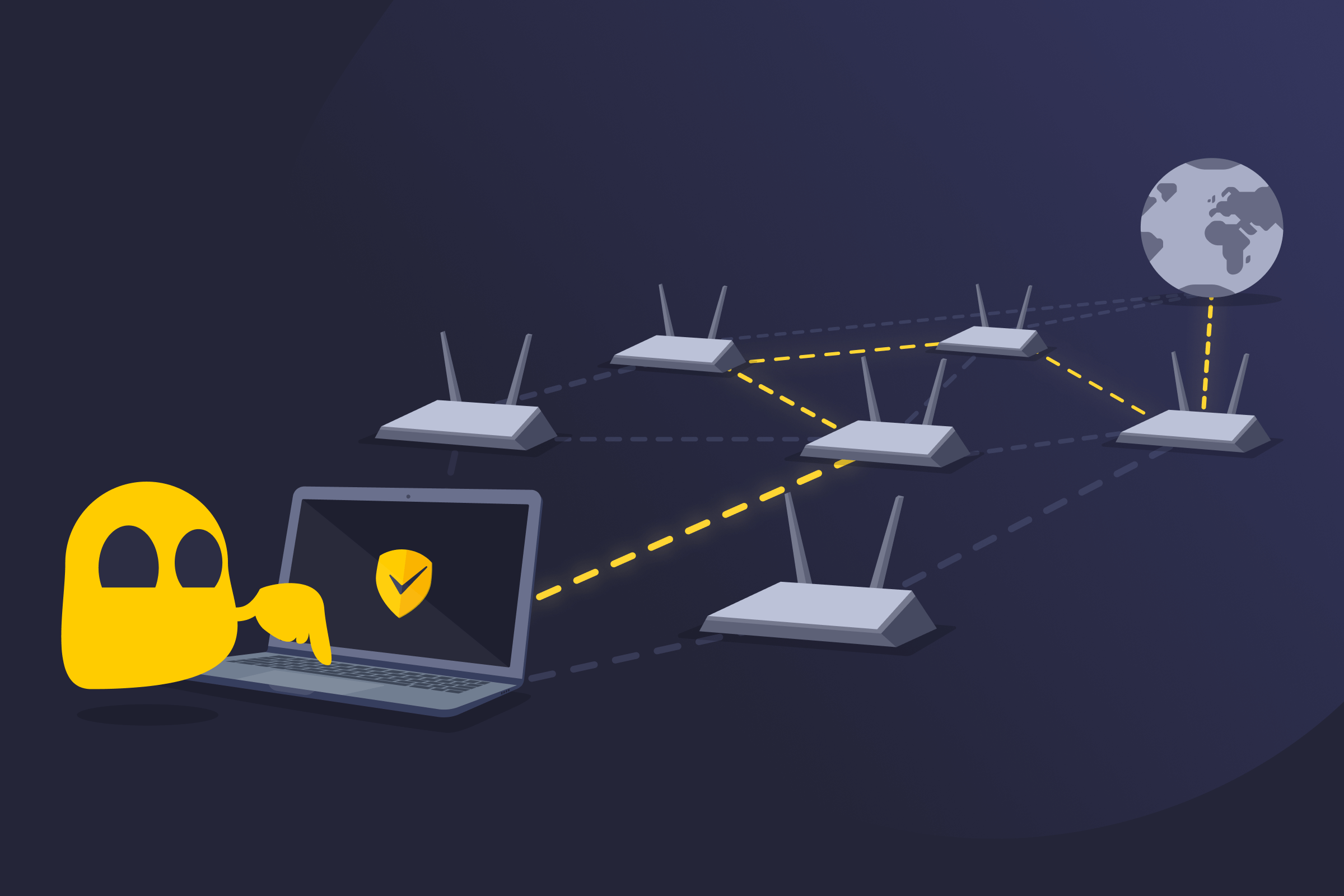
Internet routing is a process of directing data packets from a source to a destination across the internet. Routers forward packets from one network to the next, using routing information and rules to determine the path. This helps data travel efficiently, though the exact routes packets follow can change due to congestion, outages, performance issues, or network policies.
How Internet Routing Works
When data is sent over the internet, it’s split into smaller units called packets. Each packet includes addressing information that tells networks where it needs to go. Routers read this information and consult routing tables to decide the next hop, forwarding packets from one router to the next until they reach their destination. The chosen path depends on routing policies and available routes, so packets may take different routes if network conditions change.
Types of Internet Routing
- Static routing: Uses manually configured routes that stay the same until an administrator updates them. This approach is typically used when routes are predictable and change infrequently.
- Dynamic routing: Uses routing protocols to automatically discover and update routes as network conditions change. This is common in larger networks, where paths may change due to outages, policy changes, or connectivity updates.
- Default routing: Uses a “catch-all” route for traffic that doesn’t match a more specific entry in the routing table, sending it to a predefined next hop (such as a gateway).
Internet Routing Protocols
Internet routing protocols are a set of rules routers use to select the best path for forwarding packets. They are commonly grouped into:
- Distance vector protocols: Routers share route information with neighboring routers and choose a next hop based on metrics, like hop count (the number of routers a packet has to pass through).
- Link-state protocols: Networks exchange detailed information about network links so each router can build a full map of the network. Open Shortest Path First (OSPF) uses a configurable cost metric to choose routes.
- Path vector protocols: Routers distribute information about paths between different networks to guide routing decisions and avoid loops. Border Gateway Protocol (BGP) is the standard way internet service providers route traffic between Autonomous Systems (AS).
Read More
FAQs
Internet routing isn’t fully secure by default. It relies on trust between networks, which can make it vulnerable to threats like traffic interception, route hijacking, and DDoS attacks if safeguards aren’t in place. Some networks reduce the risk through route filtering and validation methods such as Resource Public Key Infrastructure (RPKI)-based checks to spot suspicious routing updates. Encryption (for example, TLS or VPNs) can protect the contents of data in transit, but it doesn’t prevent routing attacks on its own.
It acts as a default route. The prefix 0.0.0.0/0 matches any destination that doesn’t have a more specific route, sending traffic to a predefined next hop.
Internet routing can be improved by adding capacity, keeping routing software and policies up to date, and adding backup paths so traffic can be rerouted if a link fails or gets congested. Local peering can also shorten paths and reduce delays, and coordinating between networks helps reduce configuration mistakes.
Yes. Networks can adjust routing policies and use traffic engineering to achieve lower latency for real-time services or higher reliability for critical systems, depending on the network design and its requirements.
 45-Day Money-Back Guarantee