
Internet Telephony
Internet Telephony Definition
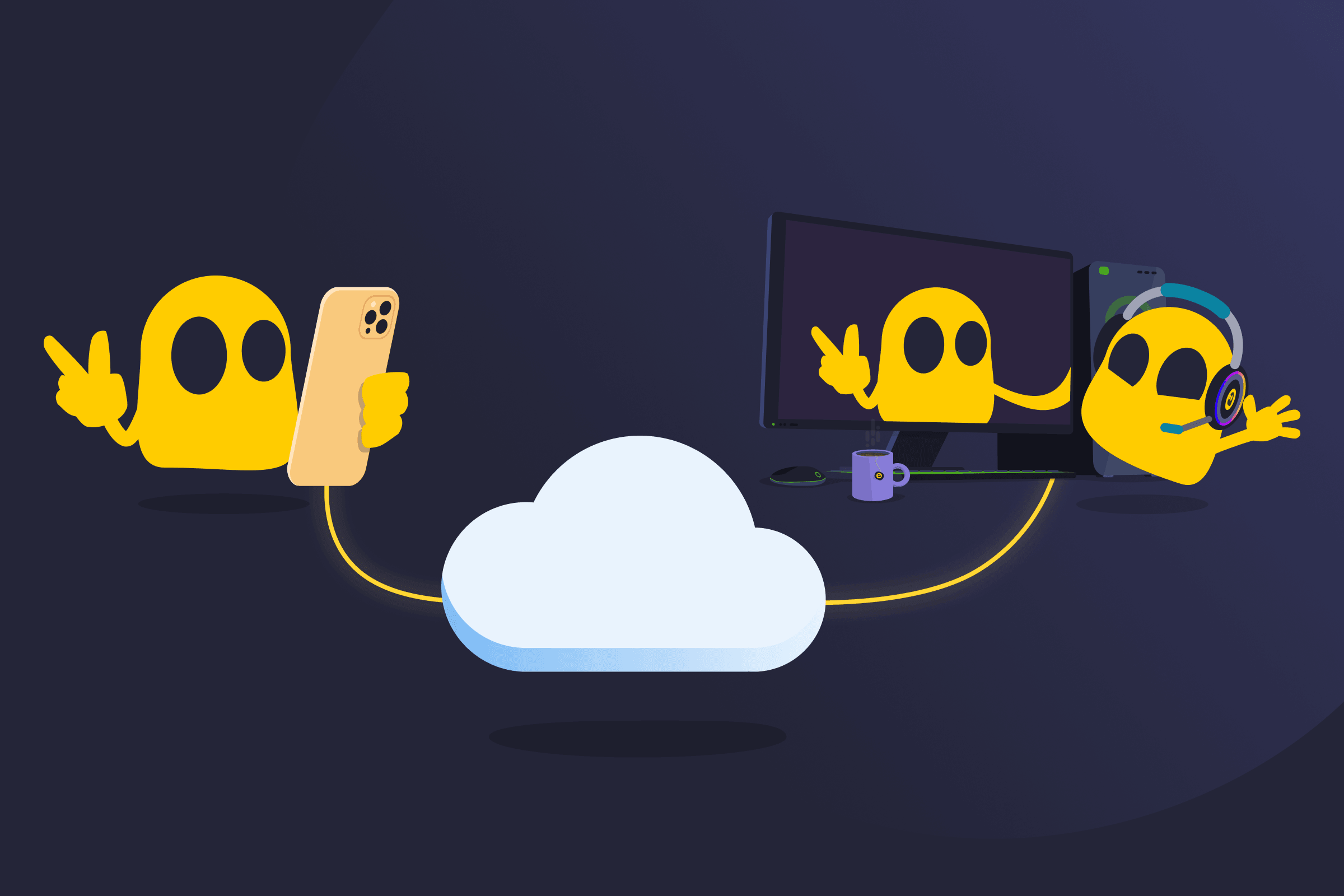
Internet telephony is a digital communication technology that converts voice, text, and fax signals into data packets for transmission over IP networks. By turning communication into digital data sent over online networks, it’s possible to use phone services without traditional landlines.
How Internet Telephony Works
Internet telephony works by using Voice over Internet Protocol (VoIP) to turn a voice into digital data packets that travel over the web. When a person speaks, their analog voice signal is compressed into digital packets that are routed across the internet to the receiver. Once they arrive, the system reassembles and decompresses them back into audio.
This process happens in real time and relies heavily on a stable, low-latency connection to prevent jitter or dropped calls, allowing users to make high-quality calls from any internet-connected device worldwide. The quality of the call depends on the internet connection.
Pros of Internet Telephony
- Lower costs: Often cheaper than traditional phone services and international calls.
- Flexible and scalable: Easy to add or remove users, making it ideal for businesses.
- Supports remote work: Lets users make and receive calls from smartphones or computers anywhere with internet access.
Cons of Internet Telephony
- Dependent on internet quality: Poor connections can lead to low audio quality or interruptions.
- Requires compatible devices or apps: Needs software, hardware, or apps to function properly.
Internet Telephony vs VoIP
These terms are often used interchangeably. Internet telephony is the broader concept of using the internet to provide traditional phone services, while Voice over Internet Protocol (VoIP) is the underlying technology that enables it.
Internet telephony includes features such as voicemail, call forwarding, and faxing, while VoIP converts voice into data packets for transmission. In simple terms, all VoIP is part of internet telephony, but internet telephony includes more than just VoIP.
Read More
FAQ
Internet telephony and VoIP are closely related but not identical. VoIP (Voice over Internet Protocol) is the underlying technology that converts voice into digital data for transmission over the internet.
Internet telephony is the broader service that uses VoIP and can include features like voicemail, call forwarding, messaging, and fax. In simple terms, VoIP powers internet telephony, but internet telephony covers a wider range of communication services.
Yes, a stable and reasonably fast internet connection is important for reliable internet telephony. Call quality depends on factors like bandwidth, latency, and network stability. Weak or unstable connections can lead to delays, jitter, dropped calls, or distorted audio. For the best experience, users should have a consistent connection with low latency and enough bandwidth to handle real-time voice data without interruptions.
Yes, internet telephony offers several advantages for businesses of all sizes. It can reduce communication costs, especially for long-distance or international calls, and supports flexible setups for remote or hybrid teams.
Businesses can easily scale services by adding or removing users without major infrastructure changes. Many systems also include features like call routing, voicemail, and integrations with business tools, helping improve efficiency and communication management.
 45-Day Money-Back Guarantee