
LAN Party
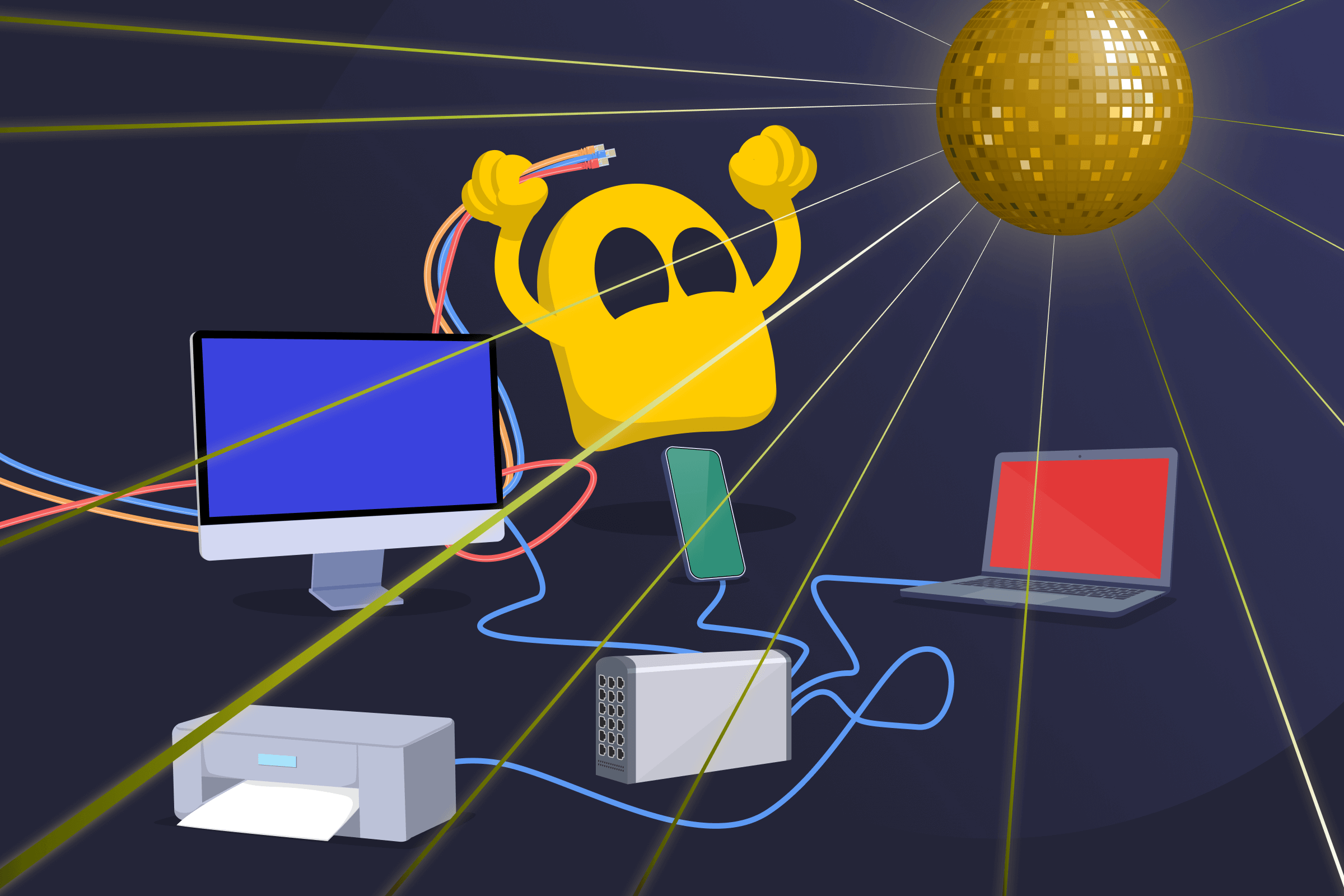
LAN Party Definition
A LAN party is a gaming event where people bring their computers or game consoles to the same location and play multiplayer games on the same local area network (LAN). Everyone is in the same room or building, connected through a shared network instead of playing from home over the internet.
LAN parties became popular in the 1990s, when fast home internet wasn't widely available. Connecting devices locally made multiplayer gaming smoother and more dependable. These events can be small meetups with a few friends or large organized gatherings with hundreds of players. Beyond gaming, some LAN parties also include other shared activities like watching movies or listening to music together.
How a LAN Party Works
At a LAN party, each device connects to a router or network switch. Most setups use Ethernet cables for a stable connection. A player creates a game session, and others on the same network join it. The game uses the local network instead of external servers.
Since the connection remains local, response times are low. Many LAN games work without internet access, as long as all devices are connected and using the same version of the game. Some newer titles may still ask for an online sign-in first.
LAN Party vs Online Gaming
| LAN Party | Online Gaming | |
| Location | Same physical location | Different locations |
| Network | Local network connection | Internet connection |
| Latency | Very low | Depends on internet speed |
| Internet required | Not always required | Required |
| Interaction | Face-to-face | Remote communication |
Examples of the Largest LAN Parties
- DreamHack: Began as a small gathering of friends in Sweden in 1994 and has grown into one of the biggest gaming festivals in the world, now held multiple times a year in locations across the globe.
- QuakeCon: Started in 1996 in the United States and features a bring-your-own-computer format. Fills large halls with players competing side by side.
- The Gathering: Has taken place every year in Norway since 1992, lasts five consecutive days, and attracts more than 5,000 participants annually for local multiplayer gaming.
Read More
FAQ
You need your computer or a gaming console, the games you plan to play, and any required controllers or accessories. Bring a power cable and an Ethernet cable unless the host provides them. A headset can help with communication during matches.
It’s also smart to bring a power strip, a mousepad, and any personal comfort items you may want, such as snacks or a chair cushion. Check with the host in advance to confirm what equipment will be available at the venue.
It depends on the event. Small meetups with friends are typically free. Participants may only share the cost of snacks, drinks, or venue space. Larger public events often charge an entry fee. The price can cover space rental, staff, equipment, and tournament prizes. Costs vary based on the size and format of the event.
Multiplayer titles are the most common. First-person shooters, strategy games, racing games, and sports games are popular choices. These genres work well with direct connections between players. Party games and co-op titles are also common at smaller meetups.
The length depends on the type of event. Small meetups may last a few hours or a full evening. Some groups start in the afternoon and play late into the night. Bigger events can run for an entire weekend. In some cases, they continue for several days with scheduled breaks.
LAN parties are generally safe, especially when hosted by trusted groups or organized events. Public gatherings often have staff, rules, and security in place.
There are still basic risks when connecting to a shared network. Keeping your system updated and using trusted software can help reduce problems. Choose well-known events and follow the host’s rules.
 45-Day Money-Back Guarantee