
Leakware
Leakware Definition
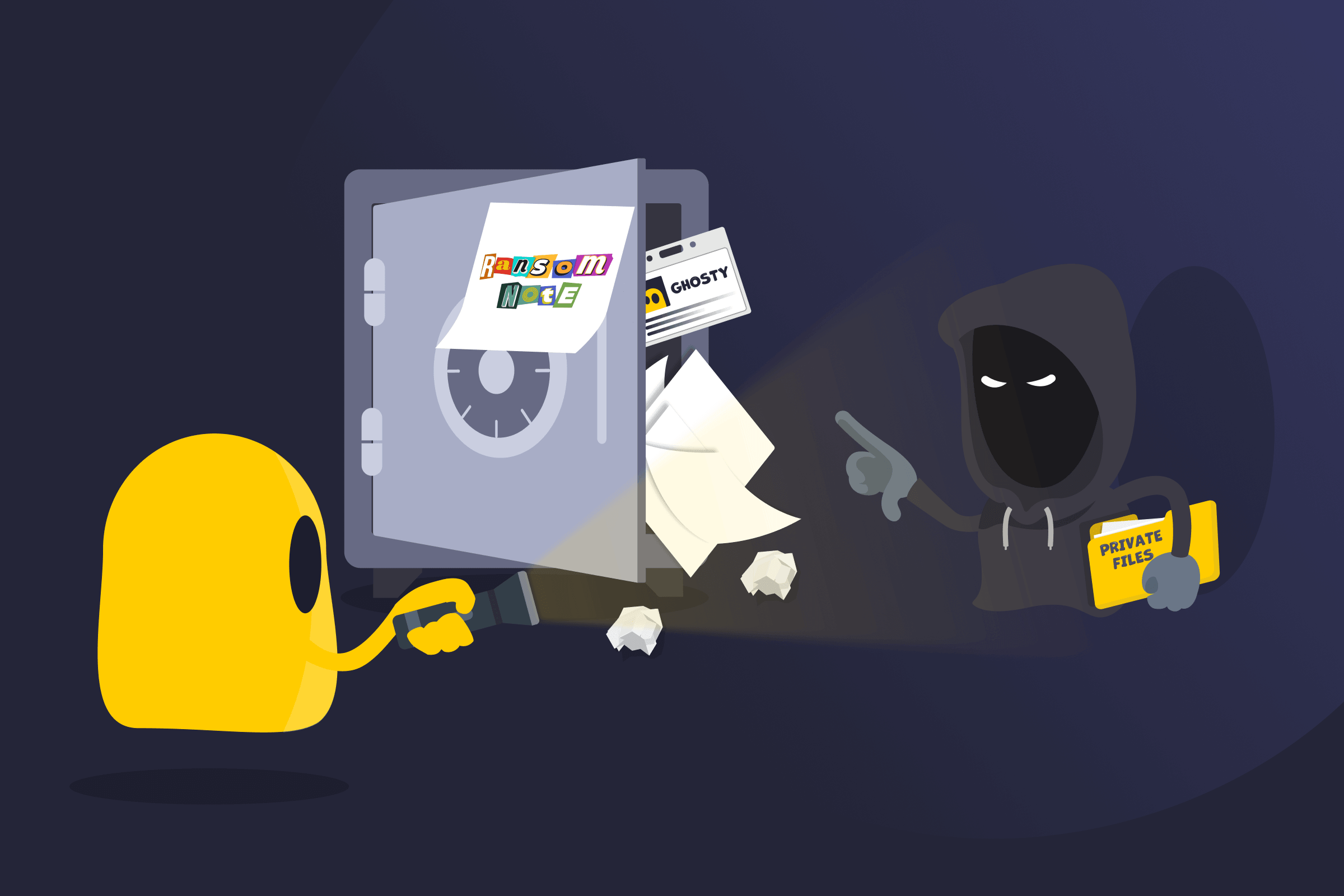
Leakware is a type of ransomware that threatens to release stolen data unless the victim pays a ransom. Instead of only locking files or systems, attackers use the risk of exposing private or sensitive information to pressure victims into paying. The stolen data may include personal records, financial information, login credentials, or confidential company documents.
Because the attack relies on the threat of public exposure, leakware is considered a form of cyber extortion. It’s also sometimes referred to as "doxware" or "extortionware."
How Leakware Works
Attackers first break into a device or network. They often get in using phishing emails, unsafe downloads, stolen passwords, or weak software security. After gaining access, they move through the system and copy files they deem appropriate. The attacker then contacts the victim and demands payment. The message may include a small sample of the stolen files as proof. If the victim doesn’t pay, the attacker can publish or sell the data.
Unlike traditional ransomware, the attacker doesn’t always need to encrypt files. The threat of releasing sensitive data alone may be enough to pressure victims.
Common Targets of Leakware
- Businesses and organizations: Companies store large amounts of internal information, employee records, and customer data.
- Government agencies: Public institutions hold records about citizens, services, and infrastructure. Exposure of this information can cause political and security concerns.
- Healthcare providers: Hospitals and clinics keep patient records and medical information.
- High-profile individuals: Executives, politicians, or other public figures may be targeted because leaked personal information can cause reputational harm.
Risks of Leakware Attacks
- Financial loss: Companies and individuals may lose money from ransom payments, legal costs, and recovery work after an attack.
- Reputation damage: News of an attack can harm how people view a company, organization, or public figure.
- Service disruption: Systems may need to be shut down or investigated, which can disrupt normal operations.
- Legal consequences: Organizations that fail to protect sensitive information may face investigations, fines, or lawsuits.
Read More
FAQ
Leakware is a type of ransomware, but the two terms aren't exactly the same. Traditional ransomware focuses on blocking access to files or systems until a payment is made. Leakware focuses on threatening to publish stolen records if ransom isn’t paid.
Leakware attacks target data that could cause harm if it becomes public. This may include account details, private messages, contracts, financial records, or internal business files. Attackers choose information that could create fear, embarrassment, or serious problems for the victim. The more damaging the data appears, the more pressure attackers can apply.
You can reduce the risk by using safe online habits. Avoid opening email attachments or links from senders you don’t recognize. Use strong, unique passwords for each account and turn on two-factor authentication when it’s available. Keep your devices, apps, and security software up to date. Regular backups can also help limit the damage from an attack. Store backup copies in a separate place so your files are still available if something goes wrong.
Using leakware is illegal in most countries. People who carry out these attacks can face criminal charges, large fines, or prison time. Police and cybersecurity investigators may work together to track the attacker. Victims may also take legal action if the attack caused financial loss or personal harm.
 45-Day Money-Back Guarantee