
Personal VPN
Personal VPN Definition
A personal VPN is a VPN service made for individual use, not for businesses or organizations. It’s used by one person to protect personal internet activity across personal devices. Unlike business VPNs, a personal VPN doesn’t provide access to a private company network. It connects the user to the public internet while keeping online identity and activity private.
How a Personal VPN Works
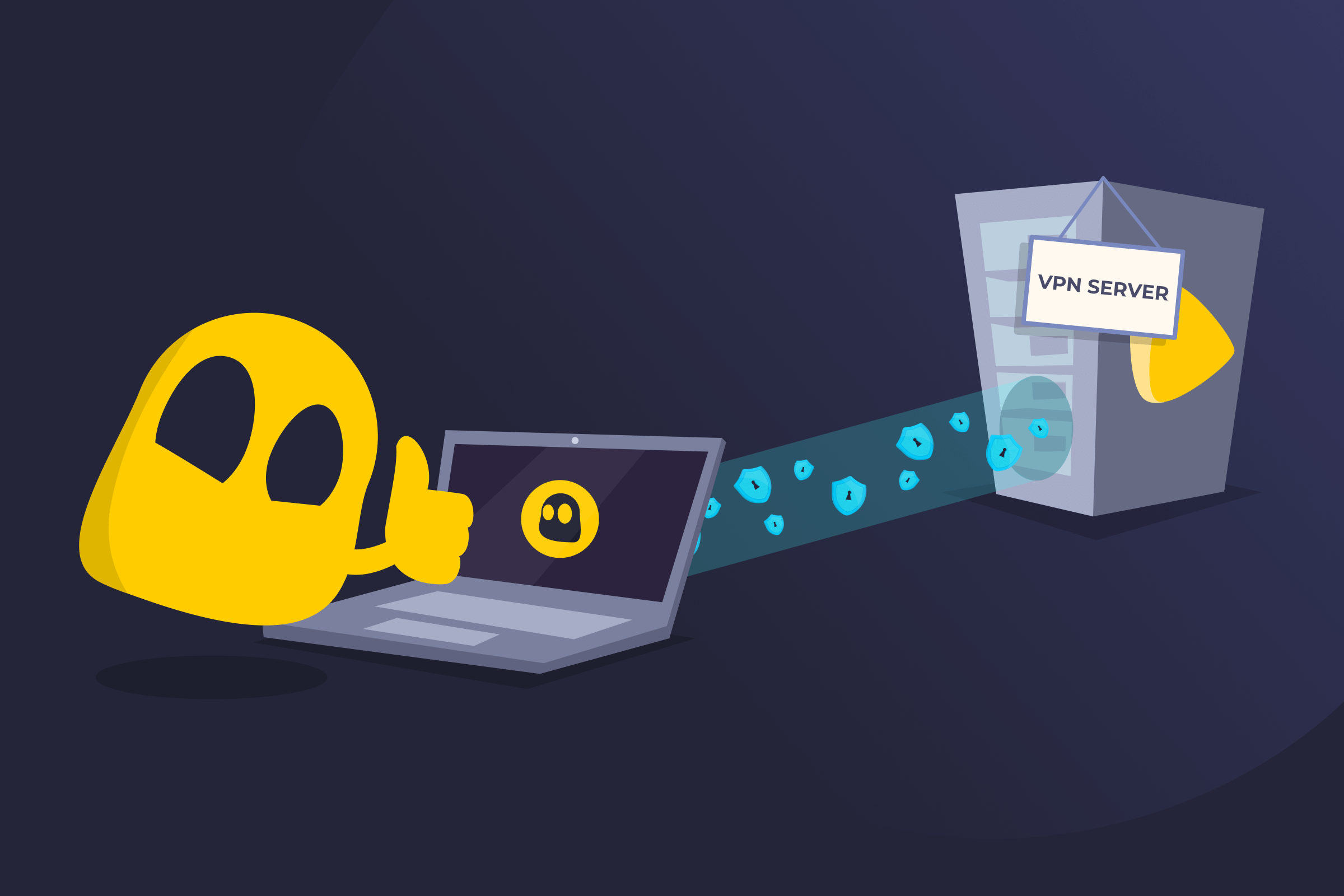
A personal VPN works by creating a secure connection between a user’s device and a VPN server operated by the VPN provider. Once connected, internet traffic is routed through the VPN server instead of being sent directly to websites or online services.
Before the data leaves the device, the VPN encrypts it, which makes the information unreadable to outside parties. The encrypted data travels to the VPN server, where it's decrypted and forwarded to the public internet.
Websites and online services see the IP address of the VPN server rather than the user’s real IP address. Incoming data follows the same path in reverse, passing through the VPN server, being encrypted again, and then delivered securely to the device. This process continues for as long as the VPN connection remains active.
Benefits of a Personal VPN
- Connection security: Protects personal internet connections from spying and interception.
- Privacy boost: Keeps online activity more private from websites and third parties.
- IP masking: Hides real IP addresses to reduce tracking.
- Public Wi-Fi protection: Secures data on open or unsecure public Wi-Fi networks.
- Connection control: Gives more control over where and how internet traffic is routed.
Limitations of a Personal VPN
- Possible slowdowns: Encryption and longer routing paths can slow down internet connections.
- Limited device protection: Doesn’t secure the device itself or replace antivirus and system security tools.
- Not a corporate solution: Can’t replace business or corporate VPNs that provide access to private networks.
Read More
FAQ
Yes, a personal VPN is legal to use in most countries and is commonly used for privacy and security. However, some countries restrict or regulate VPN use, and a few ban it entirely. Even where VPNs are legal, using one for illegal activities is still against the law. Always check local regulations when it comes to using a personal VPN to stay on the safe side.
Yes, you can usually use a personal VPN on multiple devices at the same time, such as your phone, laptop, tablet, or desktop. The number of devices allowed depends on the VPN provider and your subscription. For example, CyberGhost VPN allows you to protect up to 7 devices at once with a single account.
Yes, a personal VPN can be used for remote work. It helps secure your internet connection when you work from home or on public Wi-Fi by encrypting your data and protecting sensitive information. However, a personal VPN doesn’t replace a company VPN, since it doesn’t provide access to private business networks or internal systems.
 45-Day Money-Back Guarantee