
Polymorphic Virus
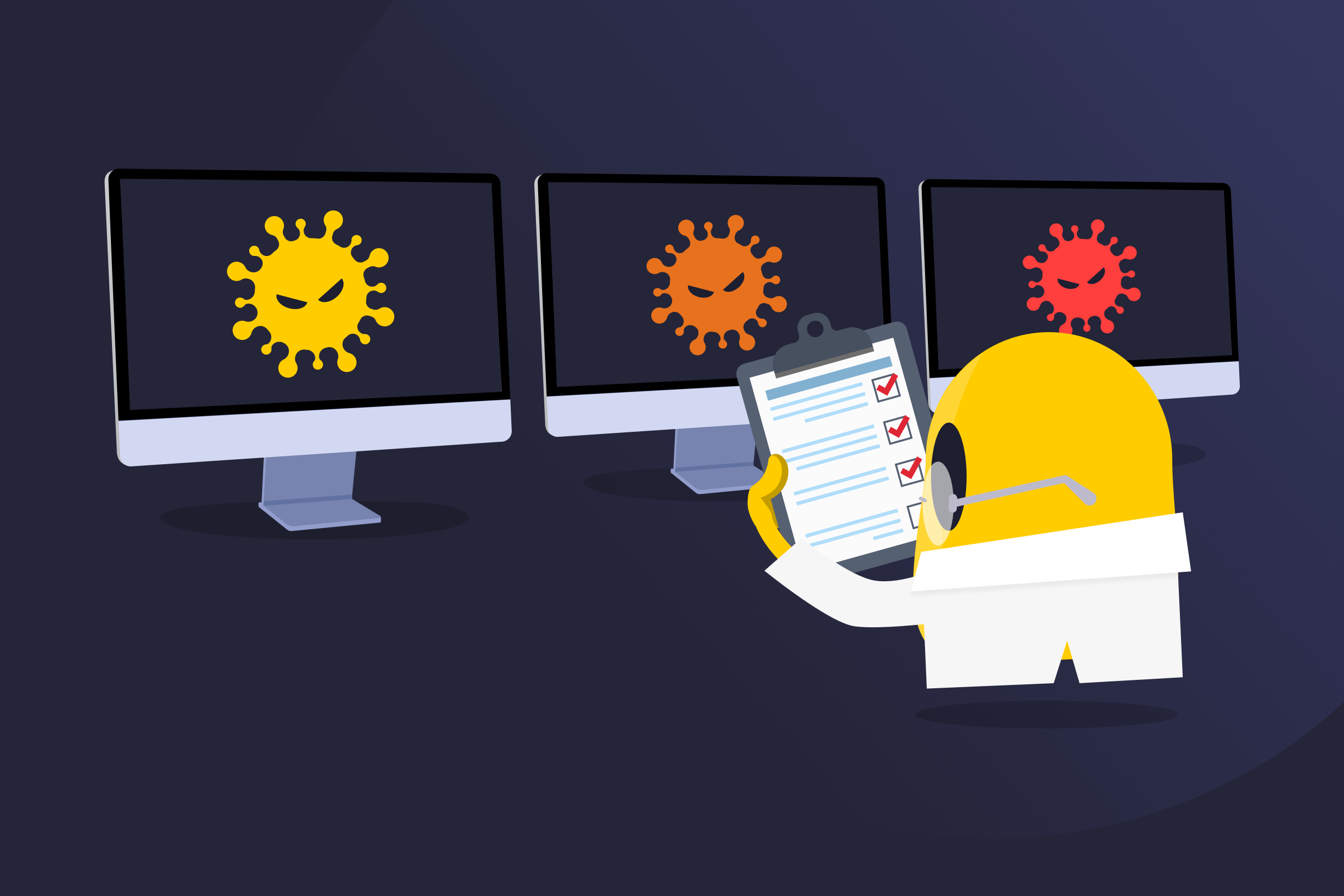
Polymorphic Virus Definition
A polymorphic virus is a type of self-replicating malicious software that changes its code to avoid detection. Each time it spreads or runs, it rewrites parts of itself while keeping the same malicious purpose. Since its code never looks the same twice, security software that scans and identifies threats based on known signatures can have difficulty spotting it. Some modern polymorphic viruses can change themselves multiple times per minute, making detection even harder.
How a Polymorphic Virus Works
A polymorphic virus has a built-in engine that rewrites parts of the code whenever it copies or activates itself. Although the code changes, the malicious behavior stays the same. It may still steal data, exploit backdoors, corrupt files, and even give attackers remote access.
By constantly changing its structure, the virus tries to stay invisible to signature-based security tools that look for fixed patterns instead of suspicious behavior. This allows malware to remain active for longer before being detected or removed.
Common Ways a Polymorphic Virus Can Spread
- Email attachments: Malicious files sent through phishing or spam emails that activate when opened.
- Infected downloads: Software, cracked files, or updates from untrusted or compromised websites.
- File sharing and removable media: USB drives or shared files that carry infected copies.
- Exploited vulnerabilities: Outdated software that allows malware to install itself silently.
- Compromised websites: Drive-by downloads that trigger when a vulnerable browser visits a page.
Well-Known Examples of Polymorphic Viruses
- Storm Worm: Spread through attachments in deceptive emails. Once installed, it allowed attackers to remotely control infected devices while using stealth techniques to stay hidden.
- Sality: Spread through infected executable files and removable media. Each time Sality copied itself, it altered its code to avoid detection while continuing to open backdoors and disable security tools.
- VirLock: Copied itself into other files and could lock screens to disrupt normal use, all while continuously modifying its code.
How to Prevent Polymorphic Virus Infections
- Keep operating systems, browsers, and apps up to date to limit vulnerabilities and exploits.
- Use trusted antivirus software that provides heuristic scanning and regularly scan your device.
- Rely on security tools that flag malicious software because of its suspicious behavior instead of its code.
- Avoid installing software, files, or updates from unknown or unofficial sources.
- Don’t open email attachments unless the sender and context are trusted.
Read More
FAQ
A regular virus usually has a stable code pattern that security tools can recognize and block. A polymorphic virus actively changes its code every time it runs or spreads. Even though the virus behaves the same way, each copy looks different on the inside. This makes it harder for traditional security tools to match it against known signatures and stop it early.
Yes, but only if it goes beyond basic signature scanning. Modern antivirus software looks at how programs behave, not just what their code looks like. When a program starts acting suspiciously, for example, rewriting itself, accessing sensitive areas, or spreading without permission, these tools can step in even if the virus code is unfamiliar.
That depends on what it’s designed to do. Typically, it steals personal or financial data, opens backdoors that allow remote access, corrupts or deletes files, and weakens system security by disabling protective tools. Because polymorphic viruses are harder to detect, they may stay active longer, which increases the risk of ongoing data loss, system instability, or further malware infections.
Both try to avoid detection by changing their code, but in different ways. A polymorphic virus encrypts or slightly alters parts of its code while keeping the same underlying structure, using a built-in engine to rewrite itself. A metamorphic virus goes further by completely rewriting its own code each time it spreads, changing its structure without relying on encryption. This makes metamorphic viruses even harder to detect, but also more complex to create.
 45-Day Money-Back Guarantee