
Ring Network
Ring Network Definition
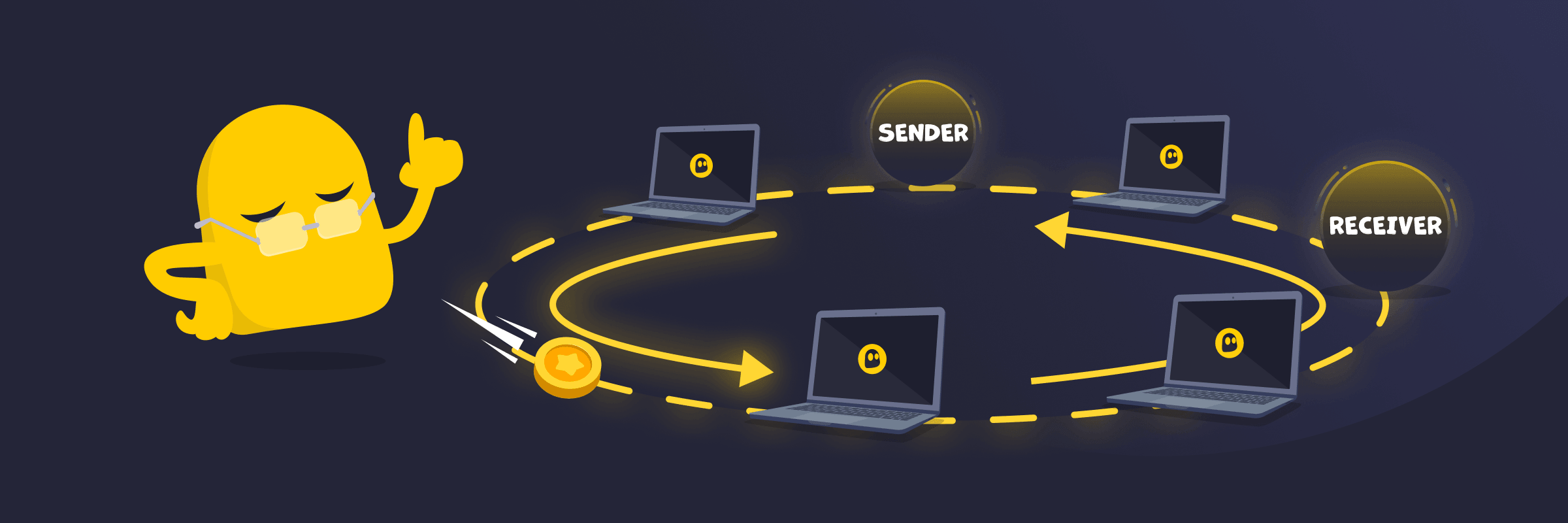
A ring network is a type of local area network (LAN) where each device is connected to exactly two others, forming a continuous circular path. In this setup, data travels around the loop from one device to the next, with each node acting as a repeater until the data reaches its destination. Because every device is part of the communication path, ring networks provide orderly data flow but can be vulnerable, as a single failure may disrupt the entire network.
How a Ring Network Works
In a ring network, devices are connected in a closed loop, and data moves in a single direction from one node to the next. Each device checks the destination address and forwards the data if it is not the intended recipient.
Many ring networks use a token passing system to manage communication. A small digital token circulates around the network, and only the device holding the token can send data. This prevents collisions and helps ensure fair access for all devices.
Ring networks can be implemented using physical cabling or logical configurations that simulate a circular data path.
Benefits of Ring Networks
- No data collisions: Token passing ensures only one device transmits at a time.
- Predictable performance: Data follows a consistent path, improving timing and reliability.
- Efficient communication: Each device gets an equal opportunity to send data.
Limitations of Ring Networks
- Single point of failure: A fault in one device or connection can disrupt the entire network.
- Scalability challenges: Adding more devices can increase delays as data passes through each node.
- Maintenance complexity: Troubleshooting faults can be more difficult due to the interconnected structure.
Where Ring Networks Are Used
Ring networks are used in environments that require consistent and reliable communication, particularly where timing and order are important.
They are commonly found in:
- Industrial control systems, such as manufacturing or power plants
- Transportation systems and signaling networks
- Specialized enterprise or legacy network setups
In these mission-critical settings, engineers often use self-healing dual-ring designs. These advanced setups provide a backup path, allowing the network to instantly reroute data in the opposite direction if a cable is cut or a device fails, ensuring the entire system stays online without interruption.
Read More
FAQ
A ring network describes the physical or logical layout where devices are connected in a loop. A token ring network is a specific type of ring network that uses a token passing system to control communication. This system ensures that only one device transmits at a time, reducing collisions and improving network efficiency.
In traditional ring networks, data typically travels in a single direction around the loop. However, some modern designs, such as dual-ring configurations, allow bidirectional communication. This allows data to be rerouted if a failure occurs, improving reliability and reducing downtime.
In a basic ring network, a single device or cable failure can break the loop and stop all communication. This is because each device depends on the next to pass data along. More advanced designs, such as dual-ring or self-healing networks, can automatically reroute traffic to maintain connectivity.
 45-Day Money-Back Guarantee