
Skimming Attack
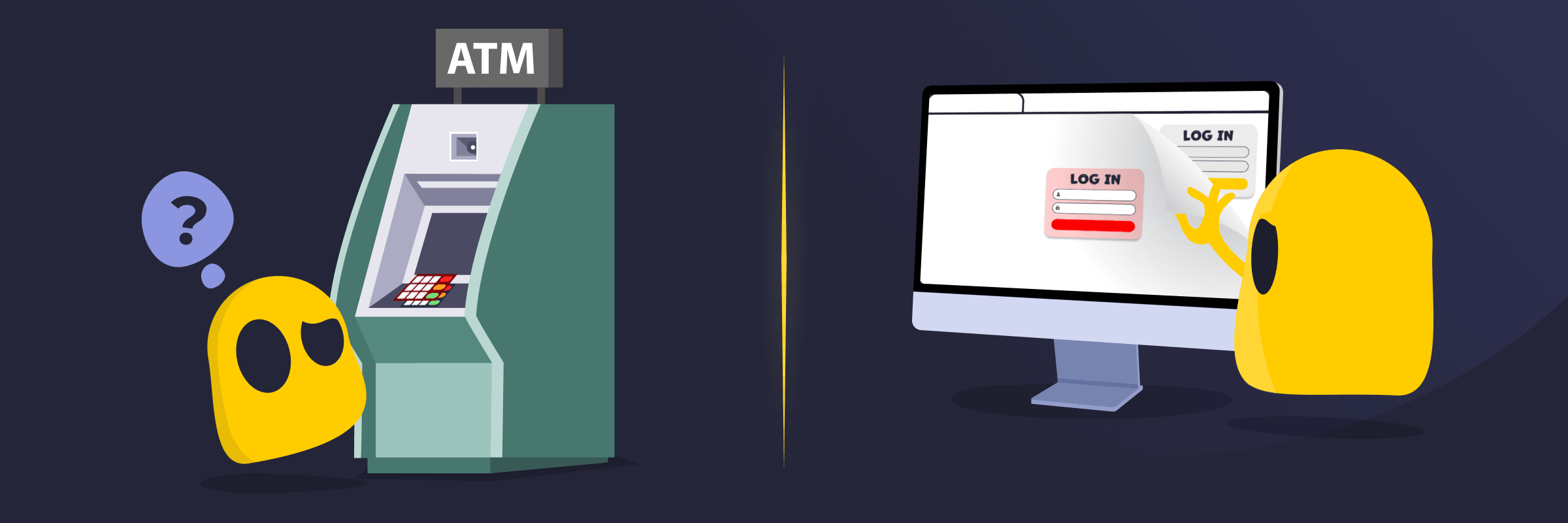
Skimming Attack Definition
A skimming attack is a type of fraud where attackers secretly steal sensitive data, typically credit or debit card details, during a normal transaction. This can happen through hidden devices on ATMs or payment terminals or through malicious code added to websites. The goal is to capture personal and financial information without detection and use it for fraud or identity theft.
How Skimming Attacks Work
Skimming attacks happen when attackers intercept data at the exact moment a user enters it. In physical skimming, devices placed on card readers copy data from the card, while cameras or fake keypads can capture PINs. In digital skimming, malicious code on a checkout page records information as the user types and sends it to the attacker. The process is invisible to the user, and the stolen data is later used or sold.
Types of Skimming Attacks
- Physical skimming: Attackers install hidden devices on ATMs, gas pumps, or point-of-sale terminals to capture card data during in-person transactions. They may also use small cameras or fake keypads to record PINs.
- Shimming: A thin device is inserted inside a card reader to intercept data from chip-enabled cards during a transaction.
- Bluetooth skimming: Wireless skimmers transmit stolen card data to nearby attackers, so they don’t need to retrieve the device physically.
- Digital skimming: Attackers inject malicious JavaScript into websites to steal payment or personal data entered during online transactions.
- Formjacking: A type of digital skimming that specifically targets web forms to capture information before it is submitted.
Signs of a Skimming Attack
- Loose or bulky card reader: The card reader appears larger, unstable, or different from normal.
- Unusual keypad behavior: The keypad feels thicker, harder to press, or less responsive than expected.
- Suspicious attachments: Extra parts, overlays, or components appear out of place on the device.
- Blocked or tight card slot: The card slot feels obstructed or unusually difficult to use.
- Visible tampering: ATMs or payment terminals show damage, loose panels, or signs of modification.
- Unusual checkout behavior: Payment pages load strangely, behave unexpectedly, or respond more slowly than normal.
- Unexpected pop-ups or fields: Extra prompts or unfamiliar payment fields appear during checkout.
Read More
FAQ
Yes, skimming attacks can happen on secure websites. Even if a site uses HTTPS, attackers can inject malicious code into its checkout page through vulnerabilities in the site, third-party scripts, or plugins. This code captures data as it’s entered and sends it to the attacker, while the connection itself remains encrypted and appears safe to users.
Chip card transaction data is extremely difficult to use fraudulently because EMV chips generate a unique cryptographic response for each transaction. Even if an attacker intercepts the transmitted chip data, it’s generally unusable for creating counterfeit transactions. This makes traditional chip skimming effectively impractical compared to magnetic stripe skimming.
However, attackers may still target the magnetic stripe on cards that support fallback transactions or use techniques like shimming against chip readers. As a result, the risk is greatly reduced, but not eliminated.
Yes, contactless payments are generally safer from skimming. They use short-range communication and generate a unique code for each transaction, so card details aren’t shared in a reusable form. This makes it much harder for attackers to capture and reuse data, although no payment method is completely risk-free.
 45-Day Money-Back Guarantee