
Svchost.Exe
Svchost.exe Definition
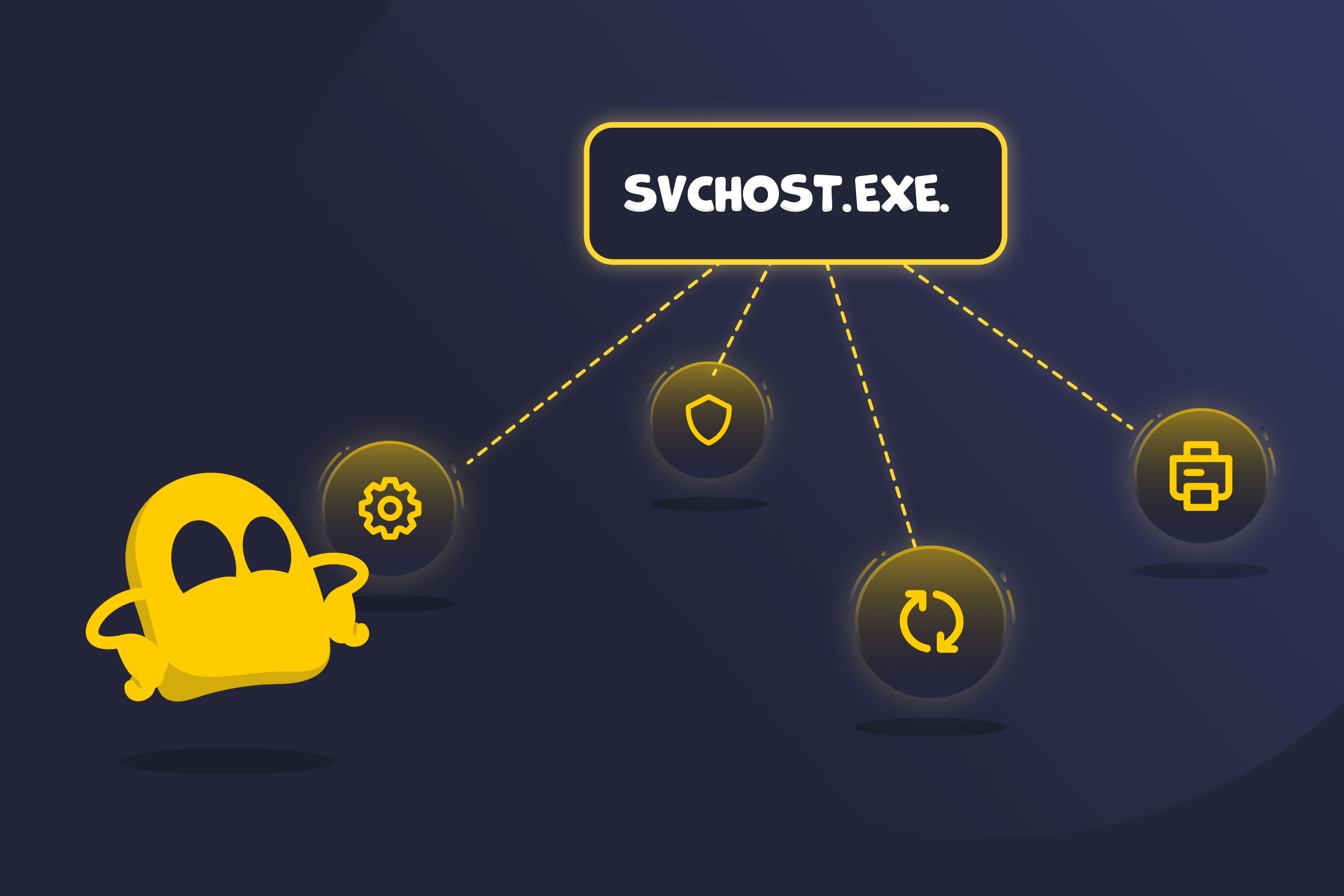
Svchost.exe (short for Service Host) is a core Windows system process that runs essential background services. Microsoft introduced it with Windows 2000 to improve how the operating system manages internal services. Instead of launching every service as a separate executable file, Windows uses svchost.exe to load services built from shared system files, known as DLLs.
Because svchost.exe often runs multiple critical services, it may use noticeable system resources and frequently appear in Windows crash reports. This leads some users to mistake it for a computer virus. While malware can disguise itself using the same name, the legitimate svchost.exe file is a vital and safe part of Windows. Removing or interfering with it can cause system instability.
What Does Svchost.exe Do?
Svchost.exe acts as a container that allows Windows services to start, run, and communicate with the operating system. It supports core functions such as Windows Update, network connectivity, firewall protection, Bluetooth support, and printing services. Without it, many built-in Windows features would fail to operate properly.
Multiple svchost.exe processes typically run at the same time in Task Manager. Each instance supports a specific group of services, which helps isolate tasks and maintain system stability. This structure allows Windows to manage services more reliably and reduces the risk of widespread system failure if a single service encounters a problem.
How to Stay Safe from Fake Svchost.exe Files
- Verify the file location in Task Manager. The legitimate svchost.exe should only run from C:\Windows\System32 or C:\Windows\SysWOW64.
- Watch for misspelled variants like svchost32.exe or svch0st.exe — these are common malware disguises.
- Monitor suspicious processes for unusual CPU, RAM, or network activity.
- Run a full system scan using trusted antivirus or anti-malware software.
- Quarantine or delete any detected malicious files.
- Restart the computer after removal.
- Keep Windows and security software updated.
- Enable real-time protection to prevent future infections.
- Avoid clicking suspicious links, email attachments, or downloading files from untrusted websites.
Read More
FAQ
Yes, you can end svchost.exe in Task Manager, but it’s not recommended. Each instance runs important Windows services, so stopping it can cause crashes, lost connections, or system instability. Instead, identify and fix the specific service causing the issue.
If you delete svchost.exe, you can seriously damage your Windows system. It runs critical background services, so removing it can cause system crashes, startup failures, or make Windows unusable. You should never delete the legitimate svchost.exe file.
Yes, svchost.exe can be involved in system crashes, but it’s usually not the direct cause. It runs essential Windows services, so if one of those services fails, becomes corrupted, or is infected with malware, it can lead to freezes, errors, or unexpected restarts. In most cases, the problem comes from the service running inside svchost.exe, not the process itself.
 45-Day Money-Back Guarantee