
Switching Fabric
Switching Fabric Definition
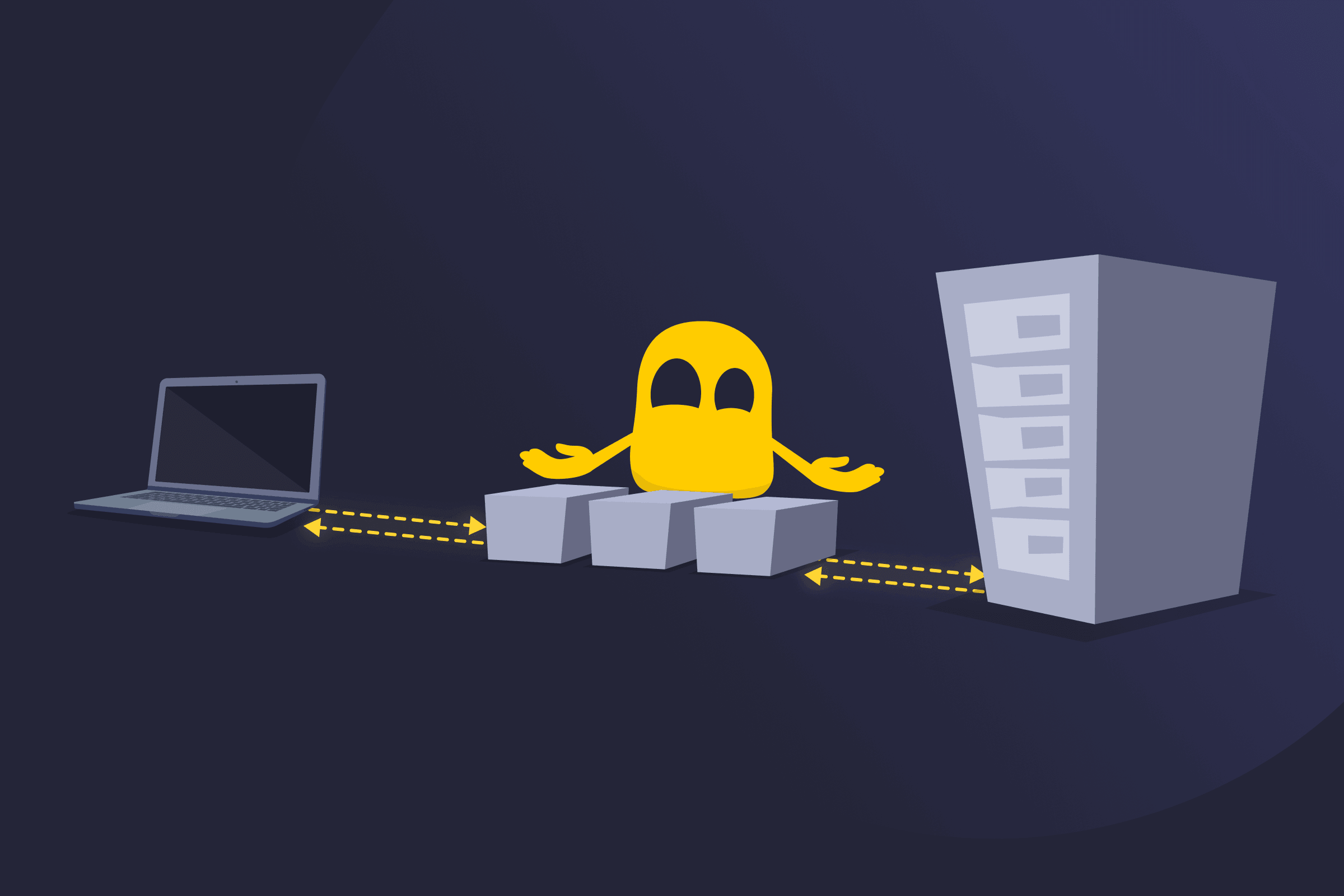
A switching fabric is the internal architecture of a network switch or router that enables data to move between ports. It acts as a high-speed communication system, directing data frames from input ports to the correct output ports.
Unlike simpler designs that rely on a single shared data path, a switching fabric can handle multiple simultaneous connections while processing traffic. This parallel processing prevents network bottlenecks, significantly improving overall speed and performance in modern networking hardware.
How Switching Fabric Works
When data arrives at a port, the switching fabric determines where it needs to go and forwards it through available internal paths. Because modern switching fabrics support multiple simultaneous connections, several data transfers can occur at once without interfering with each other.
Different switching techniques influence how traffic is handled within the fabric. Packet switching breaks data into smaller units for efficient transmission, while circuit switching creates a dedicated path for a session. Cell switching, used in older ATM networks, relies on fixed-size data units but is now largely outdated.
Benefits of Switching Fabric
- Higher network performance: Spreads traffic across multiple paths to improve overall speed and reduce congestion.
- Efficient data routing: Directs information to the correct destination quickly and accurately.
- Multiple simultaneous connections: Handles many connections at once without major slowdowns.
- Flexible communication methods: Supports circuit, packet, or cell switching depending on network needs.
- Improved scalability: Adapts as networks grow and require additional capacity.
Where Switching Fabrics Are Used
Switching fabrics are primarily used within high-performance networking hardware, such as core routers and enterprise switches. They’re essential in data centers and cloud environments, where large volumes of traffic must move between systems with low latency. They also play a key role in telecommunications backbones and large enterprise networks, supporting communication between many devices without creating performance bottlenecks.
Read More
FAQ
A switching fabric connects devices within a switch or router and moves data between input and output ports efficiently. It acts as the internal traffic management system within networking hardware, allowing multiple data streams to be processed simultaneously without creating bottlenecks or slowdowns.
Circuit switching establishes a dedicated path for the entire duration of a session, reserving that route even when no data is being sent. Packet switching breaks data into smaller independent units that can take different routes to reach the same destination, making more efficient use of available network capacity. Most modern networks use packet switching because it is faster and more flexible.
Cell switching is largely considered outdated. It was primarily used in ATM networks, which were common in telecommunications infrastructure during the 1990s and early 2000s. Modern networks have largely replaced it with packet switching, which offers greater flexibility and efficiency for modern traffic demands.
 45-Day Money-Back Guarantee