
Ubiquitous Computing
Ubiquitous Computing Definition
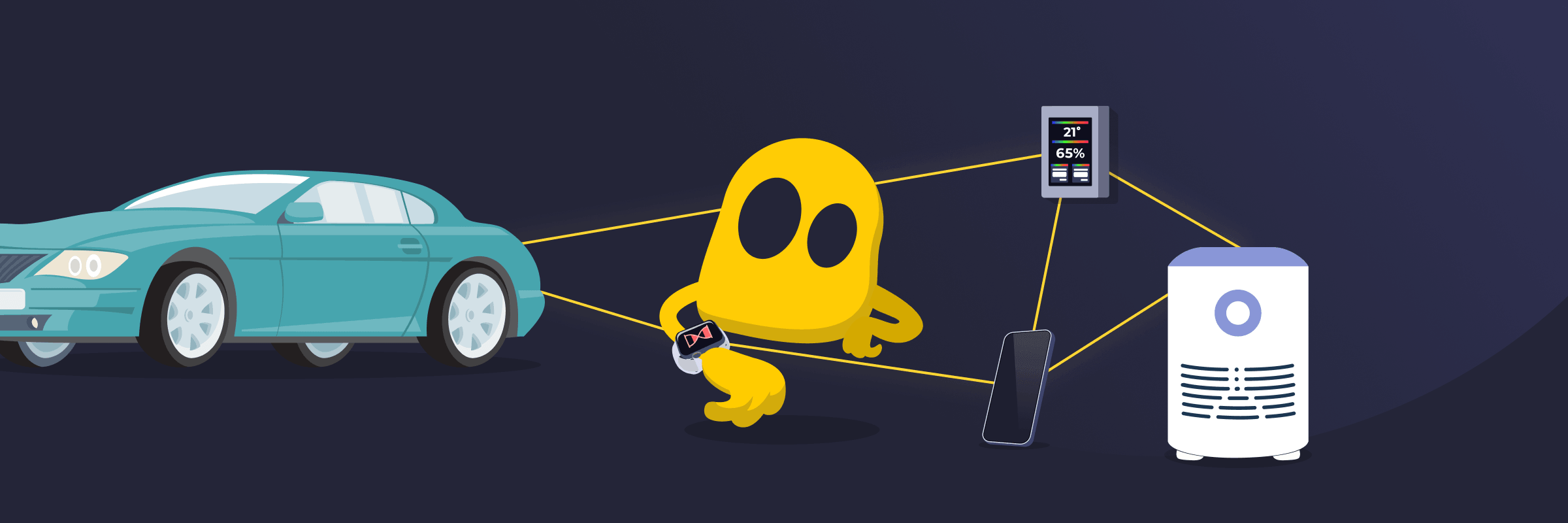
Ubiquitous computing is a computing model where digital technology operates inside everyday objects and environments with minimal direct interaction. Also known as pervasive computing, ubiquitous computing aims to make technology a natural part of everyday life, often operating in the background with little or no direct user interaction.
How Ubiquitous Computing Works
Ubiquitous computing combines sensors, software, networking, and embedded computing to make digital services available throughout everyday environments. Instead of requiring users to interact directly with a computer, computing functions are integrated into devices, buildings, vehicles, and other objects that can collect information, communicate with one another, and respond automatically.
Many ubiquitous computing systems continuously gather information from their surroundings, process it locally or in the cloud, and use the results to automate tasks or adapt their behavior. Depending on the application, they may adjust environmental settings, provide contextual information, or coordinate with other connected devices with little or no direct user input.
Examples of Ubiquitous Computing
- Smart homes: Connected devices can automate tasks such as adjusting lighting, temperature, or security settings.
- Wearable technology: Smartwatches and fitness trackers can collect and display health or activity data.
- Connected vehicles: Modern vehicles use integrated computing systems to support navigation, monitoring, and driver-assistance features.
- Smart buildings and workplaces: Offices may use connected systems to manage access, occupancy, and shared resources.
- Healthcare technology: Connected medical devices can help monitor patients and support remote care.
Benefits of Ubiquitous Computing
- Convenience: Computing services can operate with less manual input.
- Automation: Systems can perform routine tasks automatically.
- Accessibility: People can access information and digital services across different environments.
- Efficiency: Devices and applications can respond more quickly to changing conditions.
Challenges of Ubiquitous Computing
- Privacy concerns: Connected devices may collect large amounts of personal, behavioral, or location data.
- Security risks: More connected devices increase the number of potential entry points for cyberattacks.
- Interoperability mismatches: Devices and platforms from different manufacturers may not work well together.
- Reliability: Network outages, software bugs, or hardware failures can disrupt automated services.
Read More
FAQ
No. While many ubiquitous computing systems rely on network connectivity, others process information locally on a device or within a local network. Internet access may improve functionality but is not a defining requirement of ubiquitous computing.
Common examples of ubiquitous computing include smart home devices, wearable technology, connected vehicles, smart workplaces, and healthcare systems. These technologies integrate computing capabilities into everyday environments rather than relying on a single device.
Ubiquitous computing systems often rely on connected devices that collect and process data. While this can improve convenience and automation, it can also increase privacy concerns if systems collect, share, or store personal information without appropriate safeguards.
No. The Internet of Things (IoT) refers to physical devices that connect and exchange data over a network. Ubiquitous computing is the broader concept of embedding computing into everyday environments so that technology becomes less noticeable and requires minimal user interaction. IoT is one technology that can support ubiquitous computing, but the two terms are not interchangeable.
 45-Day Money-Back Guarantee