
V2Ray Protocol
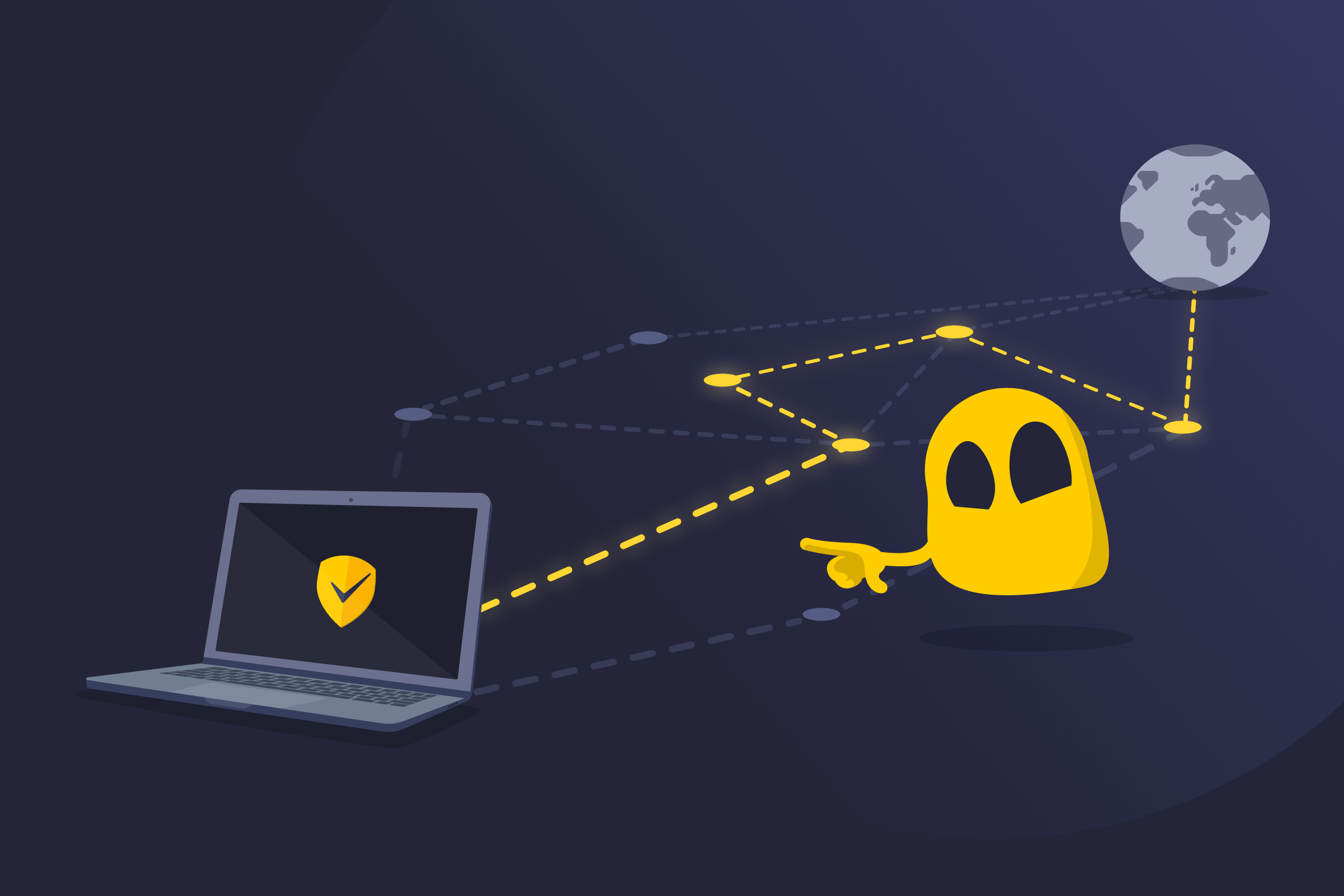
V2Ray Protocol Definition
The V2Ray protocol, or V2Ray proxy, is a networking platform used to send internet traffic through proxy connections. It’s commonly used in networks where access is limited, filtered, or closely watched. Rather than being a single protocol, V2Ray provides a system that supports different proxy methods and traffic formats.
How V2Ray Works
V2Ray runs between a device and the internet and directs traffic through proxy connections instead of sending it directly. A client sends requests to a V2Ray server, which then forwards the traffic based on defined rules. These rules control how traffic moves, which path it takes, and which protocol it uses.
Protocols Used with V2Ray
- VMess: A core protocol designed for V2Ray that encrypts traffic and handles authentication and routing between client and server.
- VLESS: A newer option that simplifies how connections are handled and removes extra overhead found in VMess.
- Shadowsocks: A separate proxy protocol that V2Ray can support to route traffic through simpler proxy setups.
- SOCKS: A general-purpose proxy protocol used to pass traffic from apps that already support SOCKS connections.
- HTTP: A basic proxy method that sends traffic in a format commonly used by regular web requests.
Benefits of V2Ray
- Control traffic flow: Decide how and where network traffic moves instead of using one fixed path.
- Adapt to different networks: Use methods that work across filtered, restricted, or monitored connections.
- Support multiple protocols: Run different proxy types within the same setup when needed.
- Disguise traffic patterns: Make proxy traffic appear like regular HTTPS or other common protocols to evade basic inspection.
- Adjust routing rules: Change traffic behavior without redesigning the entire network setup.
Limitations of V2Ray
- Complex setup: Involves more steps and technical knowledge than basic proxy tools.
- Manual management: Requires ongoing changes to rules, protocols, and routing.
- Limited user interface: Uses command-line tools or third-party apps in many setups.
- Requires self-hosting: Unlike commercial VPNs, V2Ray requires users to set up and maintain their own servers.
- Compatibility gaps: Causes issues with some apps or network environments.
Read More
FAQ
A VPN sends all internet traffic through one encrypted tunnel to a single server. It usually comes as a ready-made app that handles connections, encryption, and routing automatically. Most VPNs are designed to be easy to use and require little setup. V2Ray works differently, as it's not a VPN service and doesn't provide a single tunnel or built-in network.
The V2Ray protocol is used in networks where standard internet access doesn't work well. It often appears in workplaces, schools, or public Wi-Fi systems that restrict certain connections. It's also used in regions with heavy internet filtering, where regular VPN traffic may not pass through easily. Some organizations use V2Ray to manage traffic rules across different apps or services within the same network.
V2Ray itself is legal in most countries. It's an open-source networking tool that doesn't break the law on its own. However, how it’s used is important. Some countries restrict or regulate proxy tools, VPNs, or traffic routing services. Local laws may also limit what users can access online. Because of this, legality can depend on location and usage, not the tool itself.
 45-Day Money-Back Guarantee