
WPAN
WPAN Definition
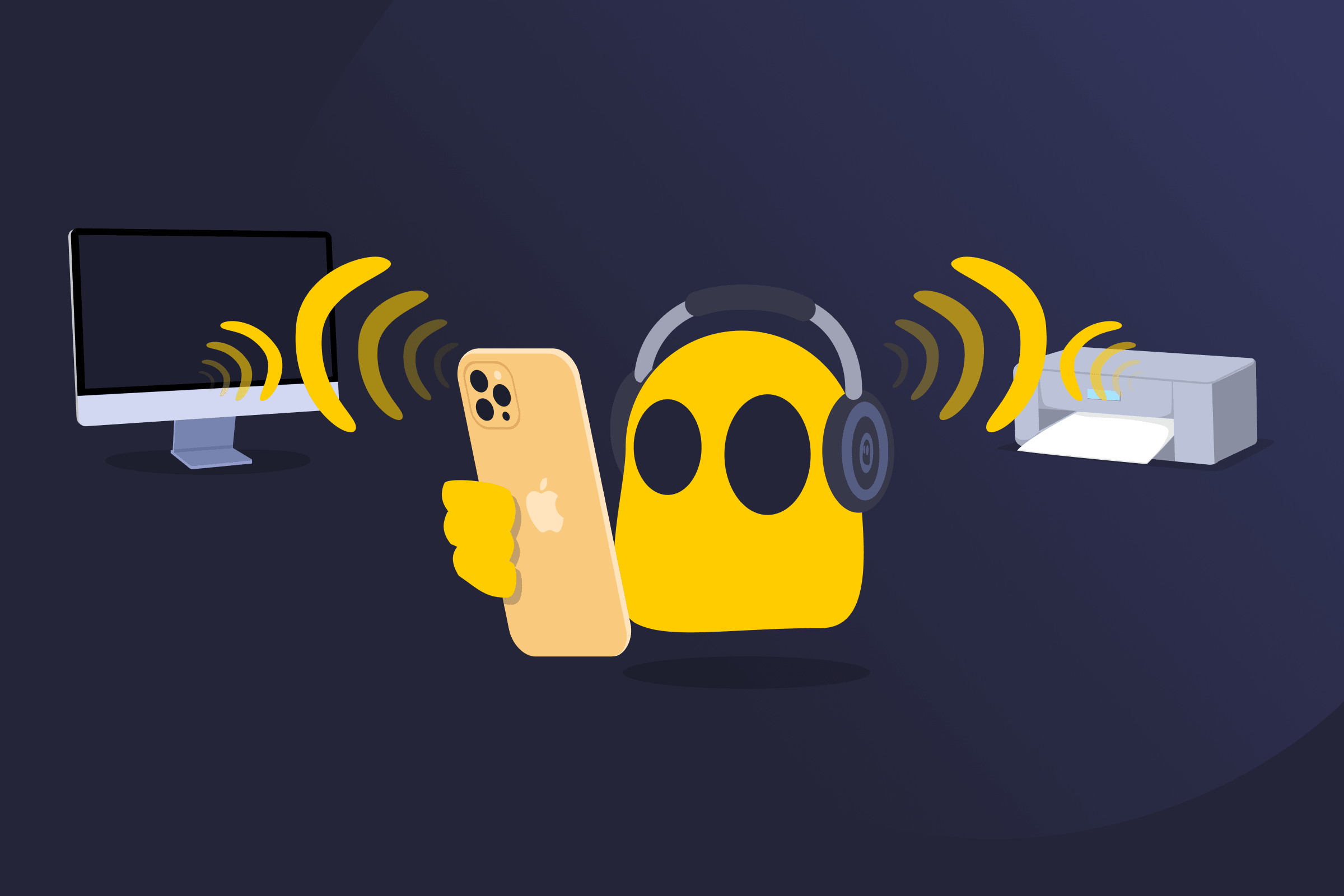
A Wireless Personal Area Network (WPAN) is a short-range wireless network that connects devices within a small area, typically around a single user. It allows devices such as headphones, printers, and smart home gadgets to communicate directly without cables. WPANs usually operate over short distances, ranging from a few meters to a few dozen meters, making them suitable for personal or close-range device connectivity rather than large-area networking like Wi-Fi.
How WPAN Works
A WPAN connects devices using low-power wireless technologies such as radio waves or, in older systems, infrared light. Devices within range use built-in wireless chips that follow specific communication standards like Bluetooth or Zigbee.
When compatible devices are close enough, they can pair or connect automatically. Once connected, they exchange data wirelessly within a limited range, forming a small network centered around the user.
Common Types of WPAN Technologies
- Bluetooth: A short-range, low-power technology used for connecting nearby devices. It typically operates within 10–30 meters and is commonly used for headphones, keyboards, wearables, and smartphones.
- Zigbee: A low-power communication standard designed for device-to-device connectivity. It can operate over longer distances in some setups (up to 100 meters) and is commonly used in smart home systems and sensors.
- Infrared: A short-range technology that uses light signals instead of radio waves. It requires direct line-of-sight between devices and is now largely outdated due to its limited flexibility.
- HomeRF: A networking technology developed for short-range communication. It offered a moderate range and speed but has been largely replaced by newer technologies such as Wi-Fi.
- Wireless USB: A short-range standard designed to replace physical USB connections. It allows devices to communicate without cables but is less commonly used today due to more efficient alternatives like Bluetooth.
Benefits of WPAN
- Cable-free connectivity: Eliminates the need for physical connections between devices.
- Low power consumption: Is designed for energy efficiency, making it ideal for battery-powered devices.
- Easy device pairing: Enables quick and simple connections between nearby devices.
Limitations of WPAN
- Short range: Works only over limited distances compared to Wi-Fi or cellular networks.
- Lower data speeds: Suits small data transfers better than high-bandwidth tasks.
- Potential interference: Can be affected by other wireless signals in crowded environments.
Read More
FAQ
No. WPAN is designed for short-range communication between nearby devices, typically within a few meters. Wi-Fi covers a much larger area, such as a home or office, and is used for internet access and broader network connectivity.
WPAN technologies are commonly used in devices such as wireless headphones, smartwatches, keyboards, printers, fitness trackers, and smart home sensors. These devices rely on short-range connections for convenience and low power usage.
WPAN technologies like Bluetooth and Zigbee include built-in security features such as encryption and device pairing. However, security depends on proper configuration, regular updates, and avoiding connections from unknown or untrusted devices.
 45-Day Money-Back Guarantee