

Network Node Manager
Network Node Manager Definition
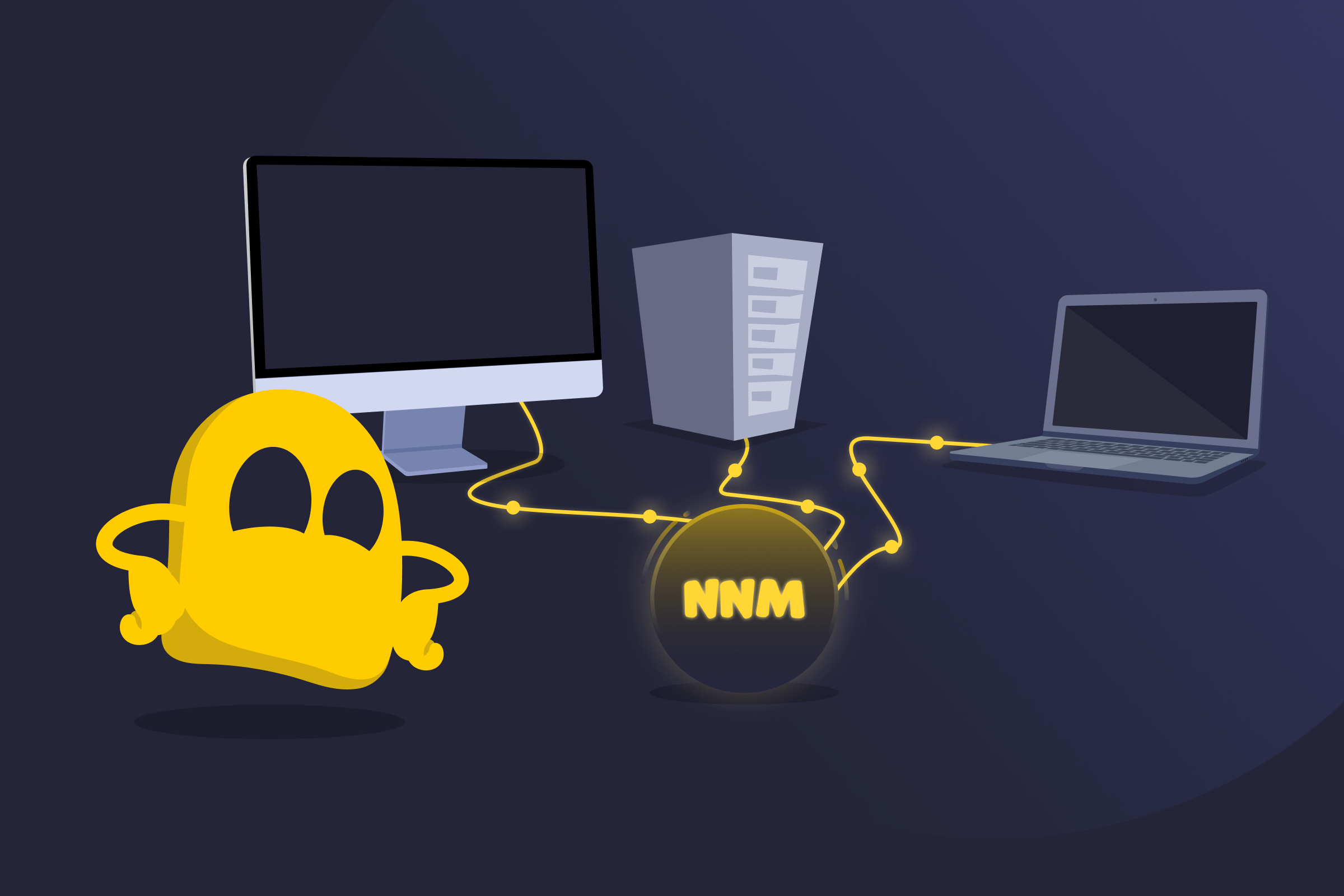
A Network Node Manager (NNM) is a tool used to monitor and manage devices connected to a network, like computers, routers, switches, and servers. It keeps track of performance, detects issues like outages or unusual behaviors, and sends alerts when something goes wrong. In other words, it works like a main control center for a network.
How a Network Node Manager Works
An NNM continuously scans and checks the network to understand what’s connected and how everything is performing. Its operation can be broken down into these key steps:
- Discovery: The system scans the network to find all connected devices. It uses network protocols to identify each device and collect its details, including IP address and status.
- Mapping: After discovering devices, it creates a network topology map showing how each node is connected.
- Monitoring: The manager regularly checks performance by tracking uptime, bandwidth usage, CPU load, memory use, and connection quality in real time.
- Alerting: If a device fails, goes offline, or performs abnormally, the system alerts administrators so they can act before the issue spreads or affects users.
- Reporting: NNM compiles collected data into logs and reports that show network performance trends, device health, and problem history.
- Integration: The system can connect with other network management or monitoring tools to share information, automate tasks, and provide a unified view of the network.
Main Benefits of Network Node Managers
- Clear network visibility: Provides a real-time view of all devices and their connections, giving network managers a complete picture of how the system operates.
- Quick problem detection and fixes: Monitors performance and sends alerts the moment an issue arises, allowing teams to respond promptly.
- Improved network performance: Tracks important details, like bandwidth use, latency, and device workload, to help maintain a smooth data flow and stable performance.
- Reduced downtime: Sends early warnings and faster responses to prevent minor issues from turning into major outages.
- Simplified troubleshooting and planning: Stores data and generates detailed reports that make it easier to trace problems, plan maintenance, and scale.
- Scalable for any environment: Supports both small office networks and large enterprise setups, adapting easily as the network expands.
Read More
FAQ
Yes. It’s ideal for small businesses that rely on reliable internet and connected devices. It tracks network activity, detects issues early, and minimizes downtime. Many versions are affordable and designed for simpler setups.
Yes, an NNM can work with other network management tools. It often connects with systems that handle security, performance tracking, or device configuration. This integration allows data sharing and gives network managers a single view of network activity. It also helps automate tasks like alerts or reports, saving time and improving accuracy.
No. A Network Node Manager focuses mainly on device monitoring, performance tracking, and sending alerts when issues appear. A full network management system usually includes extra features, like automated configuration, security enforcement, and system-wide control.

 45-Day Money-Back Guarantee