
Cybersecurity Ecosystem
Cybersecurity Ecosystem Definition
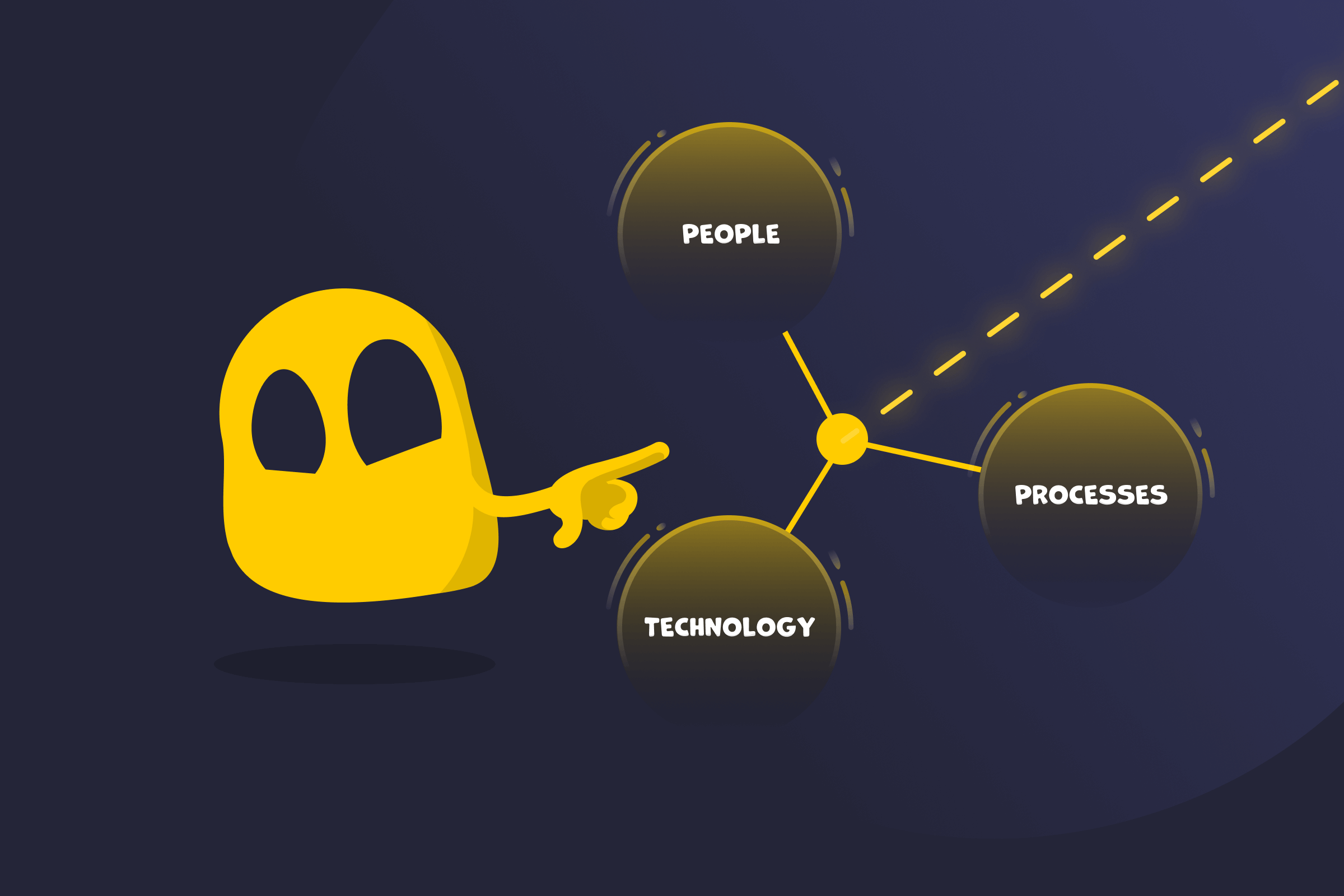
A cybersecurity ecosystem is the connected set of people, technologies, processes, and external partners that protect systems and data. It brings together devices, security tools, policies, and threat intelligence across on-premises systems, cloud platforms, and remote environments. The goal is to reduce risk by detecting, responding to, and recovering from cyber threats in a coordinated way.
How a Cybersecurity Ecosystem Works
In a cybersecurity ecosystem, security tools, monitoring systems, and human teams share information rather than operating in isolation. Alerts from devices and applications are reviewed alongside threat intelligence to confirm whether activity is normal or a real risk.
The basic flow looks like this:
- Detect: Systems or users spot unusual activity or weaknesses.
- Respond: Teams investigate signals and block threats or adjust controls.
- Update: Confirmed incidents lead to changes in policies, tools, or processes.
When these parts aren’t connected, warning signs can be missed. Gaps often become obvious only after an incident exposes weak monitoring or slow response.
Key Components of a Cybersecurity Ecosystem
- Infrastructure: Servers, computers, mobile devices, cloud systems, networks, and the software running on them form the technical foundation that needs protection.
- People: IT staff, security teams, and everyday users who set up systems, monitor alerts, and follow security rules.
- Processes: Repeatable steps for prevention and response, such as access control, incident handling, risk assessment, and backup or recovery planning.
- Technology: Tools that help prevent, detect, and respond to threats, including endpoint protection, network security, application security, encryption, and monitoring systems.
- Monitoring: Logs, alerts, and security dashboards provide insight into what’s happening across systems, helping teams spot threats and unusual behavior early.
- External partners: Third parties that support security efforts, such as managed security service providers (MSSPs) that monitor and manage security around the clock.
- Threat intelligence: Information about current and emerging threats helps teams recognize attacks faster and adapt defenses based on real-world risks.
Where Cybersecurity Ecosystems Are Used
- Everyday internet users: Online communication, shopping, banking, and account access all rely on coordinated security tools and controls.
- Public sector organizations: Government services and infrastructure depend on security ecosystems to protect sensitive data and maintain availability.
- Small and growing companies: Smaller teams use integrated security setups to reduce risk without managing many separate tools.
- Education environments: Schools and universities secure student records, staff systems, and shared networks.
- Large businesses: Complex systems, large user bases, and valuable data require coordinated defenses across departments and platforms.
- Healthcare providers: Medical systems rely on layered security to protect patient data and keep critical services running.
Read More:
FAQ
A cybersecurity ecosystem brings together several moving parts that support each other. This includes the people who manage and use systems, the tools that protect devices and data, and the processes that define how threats are prevented and handled. It also relies on threat intelligence and monitoring to spot risks early, plus external partners or services that add expertise or coverage when needed. The ecosystem works best when these pieces share information instead of operating separately.
Small businesses often use fewer tools and have limited security staff, which makes coordination especially important. A cybersecurity ecosystem helps connect security tools and response steps so problems don’t go unnoticed. When alerts, policies, and response actions are aligned, common threats like phishing emails or compromised devices can be detected and addressed faster, even without a large security team.
Employees are part of the ecosystem because everyday actions affect security. Using strong authentication, following access rules, and recognizing suspicious activity all help reduce risk. When employees report issues instead of ignoring them, security teams gain early warning signals that tools alone might miss. In this way, people act as both a protective layer and a source of valuable security information.
 45-Day Money-Back Guarantee