
Cyberwarrior
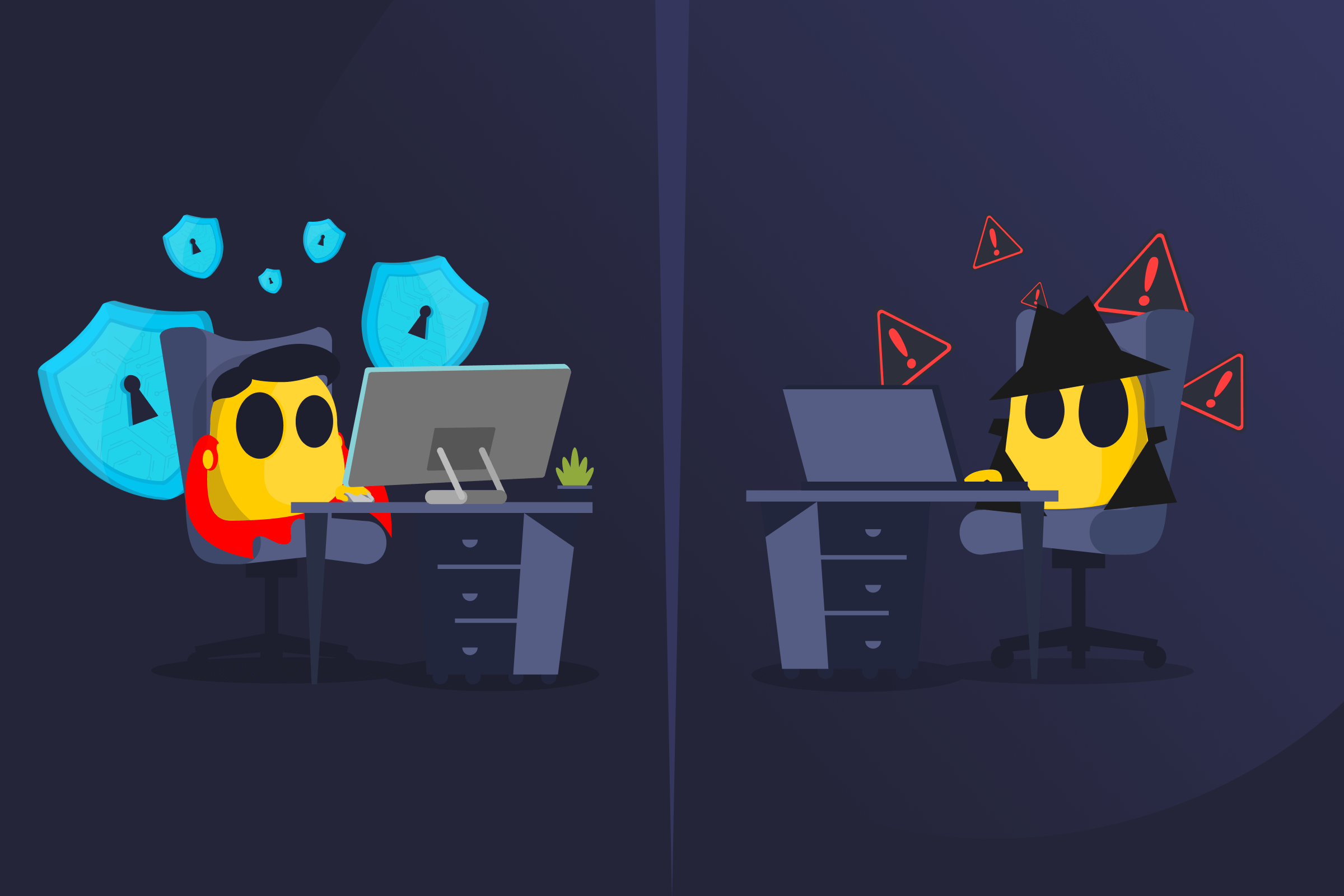
Cyberwarrior Definition
A cyberwarrior is a person engaged in cyber warfare, which involves operations that target or defend digital systems or networks. Cyberwarriors can operate on behalf of governments, critical industries, security firms, businesses, political groups, or independently. Their goals depend on who they're working with, and can include preventing damage or infiltrating national infrastructure, private systems, and digital assets.
How Cyberwarriors Work
Cyberwarriors can work on either side of a conflict. Defensive cyberwarriors protect digital assets, including critical systems such as power grids, hospitals, financial sectors, and communications. They may also safeguard corporate networks or personal data. Offensive cyberwarriors usually aim to disrupt, spy on, or steal from systems. Targets can range from national networks to organizations, groups, or individuals.
What Do Defensive Cyberwarriors Do?
- Threat intelligence: Watch for signs of planned attacks and gather information about who might launch them.
- Network security: Set security rules that control who can access a system, and separate sensitive areas to limit the damage if an intruder gets in.
- Incident response: Find threats, stop attacks, isolate the affected parts of the system, and restore what was damaged.
- Malware analysis: Examine malicious software in a secure environment to learn how it spreads and how to block it.
- Vulnerability testing: Simulate attacks (such as penetration tests or red-team operations) to uncover and fix weak spots before real attackers can find them.
- Encryption know-how: Protect files and communications with encryption so data stays unreadable even if it’s intercepted or stolen.
What Do Offensive Cyberwarriors Do?
- Reconnaissance: Study a target system to understand how it’s built and where its weak spots are.
- Exploit development: Create tools that take advantage of vulnerabilities to gain access.
- Social engineering: Manipulate people to have them grant access to restricted accounts, devices, or internal data.
- Lateral movement: Move deeper through a network after the first break-in to reach more valuable systems.
- Command and control: Keep a hidden connection to a compromised system to send instructions or copy data out silently.
- Data destruction: Erase or corrupt files to disrupt operations.
Types of Cyberwarriors
- State actors: Government operators who defend national networks and attack adversary systems.
- Military cyber unit: A type of state actor that’s part of a country’s armed forces.
- Contractors: Hired consultants or firms that handle cybersecurity.
- Ethical hackers: Professionals who are authorized to locate and report security weaknesses.
- Penetration testers: Groups that mimic attackers to test a company’s defensive response.
- Script kiddies: Inexperienced hackers who use publicly available tools to launch attacks.
- Cybergangs: Organized groups that perform extortion, data theft, or online fraud.
- Hacktivists: Individuals or collectives hacking for political or social causes.
Read More
FAQ
“Cyberwarrior,” meaning someone who takes part in cyber warfare, describes individuals or teams that protect or disrupt digital services. Cyberwarriors can protect national infrastructure, private companies, or networks from online threats. Or, on the offensive side, they can conduct operations to disable, infiltrate, or gather intelligence from adversaries.
It combines “cyber” (digital systems) and “warrior.” The term gained traction in the 2000s as governments began treating cyberspace as a fifth domain of warfare, alongside land, sea, air, and space.
Cyberwarriors can be government-sanctioned groups, like the U.S. Cyber Command, or decentralized groups like Anonymous (the hacktivist collective known for targeting institutions and governments). They can also be individuals, like Marcus Hutchins, the researcher who triggered the WannaCry kill switch.
No. Some cyberwarriors are part of military and governmental organizations. Others work in private sector roles that defend corporations and infrastructure. Some operate independently as researchers, consultants, and hacktivists for monetary or ideological causes.
 45-Day Money-Back Guarantee