
Handshake Protocol
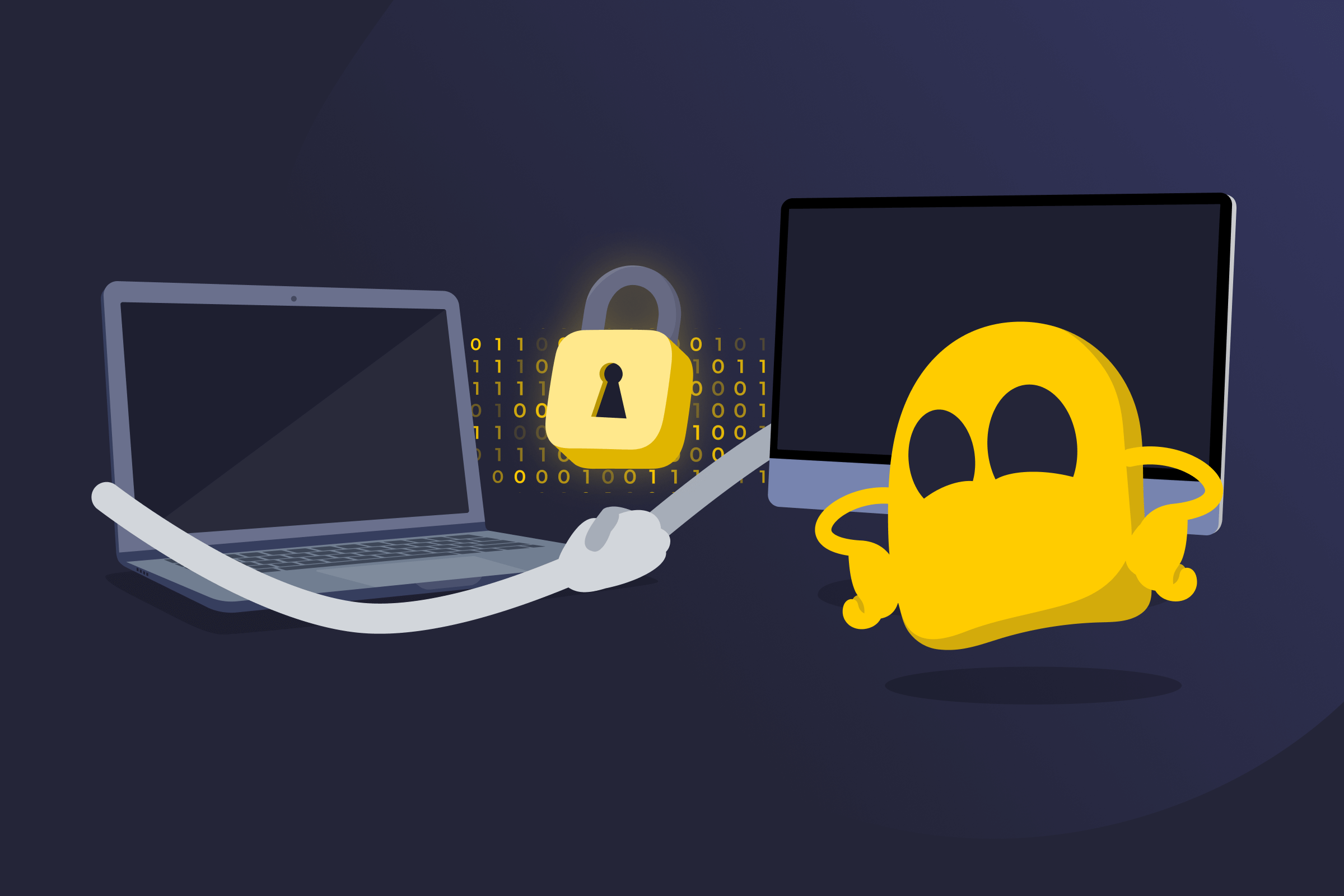
Handshake Protocol Definition
A handshake protocol is a process used to establish a secure connection between two devices, usually a client (like a computer) and a server (like a website). During the handshake, both sides verify each other’s identity and agree on encryption methods before sharing data. This process happens very quickly, usually lasting just a few milliseconds. The protocol plays a vital part in keeping connections private, secure, and reliable, helping prevent unauthorized users from getting into a network or intercepting data in transit.
How the Handshake Protocol Works
The handshake begins when the client sends a request to the server to start a secure connection. This message includes the encryption options and security settings the client supports. The server then responds by choosing one of the encryption methods and sending back its digital certificate as proof of identity. The client checks that information to make sure it’s valid and trusted.
If everything checks out, both sides exchange the information needed to create a shared secret key. This key is used to encrypt all further communication. Once this setup is finished, the secure session officially starts.
Common Applications of Handshake Technology
- Wi-Fi networks: Use a handshake to confirm the device knows the correct password and to create the encryption keys that protect the network.
- Bluetooth pairing: Runs a handshake when devices connect for the first time to verify each other and set up a secure wireless link.
- Simple Mail Transfer Protocol (SMTP): Relies on a handshake to initiate a connection between mail servers and agree on message size limits and security options.
- Dial-up internet access: Applied a handshake to align modem settings, optimize signal quality, and establish a stable connection between two endpoints.
- Transmission Control Protocol (TCP): Sets up a reliable communication path between a client and a server by synchronizing how data will be sent and received.
- Transport Layer Security (TLS): Verifies server identity and negotiates encryption settings to protect data during secure web communication.
Read More
FAQ
The handshake protocol enables your device and a server to establish a secure connection. It confirms the identity of the server you’re connecting to and sets up encryption so that any data sent between your device and the server stays private and protected from tampering.
A handshake fails when your device and the server can’t agree on security settings or can’t verify each other. It can happen if the website’s SSL certificate has expired or is invalid, your device’s date or time is incorrect, the internet connection is unstable, or the server utilizes security settings your device doesn’t support.
A handshake usually takes only a few milliseconds. It’s a quick process where your device and the server exchange a few messages to agree on encryption and verify each other. You typically won’t even notice it happening.
Yes, but only slightly. The handshake adds a very small delay at the start of a connection while security is being set up. Once it’s complete, your connection runs at normal speed with no ongoing slowdown.
 45-Day Money-Back Guarantee