
Platform Security
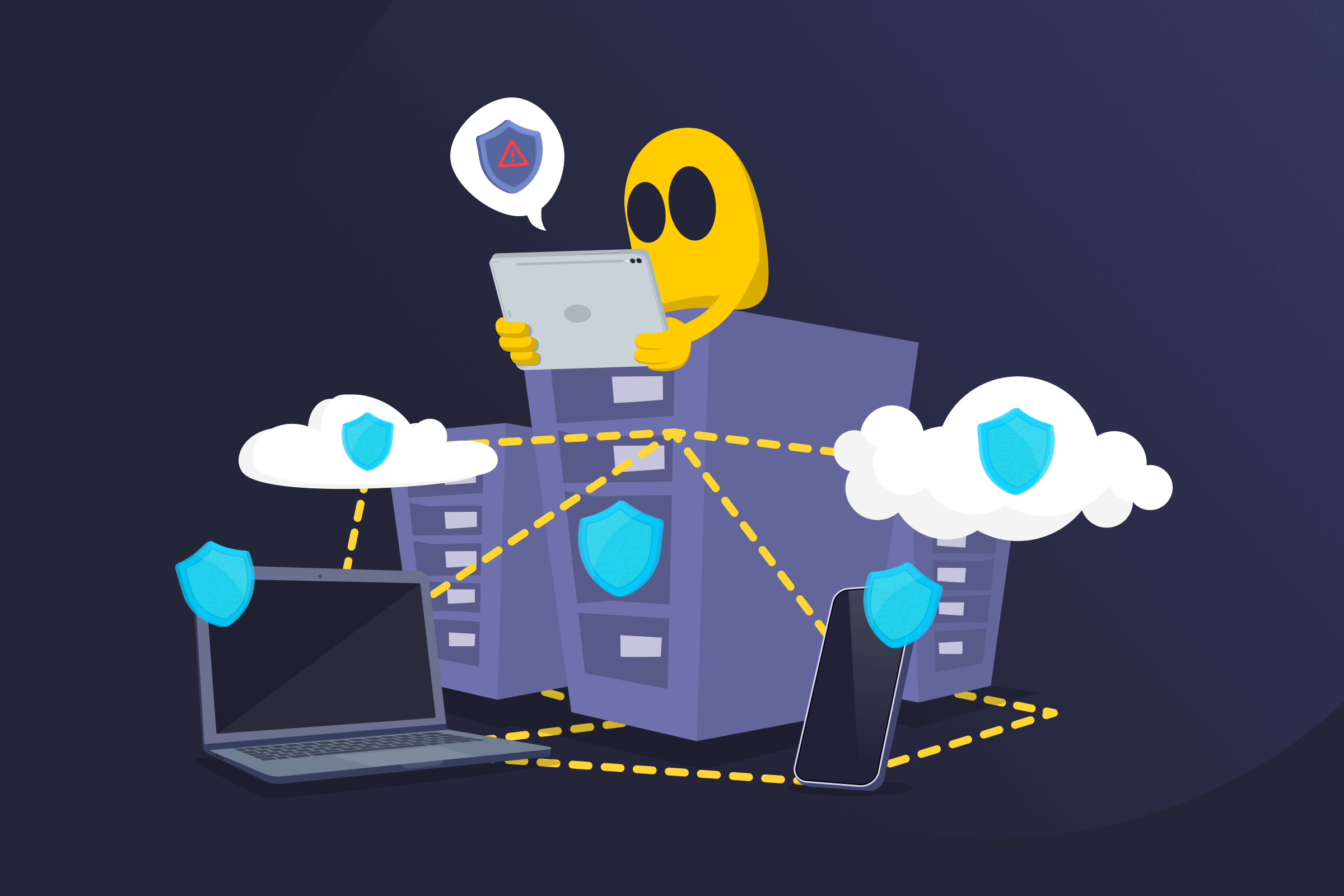
Platform Security Definition
Platform security is the protection of an entire computing environment, including its hardware, software, data, and network components, under one unified security framework. Instead of securing each component separately, it applies consistent controls like access management, encryption, and threat monitoring to the whole system. This helps prevent unauthorized access, reduce complexity, and detect attacks more quickly.
Types of Platform Security
- SIEM platforms: Collect and review security data from devices, servers, and networks to identify suspicious activity.
- SOAR platforms: Automate security responses and coordinate tools to allow for quicker investigation.
- Integrated security platforms: Combine defenses, like endpoint protection and firewalls, into one central system.
- Cloud-based platforms: Extend protection to virtual machines, containers, and online services across hybrid setups.
Examples of Platform Security
- Threat detection: Uses integrated monitoring to spot unusual activity and stop attacks before they spread.
- Ransomware protection: Tracks system events and blocks harmful files or commands that could encrypt data.
- Centralized management: Lets security teams oversee policies, alerts, and responses from one console.
- Endpoint control: Secures laptops, servers, and mobile devices linked to the network.
- Cloud defense: Safeguards data and applications running on public, private, or hybrid cloud systems.
Benefits of Platform Security
- Comprehensive coverage: Shields every layer of the IT environment under one system.
- Faster threat response: Identifies and contains attacks sooner through shared data and tools.
- Simplified management: Lowers the effort of maintaining separate security products.
- Reduced costs: Cuts expenses linked to multiple licenses and overlapping tools.
- Better visibility: Gives security teams a clear view of risks and system activity.
- Consistent protection: Applies the same rules and controls across all devices and services.
Limitations of Platform Security
- Single point of failure: Reveals all connected systems if the central platform is breached.
- High setup cost: Demands major investment during the initial build and integration.
- Complex implementation: Requires time and planning to move from multiple tools to one system.
- Vendor dependence: Limits flexibility and may cause compatibility issues.
- Performance impact: Slows older or less powerful systems during constant monitoring and encryption.
Read More
- What Are Network Security Protocols?
- What Is Access Control Entry (ACE)?
- What Is Cloud Security Posture Management?
FAQ
Typical threats to platform security are malware, ransomware, unauthorized access, insider misuse, and misconfigured systems. Attackers frequently target vulnerabilities in hardware, software, and cloud layers to steal data or disrupt operations.
No. While big organizations use it to manage complex systems, smaller businesses can also benefit. Unified protection helps any company reduce risks, simplify security tasks, and maintain consistent defenses across devices and cloud services.
Businesses can improve platform security by keeping systems updated, enforcing strong access controls, and using encryption across all data and services. Regular monitoring, employee training, and reliable backup plans also help lower the risk of breaches and downtime.
Layered security uses separate tools and controls for each part of an IT system, such as networks, applications, and endpoints. Platform security combines those layers into one integrated framework that manages protection across all components together.
 45-Day Money-Back Guarantee