

Digital Data
Digital Data Definition
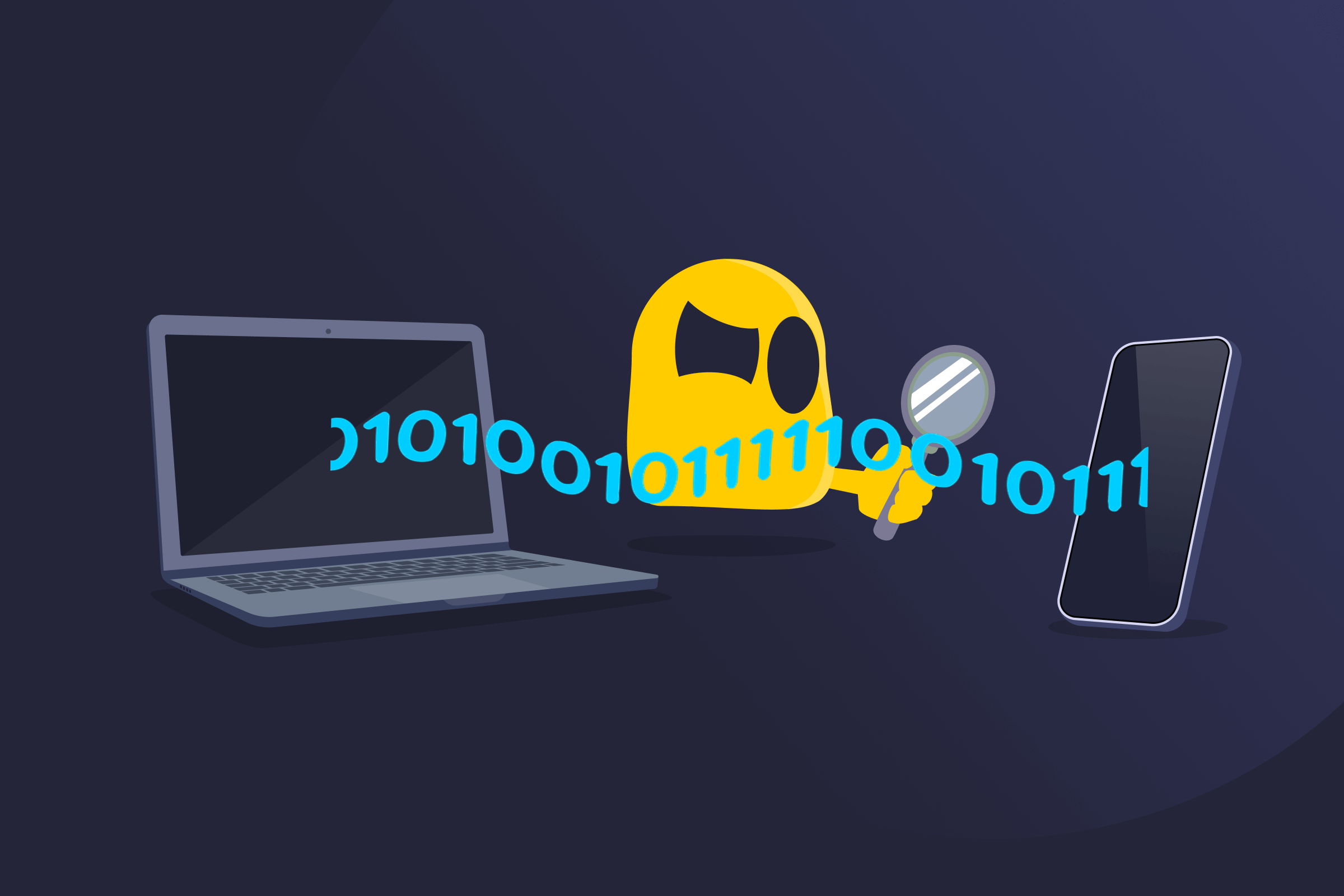
Digital data is information stored and transmitted in a computer-readable, binary format. It’s made of small pieces called bits, written as 0s and 1s, that can represent anything from text and photos to sound and video. Because it’s easy to store, move, and copy without losing quality, digital data powers most of today’s technology, including apps, websites, software, cloud services, and devices.
How Digital Data Works
Digital data turns everyday information, like text, pictures, or sounds, into patterns of 0s and 1s in a process called digitization. Each 0 or 1 represents a tiny electrical signal. When combined, these signals form long strings that computers can read, store, and share.
For example, when sending a photo, the device measures every pixel’s color and brightness and converts these values into numbers. These numbers are bundled into data packets, sent across the internet, and reassembled on the recipient’s device to recreate the photo without losing quality.
Types of Digital Data
- Text: Stores letters, numbers, and symbols using standardized digital code.
- Images: Represents a grid of colored pixels, saved in file formats like PNG and JPEG.
- Audio: Converts sound waves into digital samples stored in formats such as MP3 or WAV.
- Video: Combines images and audio, usually compressed (for example, into MP4) to make streaming easier.
- Metadata: Refers to background details about files, like the creation date, creator, size, and more.
- Executable data: Includes software, apps, and scripts that tell computers what actions to perform.
Common Threats of Digital Data
Digital data, particularly sensitive data containing personal information, faces numerous risks, including:
- Data breaches: Expose personal or financial information when attackers gain unauthorized access to databases or servers.
- Phishing: Tricks people into revealing sensitive data, such as login details or credit card numbers, through fake emails or websites.
- Malware: Steals, damages, or locks digital data using malicious programs, such as viruses, ransomware, and spyware.
- Unsecured networks: Allow attackers to intercept data on public Wi-Fi connections without proper security measures.
- Weak passwords: Enable unauthorized access when simple or reused passwords are used across multiple accounts.
- Accidental exposure: Occurs when sensitive files are shared publicly or stored in unprotected folders by mistake.
Read More
FAQ
Digital data refers to information stored, processed, or transmitted in a digital format. It’s a series of binary digits (0s and 1s) that computers and other devices can interpret. It can represent images, text, videos, or any other type of digital content used on electronic devices.
To users, digital data appears as files, photos, messages, or videos. Behind the scenes, all those types of content are made of bits (0s and 1s). Every piece of data we use today is made up of the same binary code that computers read and convert into visible information.
Digital data is stored in binary form, which consists of a series of 0s and 1s, while analog data is continuous, such as sound waves or light intensity. Digital formats are easier to copy, share, and store without quality loss, which is why most modern systems use them.

 45-Day Money-Back Guarantee