
Internet Security
Internet Security Definition
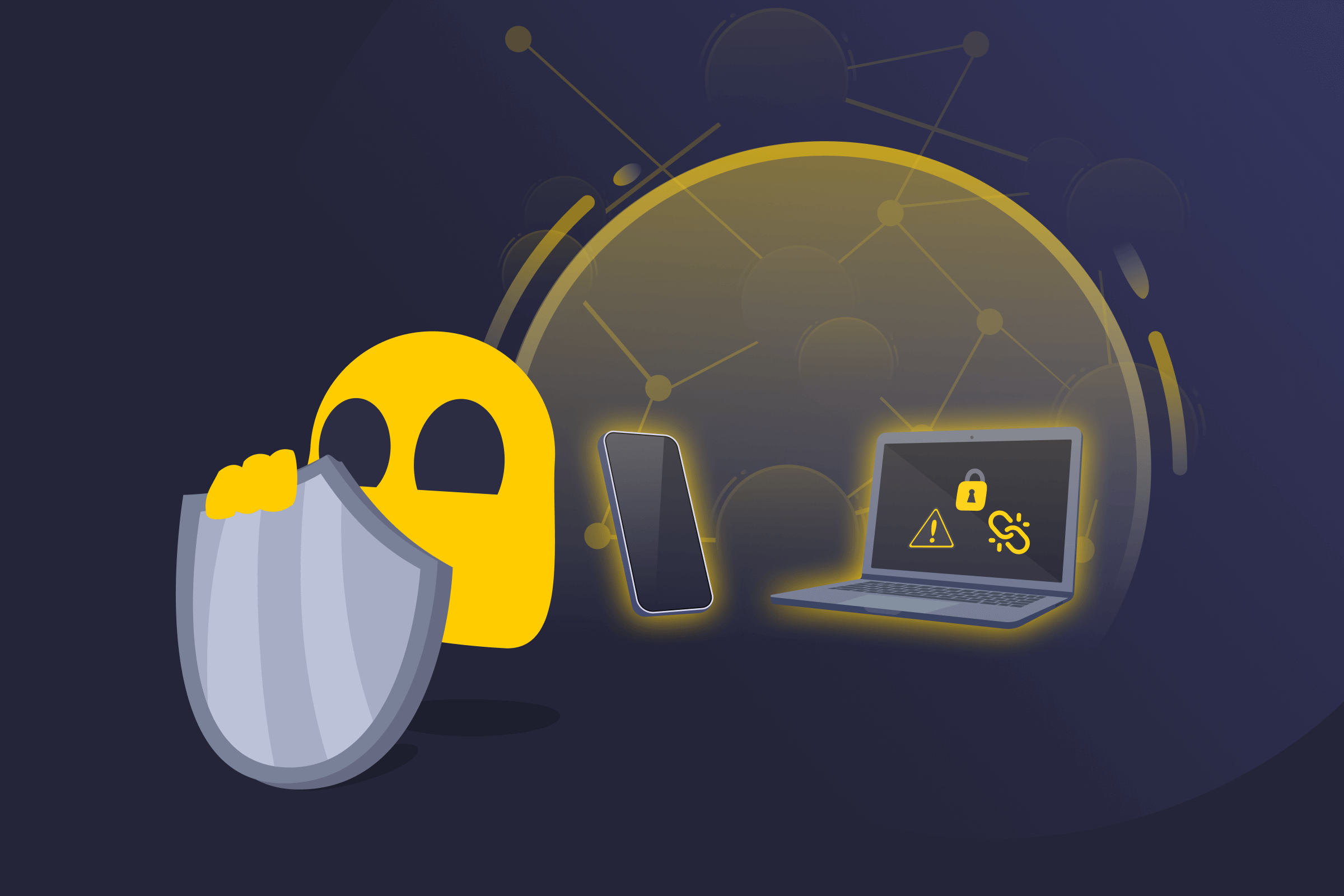
Internet security, or online security, refers to the protection of data and activities that take place over the internet. It focuses on keeping information safe when people browse websites, use apps, send messages, sign in to accounts, or use online services. Internet security applies to everyday online use, not just technical systems. Its goal is to reduce risks that come from using internet-connected services and sharing data online.
How Internet Security Works
Internet security places safeguards around online connections and the data that passes through them. These safeguards help prevent unauthorized parties from viewing, changing, or misusing data in transit.
It also controls access to internet-facing systems. By filtering traffic and limiting who or what can connect, internet security reduces unauthorized access and abuse. Multiple layers of protection are typically used together, so that a weakness in one area don't expose everything else.
Common Internet Security Threats
- Malware: Unwanted software that can spy on activity, damage files, or take control of a device.
- Phishing: Fake messages or websites designed to trick people into sharing passwords, payment details, or personal data.
- Man-in-the-middle attacks: Intercepting or changing data as it moves between a device and a website or service.
- DDoS attacks: Flooding a site or service with traffic until it slows down or stops working.
- Credential theft: Stealing login details to break into online accounts and misuse them.
Common Internet Security Measures
- Encryption: Keeps data private while it travels between devices and websites.
- Firewalls: Block unwanted traffic before it reaches a device or network.
- Antivirus tools: Find and remove harmful software that can cause damage or steal data.
- Strong passwords and extra sign-in steps: Help reduce the risk of account takeover.
- Regular updates: Fix security issues in apps, systems, and devices before they can be abused.
Read More
FAQ
Internet security focuses on risks that come from using the internet. It deals with threats tied to browsing, online accounts, websites, and data shared online. Cybersecurity has a wider scope. It covers all digital systems, including devices, networks, software, and data, even when they aren't connected to the internet.
No. The basic idea is the same, but the level of protection is different. Home internet security focuses on personal devices, home networks, and online accounts. Work internet security covers shared systems, business data, and many users, so it usually includes stronger controls and closer monitoring.
Public Wi-Fi is often risky without internet security tools. Other people on the same network may be able to see or interfere with data. Avoid logging into accounts or sharing personal information on open networks.
 45-Day Money-Back Guarantee